森林里的三个小矮人
导读
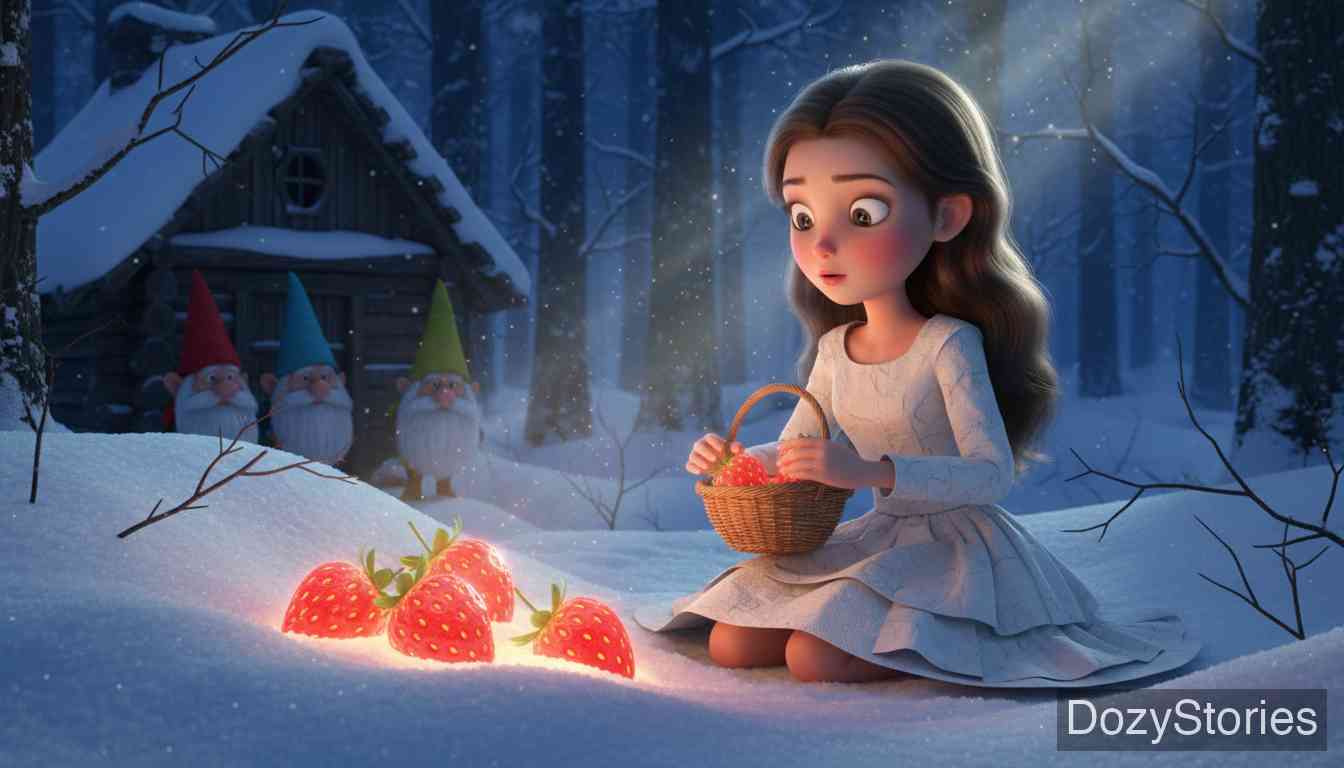
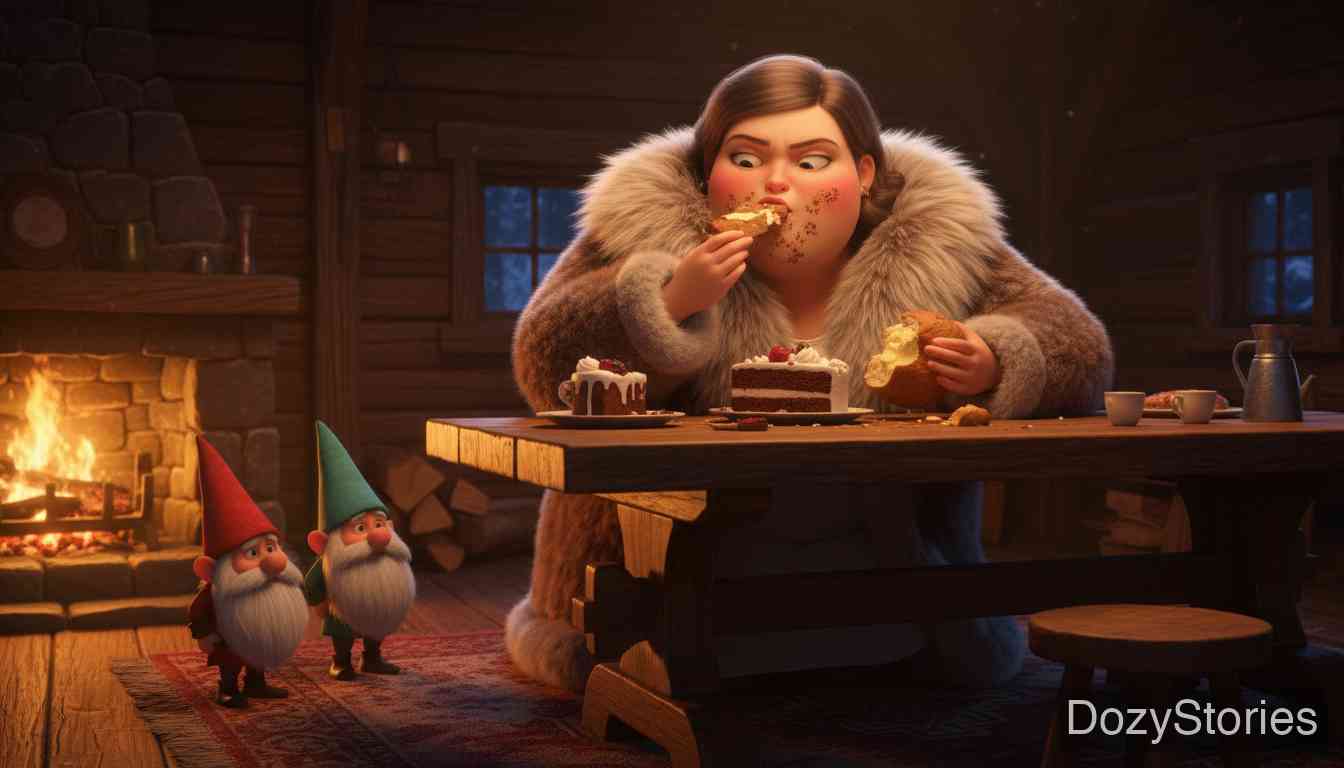
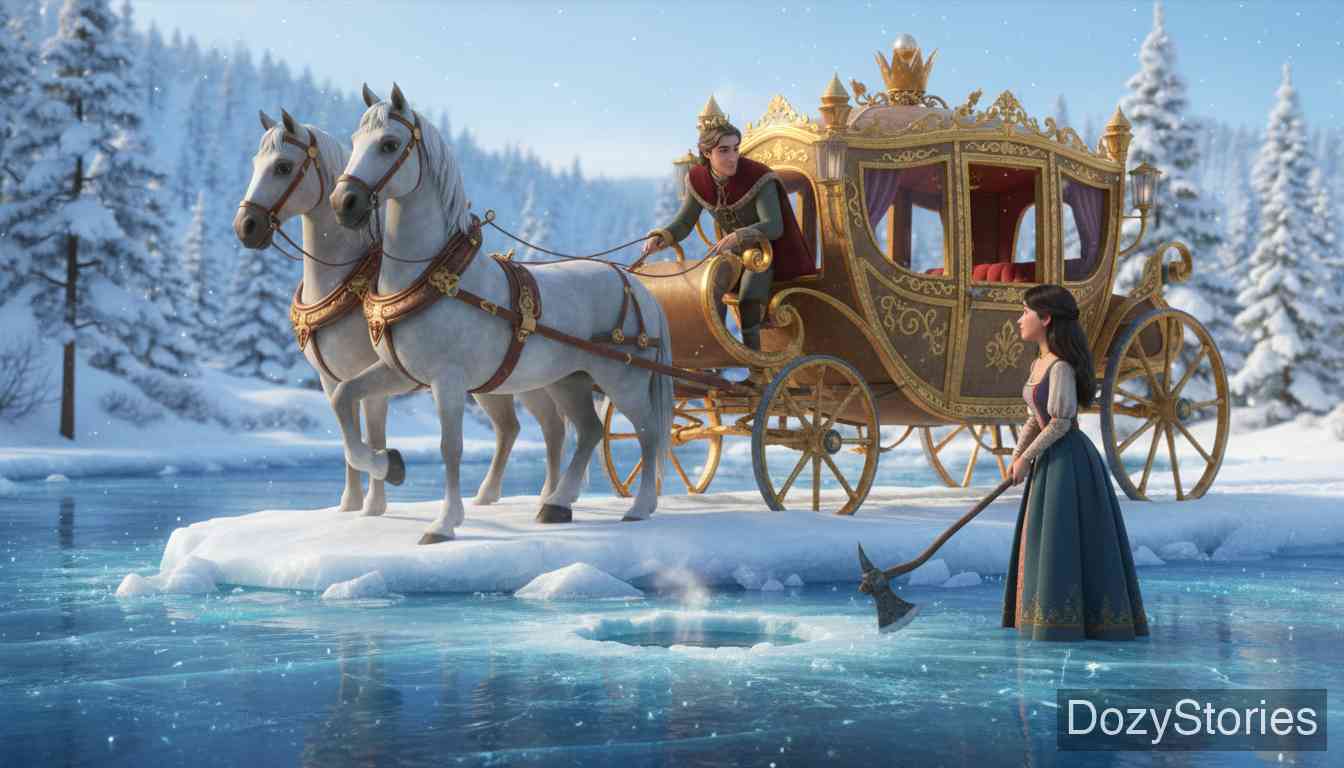
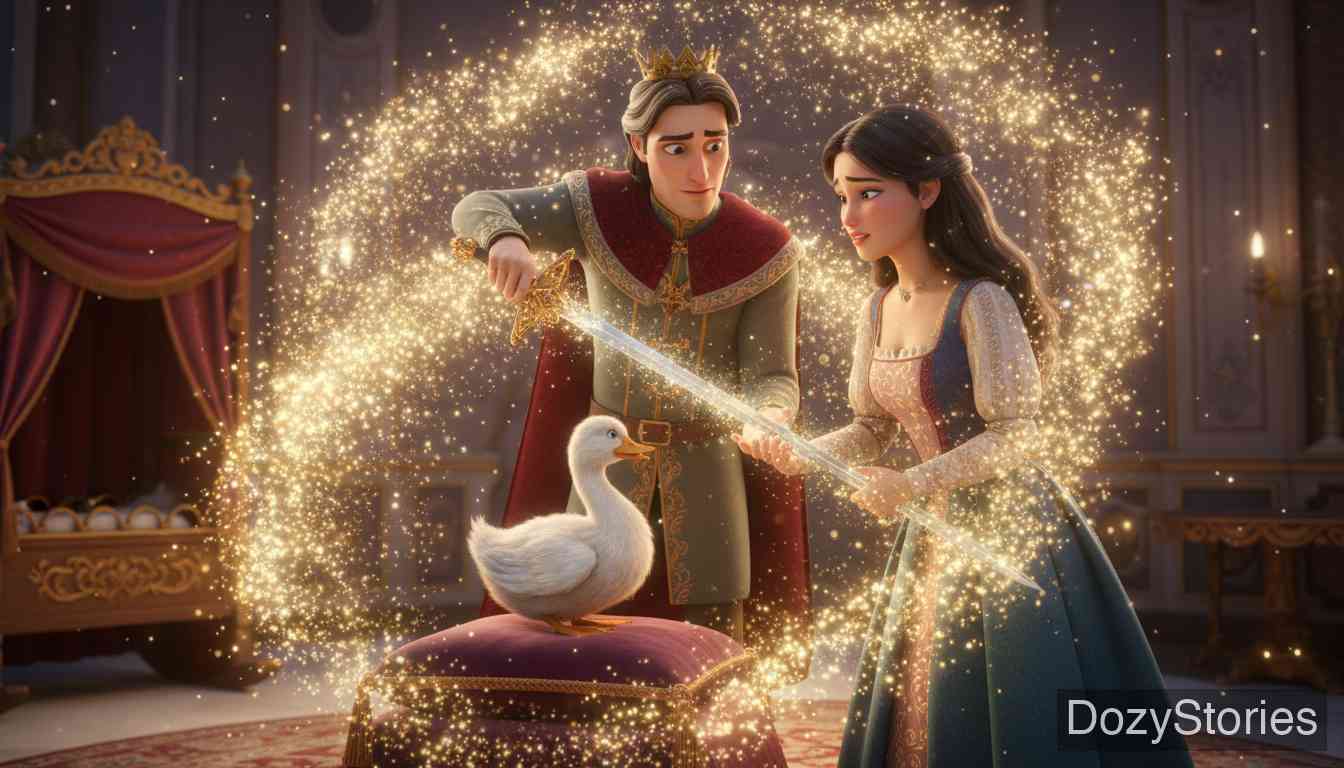
《森林里的三个小矮人》是民间故事里“善有善报、恶有恶报”最典型的样本,属于国际通行的“善良与刻薄的女孩”故事类型(ATU 480)。同一母题在《霍勒大妈》和法国《仙女》中反复出现:善心换来奇遇的奖赏,刻薄招来变形的惩罚。这种以言行定命运的结构,与中国谚语“种瓜得瓜,种豆得豆”不谋而合——三个小矮人就像一面镜子,照出两个女孩各自的心。故事后半段还接入了古老的“王后化鸭”母题:善良的王后被扔进河里,化作鸭子夜夜回来看孩子,直到国王用剑为她解除魔法。结局尤其耐人寻味:国王不点破真相,只问“拖人下水者该当何罪”,恶毒的继母亲口说出刑罚,等于自己给自己判了刑。读这个故事,不妨先让孩子猜一猜:同样的三个小矮人,为什么对两个女孩的态度天差地别?答案不在小矮人身上,而在两个女孩自己心里。
《森林里的三个小矮人》词汇精讲
本故事精选 12 个重点词汇,附中英释义与原文例句,帮助孩子扩展英语词汇量。
The bottom part of a shoe.
鞋底。
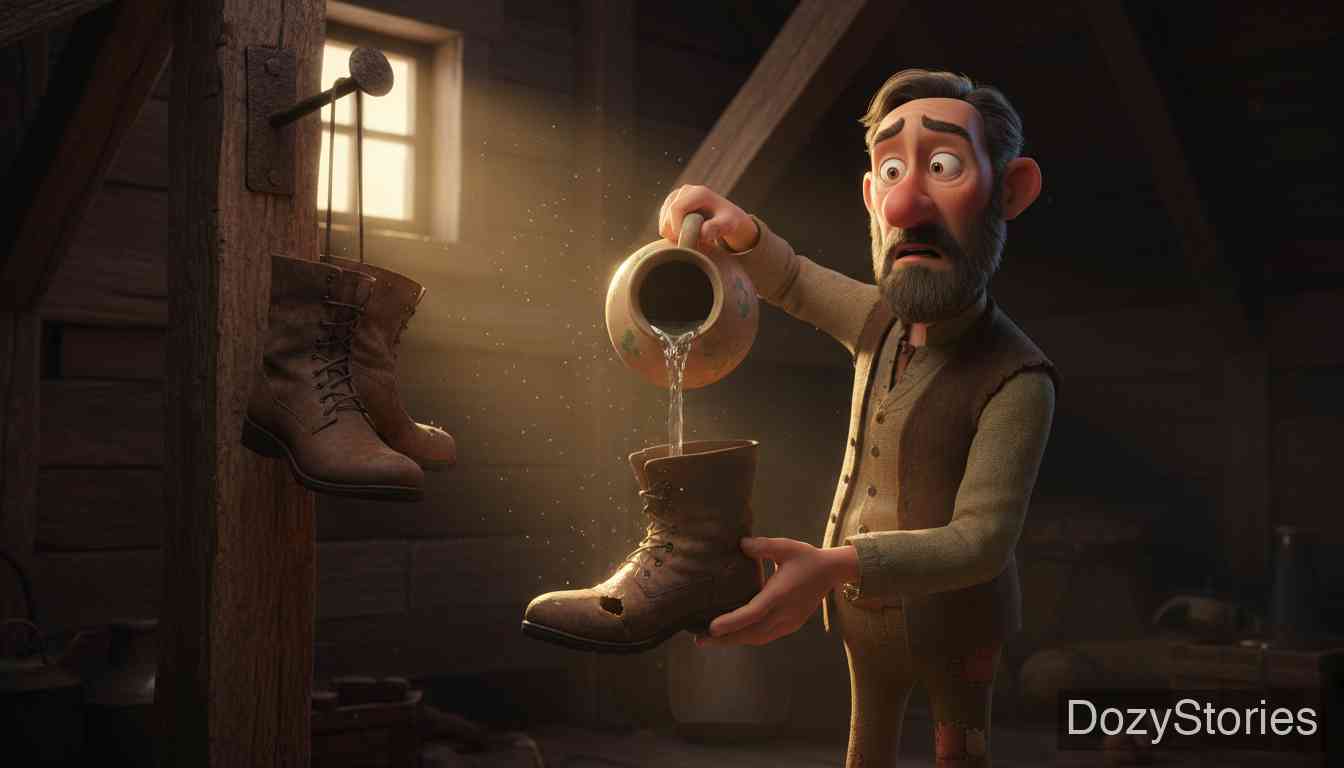
"There is a hole in the sole," he said.
"这靴底有个窟窿,"他说。
A room or space just under the roof.
阁楼;屋顶下的储藏间。
"Hang this boot on the big nail in the loft and pour water into it. If the boot holds the water, I will marry again. If the water runs out, I will not."
"你把它端到阁楼上,挂在那颗大钉子上,往里灌满水。水若存得住,我就再娶;水若漏了,此事便罢。"
Became bigger and softer, like dry leather in water.
(皮子遇水)膨胀、胀大。
The wet leather swelled up and closed the hole, and the boot held every drop.
谁想皮子见了水便发胀,窟窿竟自己合上了,靴子装得满满当当。
Very cold weather that freezes water and covers things with ice.
霜冻;严寒。
Deep winter came, with hard frost and deep snow on every hill.
严冬到了,天寒地冻,山上谷里积着厚雪。
Feeling angry or unhappy because someone else has something good.
嫉妒的;眼红的。
She was jealous, too, for the stepdaughter was kind and pretty, while her own girl was plain and mean.
她又嫉妒,继女生得又和气又标致,自己的女儿却又丑又刻薄。
The unhappy feeling you have when you want what someone else has.
嫉妒;羡慕。
When the stepsister saw the gold, envy filled her heart.
继姐见了满地的金子,又气又妒。
A silent, angry mood.
赌气;生闷气。
The girl looked for strawberries all around, but found not one, so she went home in a sulk.
姑娘在外头寻了半天,一颗草莓也没寻着,只好气鼓鼓地回家。
A small animal like a frog, with dry bumpy skin.
癞蛤蟆;蟾蜍。
The next morning he came again, and when he spoke, his wife answered — but a toad jumped from her mouth at every word, where gold used to fall.
第二天清晨,他又来看妻子;妻子一开口,从前掉金子的地方,如今每说一个字便蹦出一只癞蛤蟆。
Treated something with very hot water.
(用开水)烫。
At last she boiled a pot of water and scalded some yarn in it.
这一日,她烧了一锅滚水,把纱线烫过。
The strip of wood or stone at the bottom of a doorway.
门槛。
"Go to the king and tell him to wave his sword over me three times, right here on the threshold."
"去告诉国王,请他在门槛上拿剑朝我挥三下。"
A small bed for a baby that can be rocked.
摇篮。
"He sleeps in his cradle, safe and still."
"他在摇篮里睡得安安稳稳。"
Feels unhappy about giving something or about others having good things.
吝于给予;见不得别人好。
"She is so rude, so mean and so jealous, and she begrudges everyone everything."
"这人如此无礼,心肠又坏又妒,见不得别人半点好。"
延伸阅读与亲子共读
故事寓意
善有善报,恶有恶报:乐于分享、待人有礼的人,处处遇上贵人;自私刻薄、嫉妒成性的人,终将自食其果。
教育价值
孩子能从善恶两姐妹的鲜明对照中体会分享、礼貌与善意的分量,懂得“种什么因,得什么果”的朴素道理,还能学到一个开口吐金、一个开口吐蛤蟆的生动比喻。
家长共读提示
共读时,请孩子对照两个姑娘在小屋里的言行,说说差别在哪里;再问一问:如果每句话都会变成看得见的东西,你希望它们是什么?最后可以用“吐金”与“吐蛤蟆”的比喻,和孩子聊聊说话的分寸与善意。
和孩子聊一聊
- 两个姑娘进了同一片林子,遇见的是同样三个小矮人,为什么一个开口吐金,一个开口吐蛤蟆?
- 善良的姑娘只有一小块面包,还是分了一半出去。如果你只有一点点吃的,愿意分给别人吗?为什么?
- 小矮人请两个姑娘扫雪,一个高高兴兴去扫,一个骂骂咧咧不肯干。她们后来的遭遇差别这么大,和这件事有关系吗?
- 继母和继妹最后被装进木桶滚进河里,这样的结局公平吗?如果你是国王,会怎么处置她们?
- 如果你说的每句话都会变成看得见的东西,你希望自己的话变成什么?为什么?