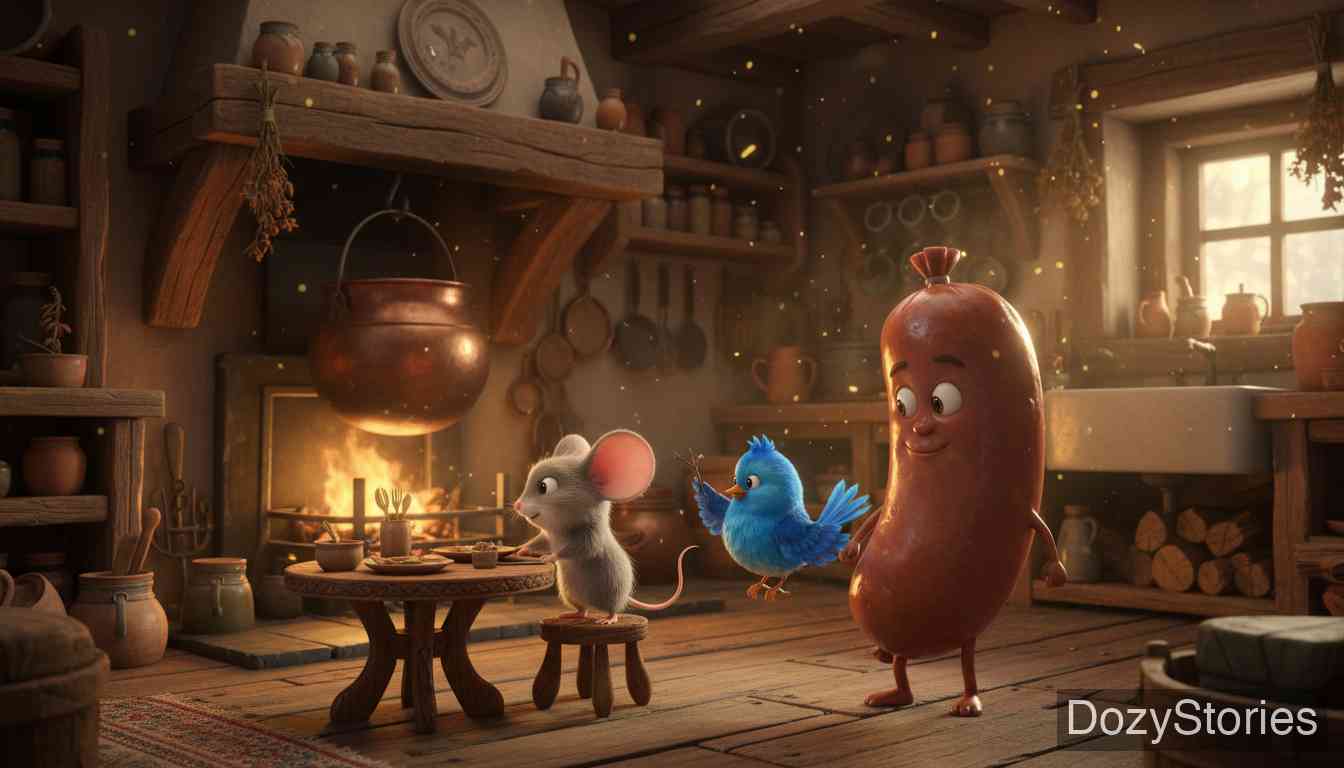
老鼠、小鸟和香肠
导读
《老鼠、小鸟和香肠》收在格林兄弟一八一二年的初版童话集里。与其说它是童话,不如说它更像一则动物寓言:篇幅短小,角色是小生灵,结尾毫不留情。中国孩子读它,会觉得亲切——这不正像老祖宗常说的「人贵有自知之明」吗?中国古代寓言讲究以小见大:一只鸟、一只鼠、一根香肠合伙过日子,各管一摊,本是「各司其职」的活教材;坏就坏在小鸟听了一句闲话,心里生出了眼红。寓言最妙的地方,是它不绕弯子,把结局讲得明明白白——三个伙伴全没了,只留下一堆灰烬。这样的结局,恰是中国寓言爱用的手法:道理不痛,就记不牢。家长共读时,不妨先让孩子猜一猜:小鸟若不听闲话,故事会怎样收场?再对照生活,聊一聊「分工」这件事。愿这则小寓言,让孩子早早懂得:各守本分,方得长久。
《老鼠、小鸟和香肠》词汇精讲
本故事精选 12 个重点词汇,附中英释义与原文例句,帮助孩子扩展英语词汇量。
An amount that is more than enough.
富足;丰裕。
They were fast friends and lived in peace and plenty for many years.
它们是交情深厚的好友,多年来过着安宁富足的日子。
Unable to stay calm or satisfied, because you want a change.
静不下心的;闲不住的。
But a comfortable life can make a heart restless.
可日子过得太舒服,心反而静不下来。
Said good things about something or someone.
称赞;夸耀。
One day the bird met a stranger in the forest, who praised his own easy days and laughed at him.
这一日,小鸟在林中遇见一只陌生的鸟,那鸟夸耀自己清闲的日子,还笑话他。
The unhappy feeling you have when you want what someone else has.
嫉妒;眼红。
The bird listened, and a seed of envy took root in his heart.
小鸟听了,心里便埋下了一颗眼红的种子。
Said firmly that you would not do something.
拒绝;不肯。
The next morning, the bird refused to fly to the woods.
第二天一早,小鸟说什么也不肯再飞进树林。
A person who works in another person's house, doing jobs for them.
仆人;佣人。
'I have been your servant long enough,' he said.
「我给你们当佣人当够了。」它说。
Asked again and again in a sad or worried way.
恳求;苦苦相劝。
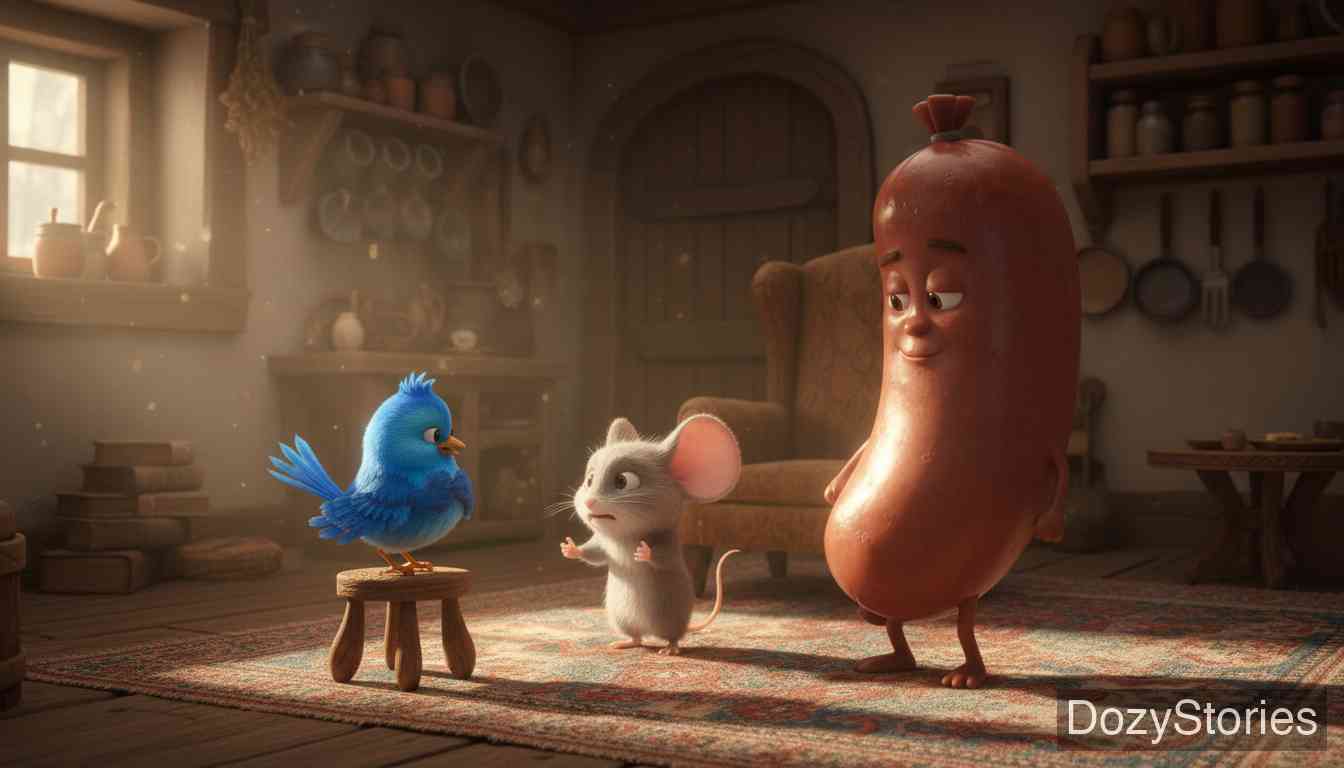
The mouse and the sausage begged him to change his mind, but the bird would not listen.
老鼠和香肠苦苦哀求它回心转意,可小鸟哪里肯听。
Walked slowly with heavy, tired steps.
步履沉重地走。
So the sausage trudged off to the forest, the mouse stood by the stove, and the bird picked up the water bucket.
于是香肠拖着步子走进树林,老鼠站到灶台前,小鸟提起了水桶。
The crime of taking something that belongs to others by force.
抢劫;抢夺。
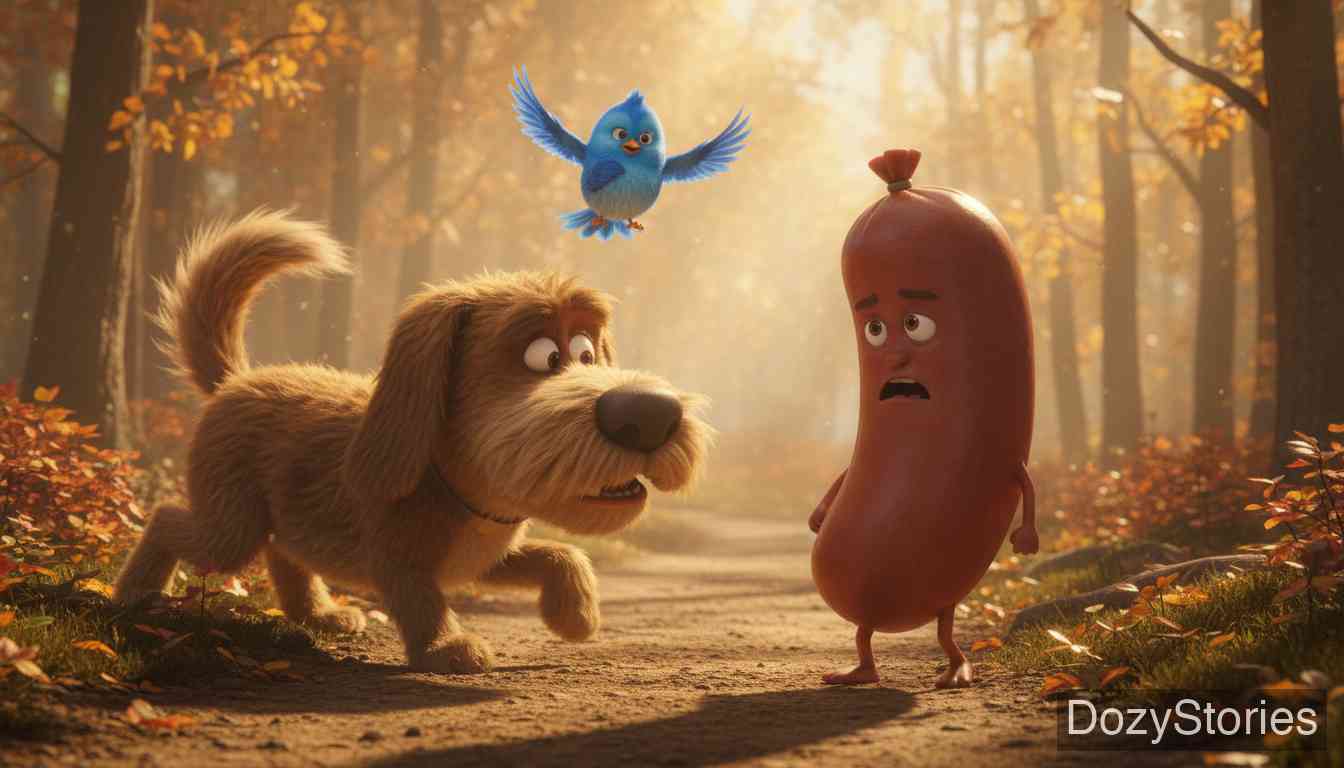
The bird shouted at the dog to stop this robbery.
小鸟高声喝止那条狗,不许它行抢。
Very hot, at the temperature at which water bubbles.
滚开的;沸腾的。
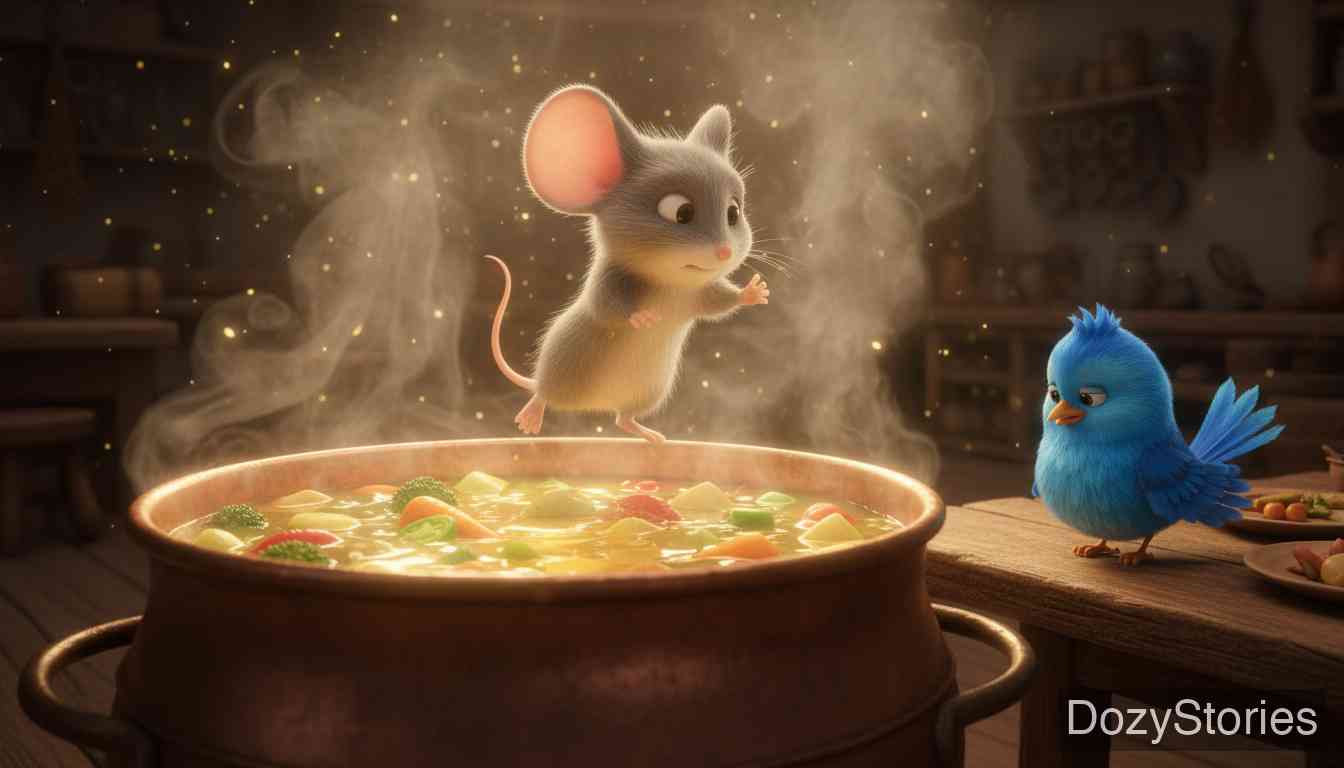
She tried to do the sausage's job and jumped into the boiling pot.
它学着香肠的样子,跳进了滚开的热锅。
Threw things in different directions.
撒开;四处散落。
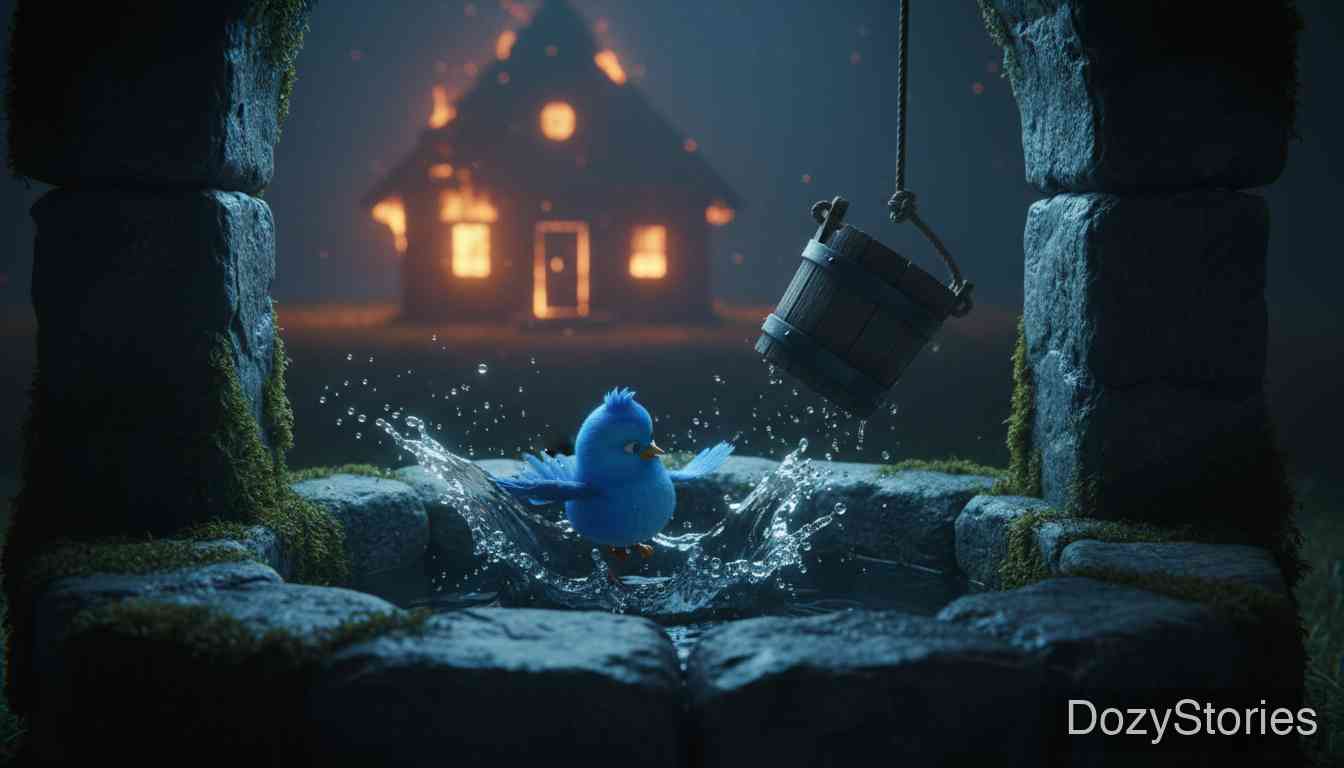
In his hurry he scattered the firewood across the floor.
慌乱之中,它把柴火撒得满地都是。
The grey powder that is left after something has burned.
灰烬;余灰。
So the three friends were all lost, and nothing remained but ashes.
三个朋友全都丢了性命,只剩下了一堆灰烬。
延伸阅读与亲子共读
故事寓意
人贵有自知之明:各司其职,日子才过得长久;眼红别人的活儿,丢了自己的本分,到头来两手空空。
教育价值
让孩子懂得「各司其职」的分工智慧,学会珍惜自己擅长的事,也看清「眼红」与轻信闲话会怎样毁掉好日子。
家长共读提示
读完后可以问问孩子:小鸟听信闲话之前,一家人的日子是不是很好?再请孩子说说自己有什么特别擅长的事,家里每个人又各管什么。
和孩子聊一聊
- 三个伙伴本来各管一摊,日子过得和和美美。是谁让小鸟忽然觉得自己吃了亏?几句闲话为什么这么厉害?
- 老鼠和香肠都劝过小鸟,可小鸟为什么还是不听?你觉得一家之主做决定之前,应该先想想什么?
- 每个伙伴都有自己最擅长的事。为什么一调换差事,就一个接一个地出事?
- 寓言为什么非要让三个伙伴都失去性命?换成大团圆结局,道理还一样清楚吗?
- 如果你和朋友一起做事,觉得自己干得比谁都多,你会怎么办?