虱子和跳蚤
导读
《虱子和跳蚤》是格林童话第 30 篇,一则地地道道的“连锁故事”(德语叫 Kettenmärchen,也叫累积故事)。这类故事的规矩最是有趣:一件小事引出下一件,每个新角色出场,都要把前面发生的事从头到尾背一遍,再添上自己这一环,那张“清单”便像滚雪球一样越滚越长——它最好笑、也最好记的秘诀,全在这里。把它改写成中国寓言体,是因为它天生就带着民间故事的筋骨:短小、热闹、一环扣一环,正合“一传十,十传百”“牵一发而动全身”的老话,也让人想起“城门失火,殃及池鱼”——火在城门烧着,池里的鱼也跟着遭殃,正如虱子一点小伤,最后竟淹了满世界。读的时候,不妨全家接力,看谁能一口气把那张越来越长的清单背到底;笑完之后,再和孩子说说:遇到芝麻大的小事,是学门“吱呀”一声,还是先停下来想一想?


《虱子和跳蚤》词汇精讲
本故事精选 12 个重点词汇,附中英释义与原文例句,帮助孩子扩展英语词汇量。
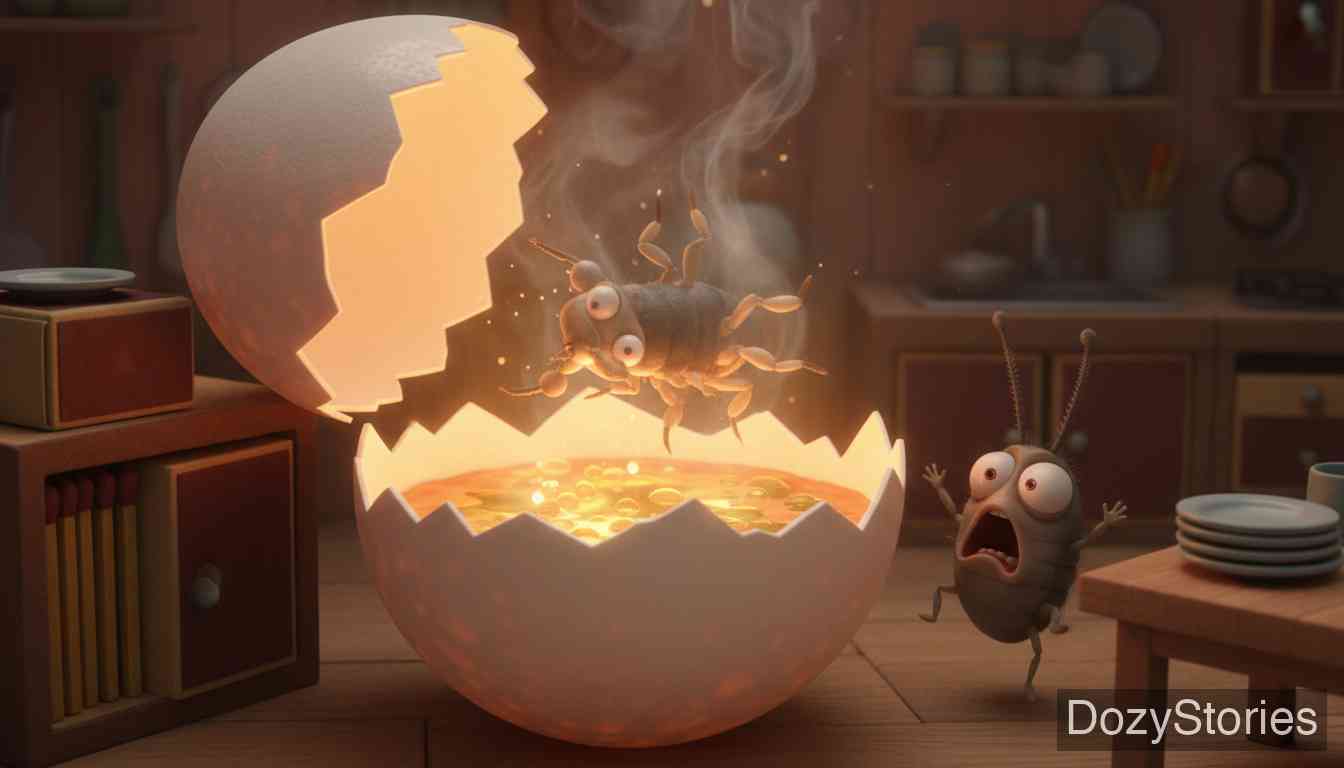
Made beer, or made a drink like tea by soaking things in hot water.
酿造(啤酒);煮(茶)。
One day they brewed beer in an eggshell.
这一日,她们用半个蛋壳酿啤酒。
Burned with very hot liquid or steam.
被滚烫的液体或蒸汽烫伤。
She scalded herself and let out a cry.
虱子探头去看酒滚了没有,脚下一滑,扑通一声栽进滚烫的酒里,把自己烫伤了。
To make a long, sharp noise, like an old door.
吱呀作响(旧门发出的声音)。
"Then I shall creak," said the door, and it creaked away.
“那我就吱呀作响吧,”门说着,果真吱呀吱呀响了起来。
Crying, usually with soft tears.
哭泣;流泪。
"The louse has scalded herself, and the flea is weeping."
“虱子烫伤了,跳蚤哭个不停呢。”
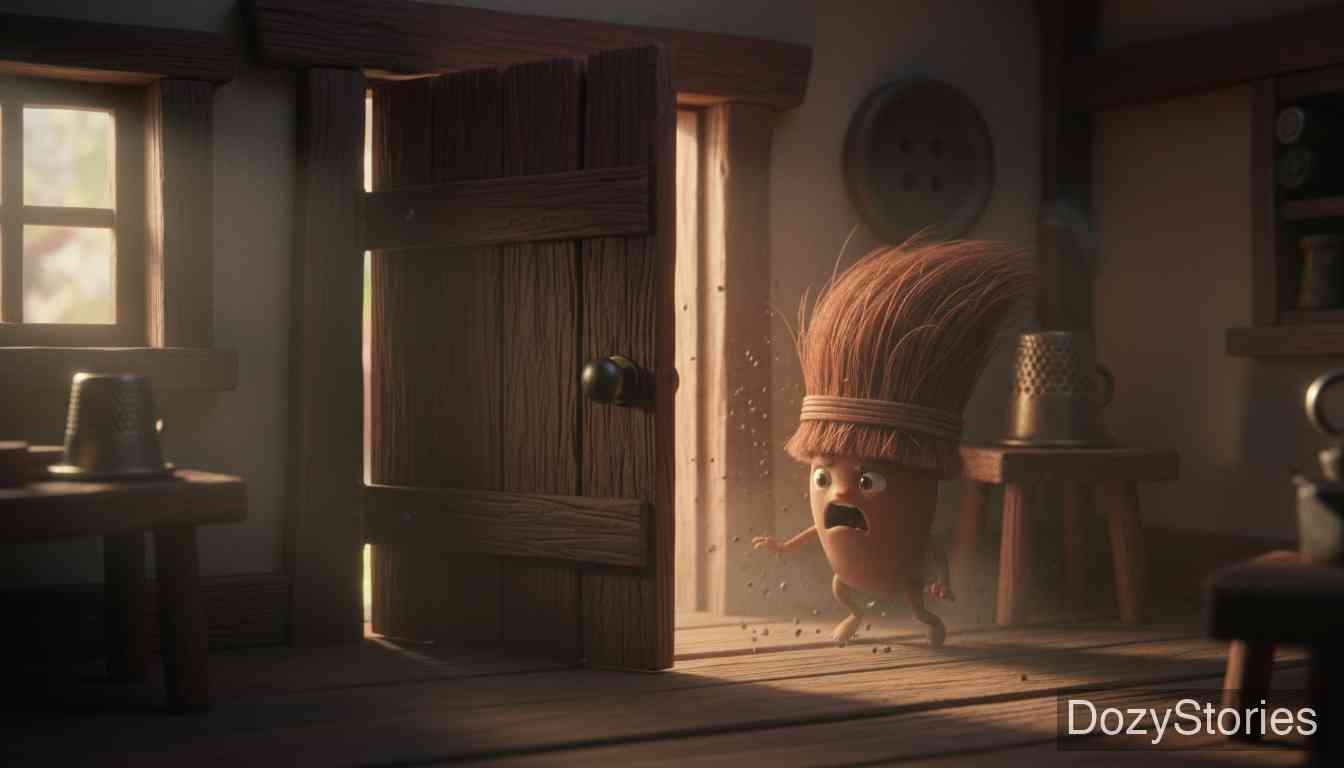
Cleaning a floor with a brush.
扫地;清扫。
"The louse has scalded herself, the flea is weeping, the door is creaking, and the broom is sweeping."
“虱子烫伤了,跳蚤哭个不停,这会儿门还吱呀作响呢。”
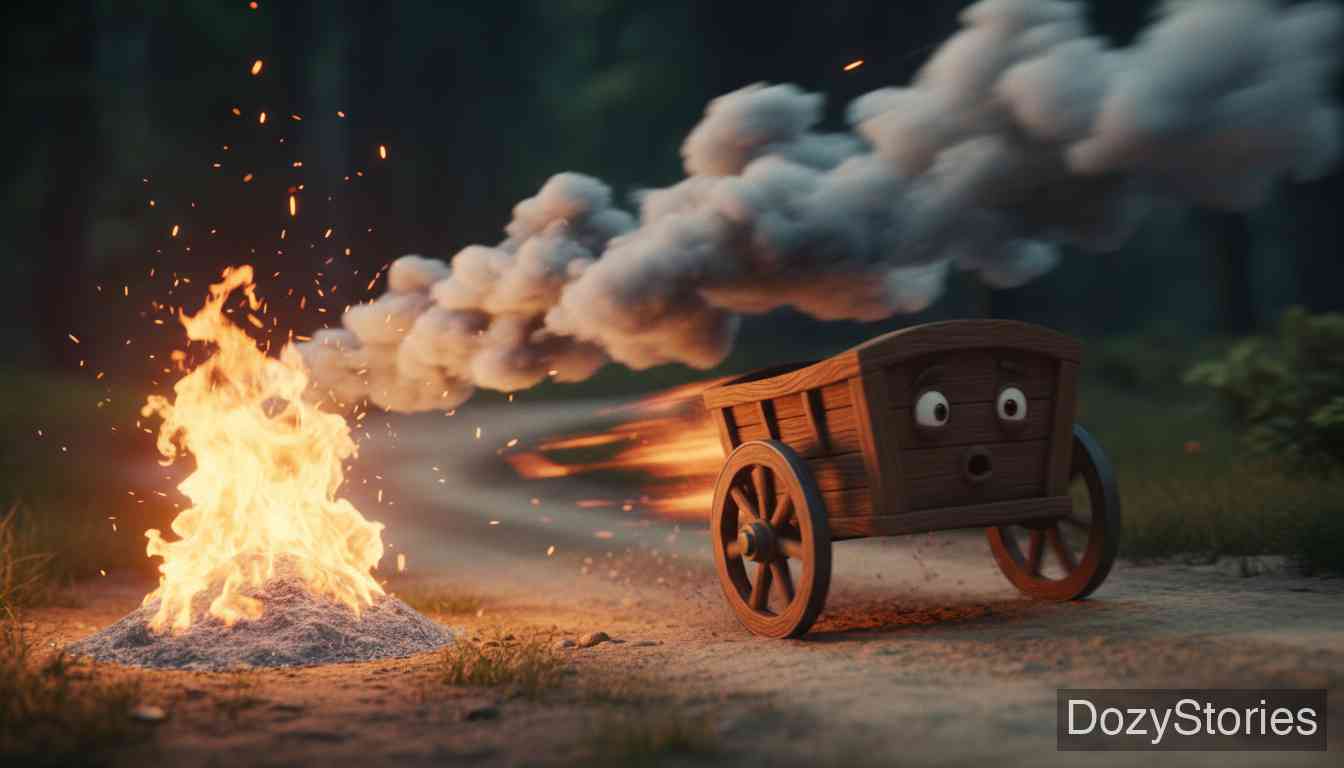
Moving very fast, as if in a race.
飞奔;疾驰。
"The louse has scalded herself, the flea is weeping, the door is creaking, the broom is sweeping, and the cart is racing away."
“虱子烫伤了,跳蚤哭个不停,门吱呀作响,扫帚扫个没完,小车跑得飞快。”
To start doing something suddenly, with great force.
猛地(燃起);突然爆发。
"Then I shall burn," said the heap of ashes, and it burst into bright flames that rose high into the air.
“那我便烧起来吧,”灰堆说着,腾地燃起熊熊大火,火苗窜得老高。
Moved quickly from side to side.
摇动;抖动(shake 的过去式)。
"Then I shall shake myself," said the tree, and it shook until every leaf fell to the ground.
“那我便抖一抖吧,”小树说着,抖得满树叶子簌簌落了一地。
A container with a handle, used for carrying water.
水罐;水壶。
A girl came by with a water jug, saw the bare tree, and asked, "Little tree, why do you shake?"
一个姑娘提着水罐路过,见了光秃秃的小树,问道:“小树呀,你抖什么?”
Broke something into pieces with force.
用力砸碎;打碎。
"Then I shall break my jug," said the girl, and she smashed it on the ground.
“那我便摔了这水罐吧,”姑娘说着,把罐子往地上一摔。
A place where water comes up out of the ground.
泉;泉眼。
The little spring that gave the water asked her, "Girl, why have you broken your jug?"
那眼供水的小泉问道:“姑娘,你摔罐子做什么?”
To move along smoothly, like water.
流动;奔涌(水流)。
"Oho," said the spring, "then I shall flow."
“哦嗬,”泉水说,“那我便流吧。”
延伸阅读与亲子共读
故事寓意
一点小事,一传十,十传百,就能闹出天大的乱子。遇事莫要慌张,小题大做,只会把事越闹越大。
教育价值
这是认识“连锁故事”(也叫“累积故事”)的绝好范本:每个角色都把前面发生的事从头背一遍,再添上自己这一环,句子像滚雪球一样越滚越长,最练孩子的记忆与语感。笑过之后,孩子也会明白:小事经不起一件件放大,遇事要镇定,别把慌张传给旁人。
家长共读提示
这一篇短小、重复、朗朗上口,最适合全家接力朗读:大人一句、孩子一句,看谁能一口气把越来越长的“清单”背到底。结尾“大水淹了一切”是这类古老累积故事的老规矩,像一句夸张的玩笑话,不必当真,笑着念过即可。读完后不妨问孩子:要是你是泉水,听说了这件事,你会跟着流吗?
和孩子聊一聊
- 整场大水,起因只是一只虱子烫伤了自己。你觉得这场乱子该怪谁?是怪虱子,还是怪每一个“我怎么不能……”的家伙?
- 门觉得“我怎么不能响”,扫帚觉得“我怎么不能扫”——它们好像都觉得自己的反应天经地义。你身边有没有这样的人或事,把小事越闹越大?
- 每个角色都在“传话”,把前面的清单越背越长。如果由你添上一环,下一个出场的会是谁?它会做出什么夸张的反应?
- 假如你是那眼泉水,听姑娘讲完长长的理由,你会“流”还是“不流”?为什么?
- 从头到尾,没有一个角色停下来想一想。你觉得“停下来想一想”难不难?什么时候最该停下来?