幸运的汉斯
导读
《幸运的汉斯》在格林童话里是个异数:没有魔法,没有巫婆,没有坏人,只有一个憨厚的小伙子在回家的路上,把一块金子越换越小,最后两手空空地跑回了家。这样的故事,正适合用寓言的方式重讲。寓言贵在"以小见大":篇幅短,人物简单,可字字都朝着一个道理使劲。汉斯一路上的每一次交换,都像寓言里的一个逗号,最后落在"知足常乐"这个句号上。这让人想起"塞翁失马":丢了马未必是祸,得了马未必是福,福祸本在一念之间。汉斯丢了全部家当,却觉得自己最有福气,这份"失而复得的轻松",许多大人一辈子都没想明白。带孩子读时,不必急着告诉他汉斯是傻还是聪明,先问:"为什么他每一次交换都更开心?"让孩子自己想想:究竟是金子压身,还是心无挂碍,才睡得安稳。二百年来,有人笑他糊涂,有人说他通透,没有标准答案,正是它耐读的地方。
《幸运的汉斯》词汇精讲
本故事精选 12 个重点词汇,附中英释义与原文例句,帮助孩子扩展英语词汇量。
Money that you are paid for your work.
工钱;工资。
Give me my wages, and I will go home to my mother.
请把工钱结给我吧,我要回家看望年迈的母亲。
In a loyal and honest way, without cheating.
忠实地;诚心诚意地。
"You have served me faithfully for seven years, so your reward will be a good one."
"你伺候我七年,忠厚老实,工钱自然不能亏待你。"
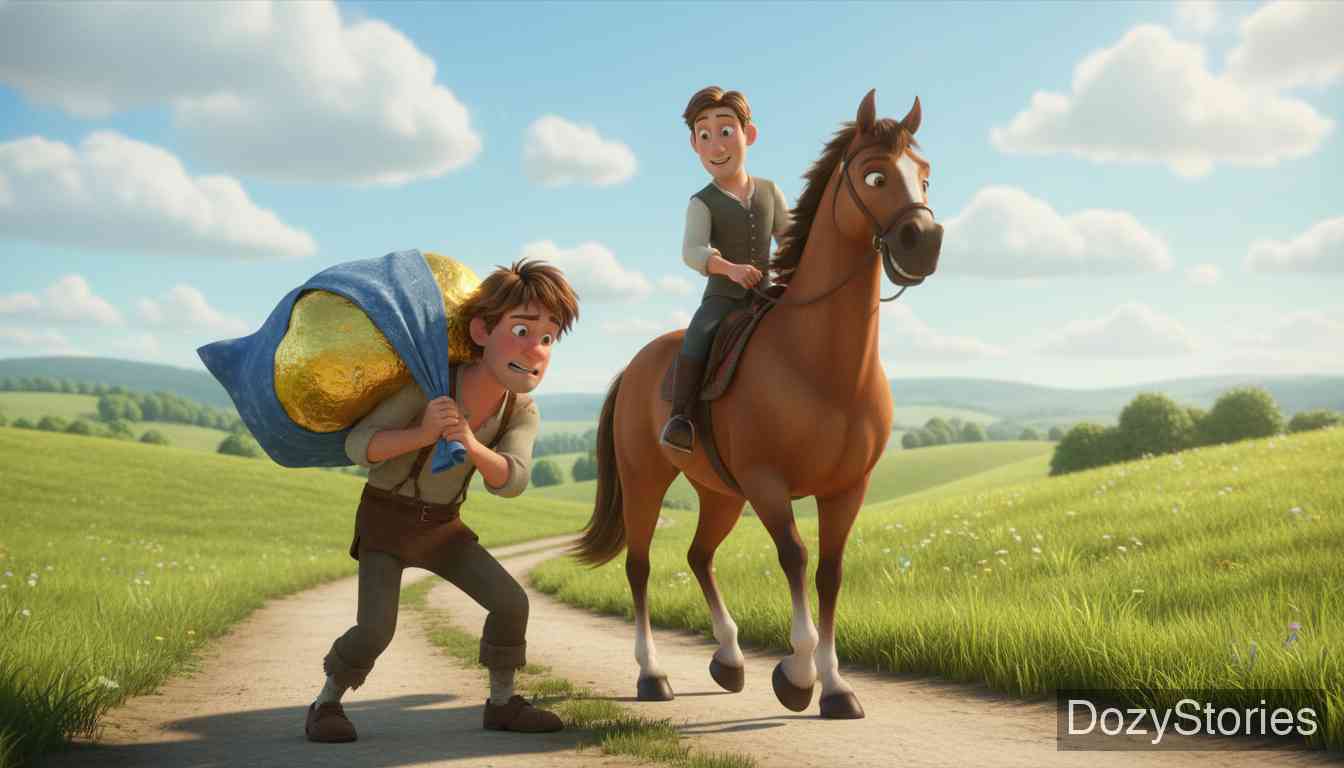
A solid piece of something, without a clear shape.
(无定形的)一大块。
He gave Hans a lump of gold as big as his head.
他递给汉斯一块跟脑袋一般大的金子。
The straps you hold to guide and control a horse.
缰绳。
He helped Hans onto the horse and put the reins firmly into his hands.
他扶汉斯上了马背,把缰绳牢牢塞进他手里。
A long, narrow hole dug beside a road or field.
沟;路边的沟。
Hans shook left and right, lost his balance, and fell into a ditch beside the road.
汉斯在马上东摇西晃,坐也坐不稳,一个跟头摔进了路边的沟里。
Very pleased and happy about something.
非常高兴的;欣喜的。
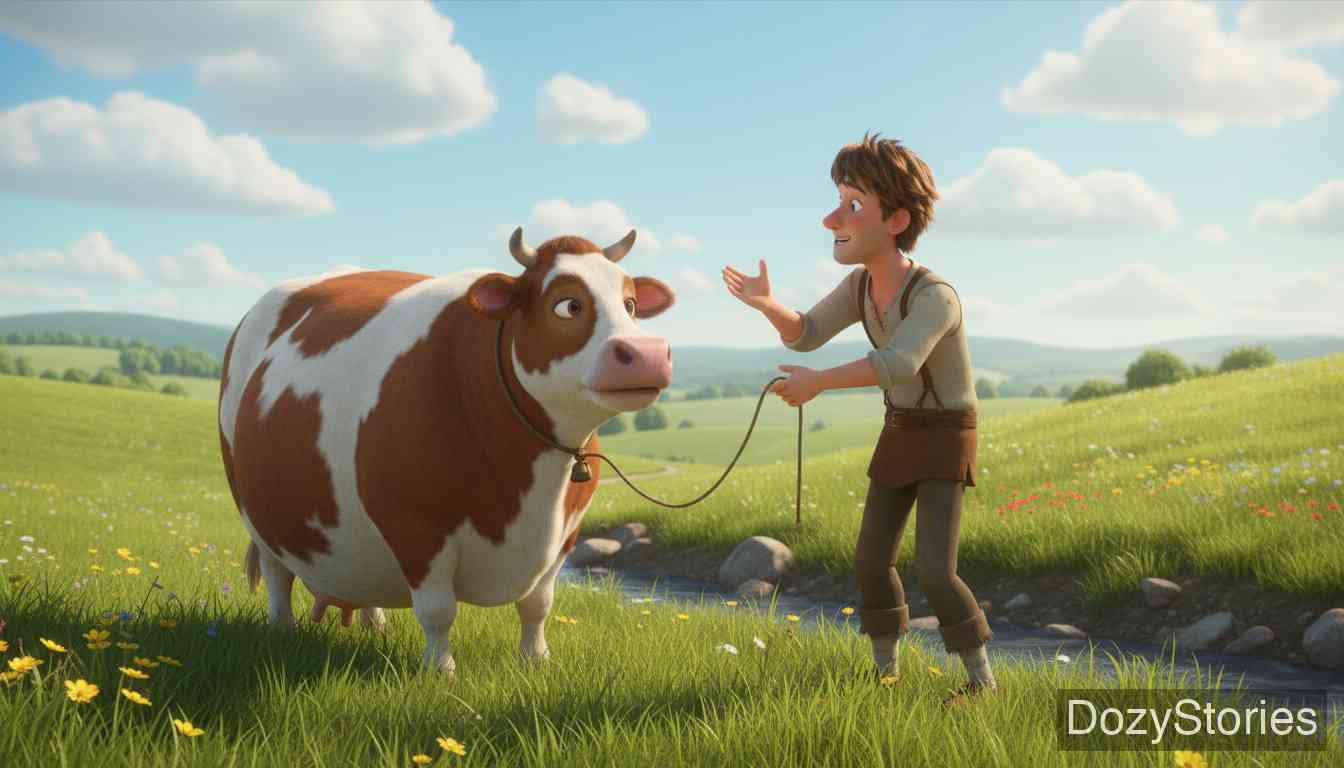
Hans was delighted, and the farmer rode away on the horse as fast as he could.
汉斯喜出望外,农夫翻身上马,一溜烟跑远了。
A person whose job is to cut up and sell meat.
屠夫;卖肉的人。
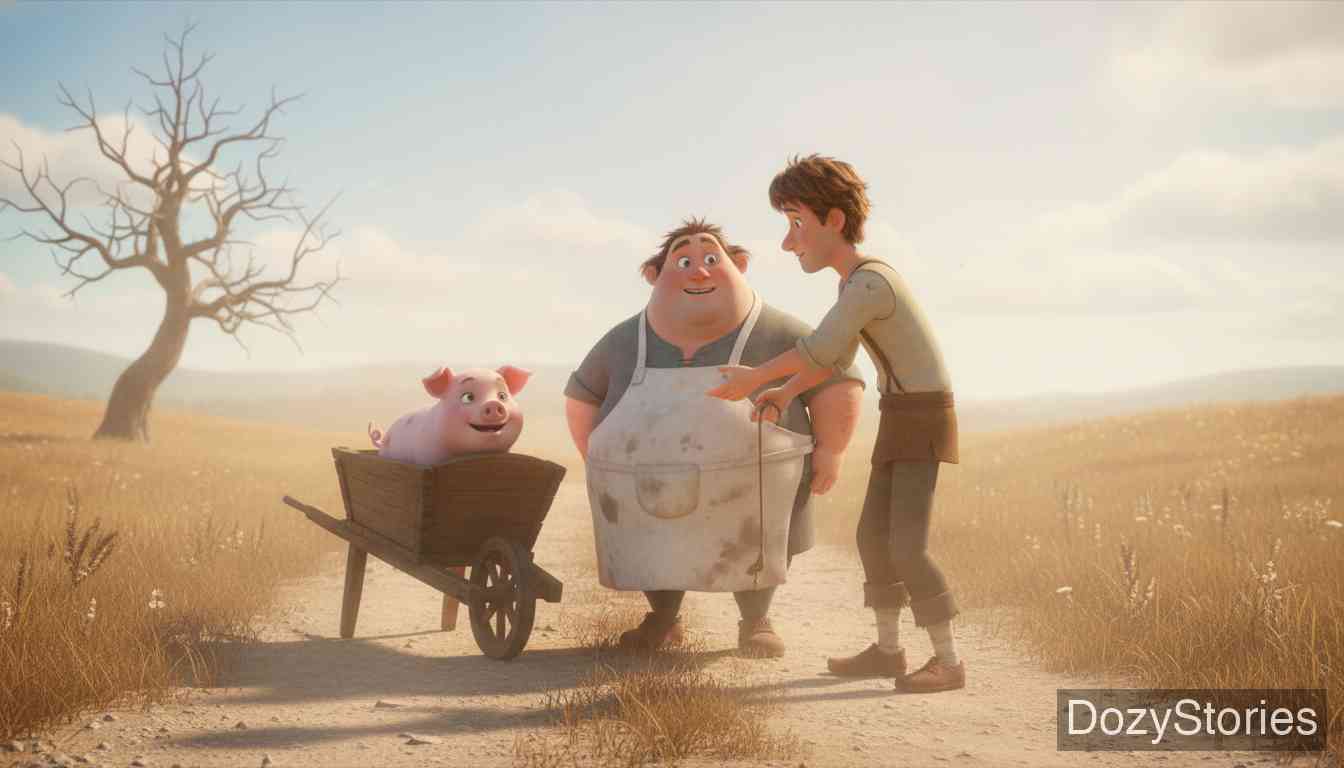
Luckily, a butcher came along the road just then, pushing a wheelbarrow with a young pig in it.
也是他命不该绝。这时,一个屠夫推着独轮车路过,车上躺着一头小猪。
A large, special meal for many people.
盛宴;宴席。
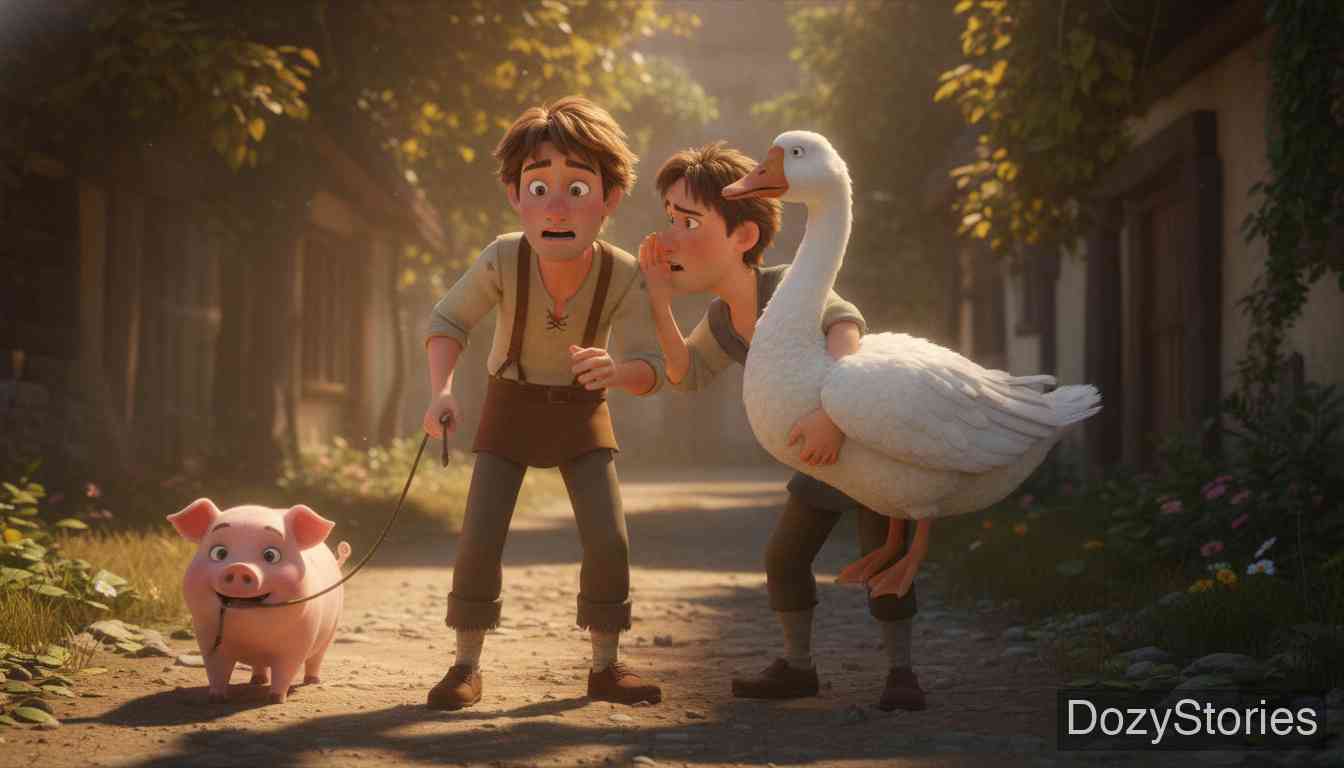
The young man said he was taking the goose to a feast.
小伙子说,他正要送这鹅去赴宴。
In a way that shows you do not trust someone or something.
怀疑地;疑神疑鬼地。
Then the young man looked around suspiciously and shook his head.
说着,小伙子东张西望,压低声音道。
A round stone that turns to sharpen knives and tools.
磨石;砂轮。
Nothing is needed for it but a grindstone; the rest follows by itself.
这行当别的都不要,只要一块磨石,其余自然就有了。
A heavy load, or something that makes you worried or tired.
重负;负担。
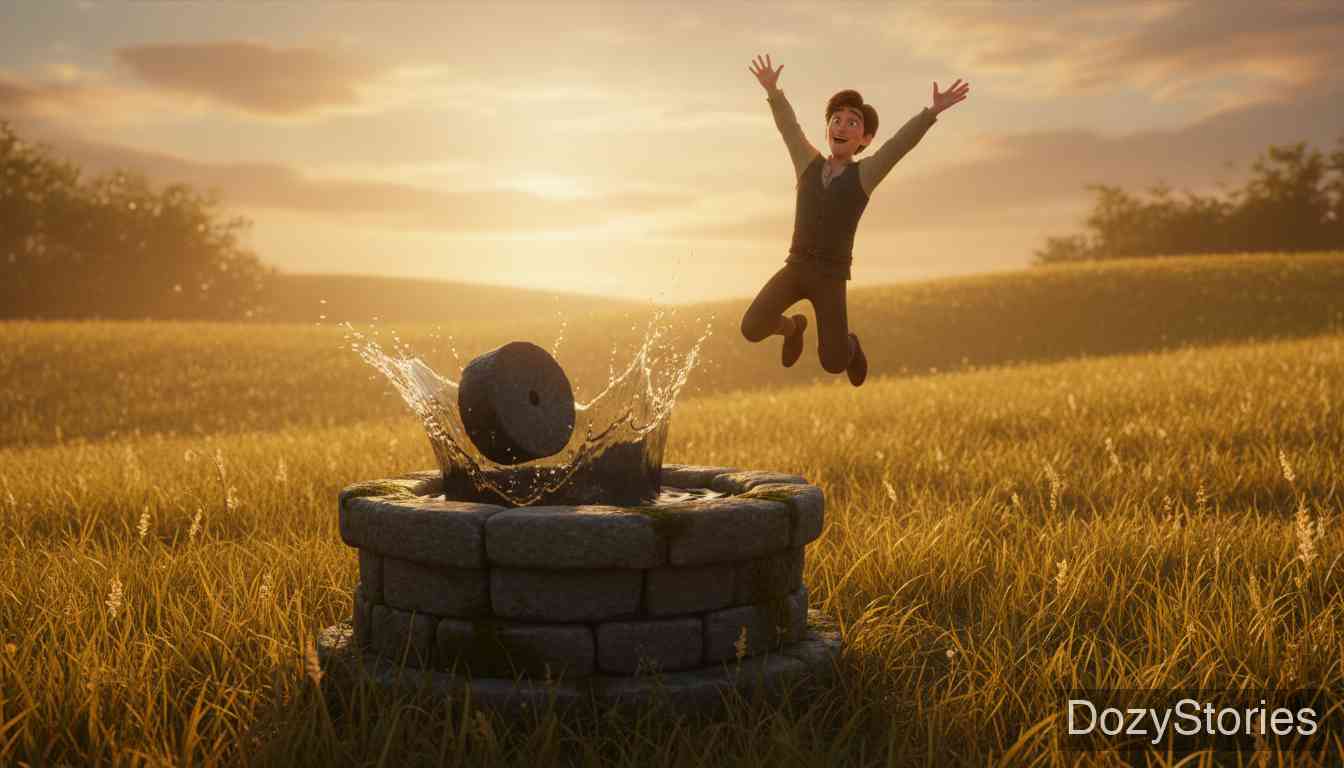
He was very tired, and the stones were a heavy burden.
他累得够呛,两块石头更是沉甸甸的负担。
Happy and satisfied with what you have.
心满意足的;知足的。
Hans walked home with the goose under his arm, contented and light of heart.
汉斯夹着鹅往家走,心满意足,浑身轻快。
延伸阅读与亲子共读
故事寓意
知足常乐,放下即是福。背着重担的人,怀里纵有金山也不快活;两手空空而心无牵挂的人,走到哪里都是好日子。
教育价值
让孩子明白"拥有"与"快乐"不是一回事,懂得量力而行、知足惜福;同时练习有条理地复述一连串"交换",锻炼记忆力与叙事逻辑。
家长共读提示
读完不妨问问孩子:汉斯是精明还是糊涂?先别急着下结论,让孩子说出自己的理由。还可以玩个小游戏:拿几件小物件和孩子来回"交换",看看他心里舍不舍得。
和孩子聊一聊
- 汉斯每换一次,东西就小一号,可他每次都更开心。你觉得他是傻,还是想得开?
- 如果汉斯把金子一路扛回了家,他会有现在这么快乐吗?
- 假如你有一块跟脑袋一样大的金子,你会用它做什么?
- "拥有很多"和"心里快乐"是同一回事吗?举一件你自己的小事说说。
- 汉斯最后说,丢了石头反而像捡了宝。你有没有"放下什么"之后反而更轻松的经历?