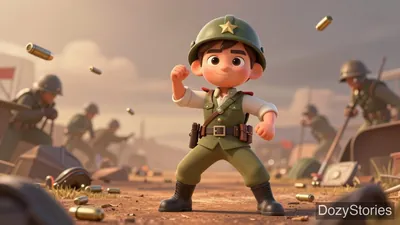
傻汉斯
导读
《傻汉斯》本是格林童话第 32 篇,德文原题《聪明的汉斯》——这名字是一句反话,作者越夸他聪明,读者越见他犯傻。我们这次把它改写成中国寓言体:删去绕弯的铺陈,让每场戏只讲一件糊涂事,对话短到一句话就能说完。这样一改,故事反倒更像我们熟悉的成语故事了——汉斯犯的错,和“刻舟求剑”里在船上刻记号找剑的楚人、“守株待兔”里守着树桩等兔子的宋人,是同一个毛病:规矩记得牢牢的,却不肯抬头看看眼前这件事早已变了。寓言体最看重结尾那句点题的话,所以我们让汉斯的故事在笑声过后轻轻说一句:背得下规矩不算聪明,看得清事情才算本事。读的时候,可以让孩子先猜一猜汉斯下一回会把妈妈的话怎么用错,笑过之后,再问一句——要是换了你,你会怎么办?
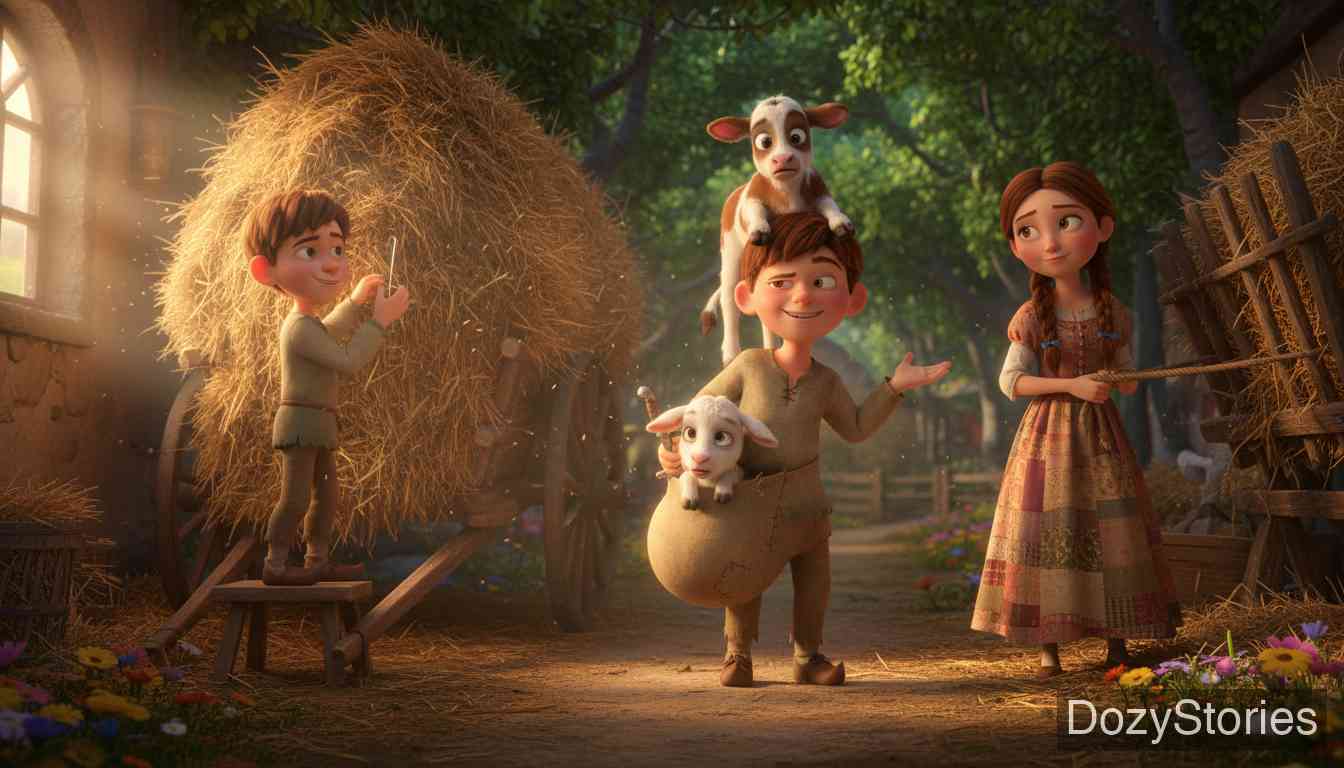
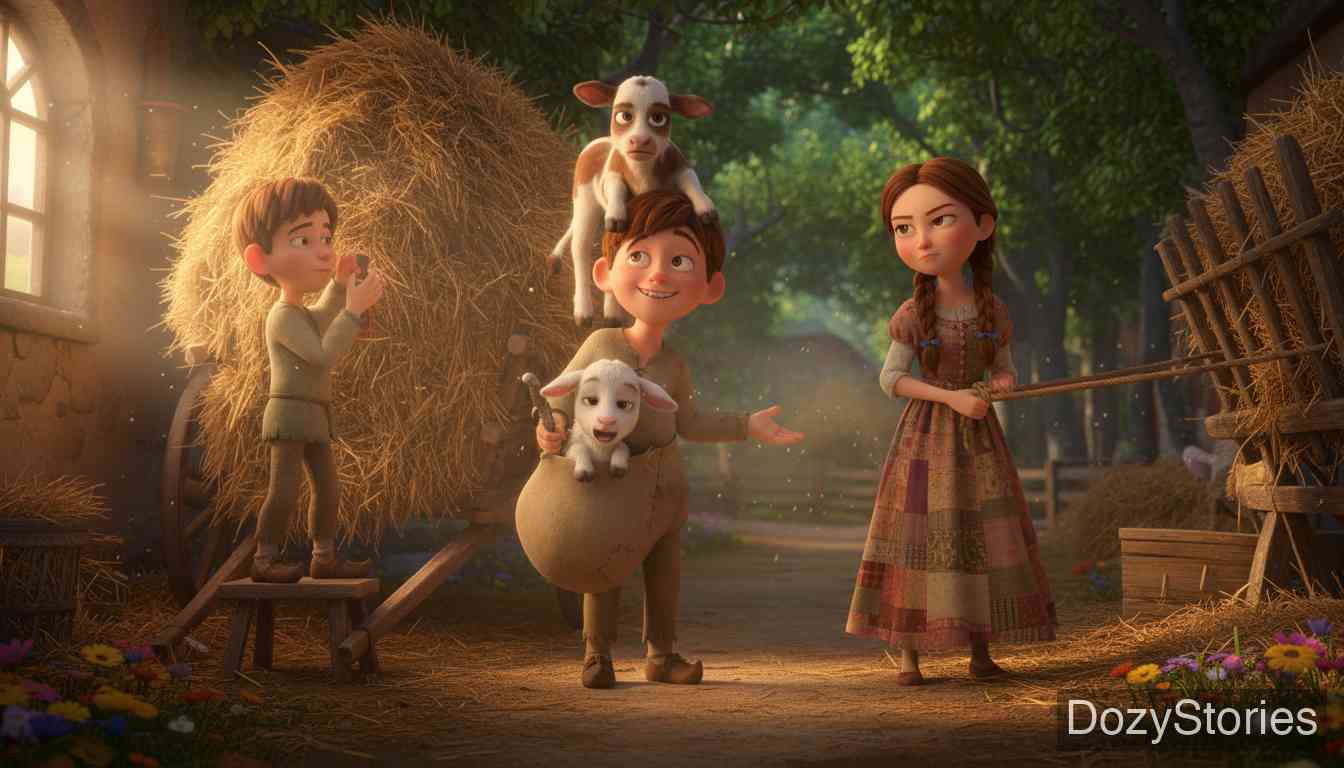
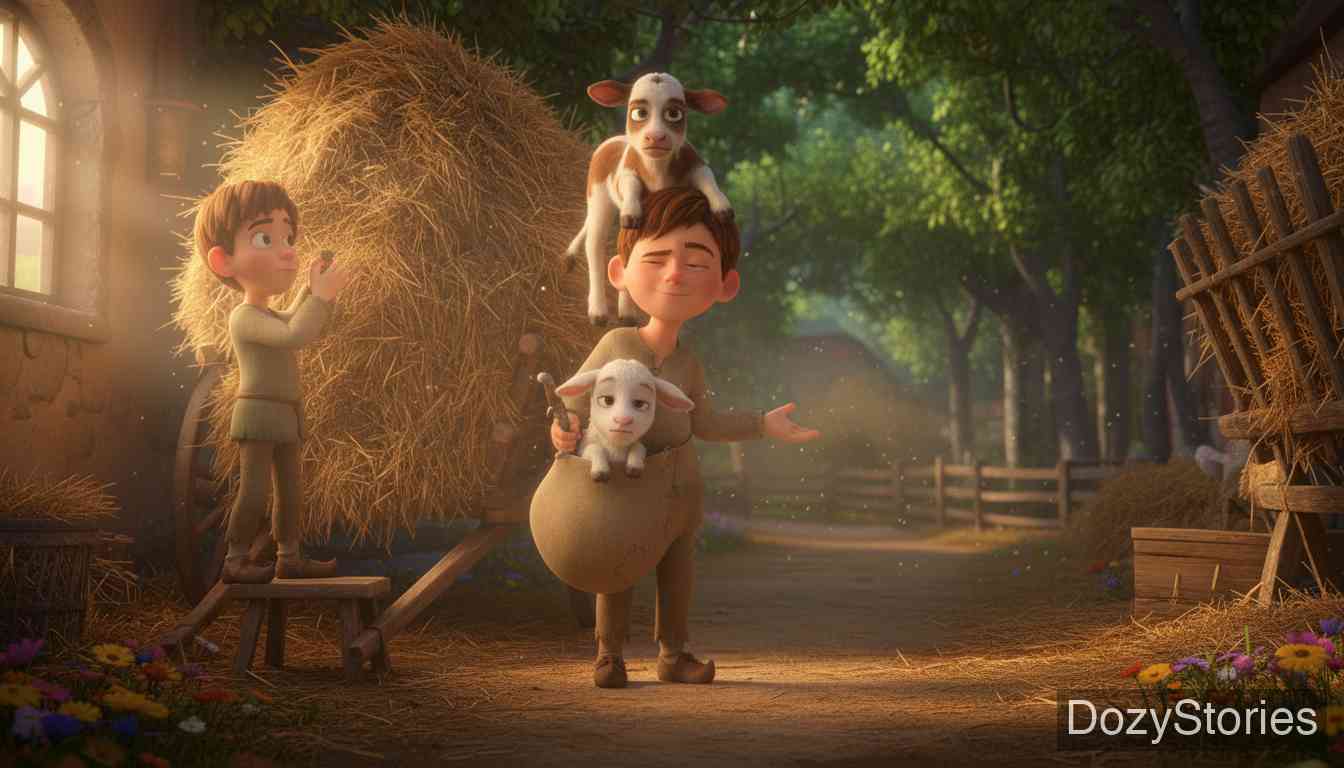
《傻汉斯》词汇精讲
本故事精选 12 个重点词汇,附中英释义与原文例句,帮助孩子扩展英语词汇量。
To act in a good and polite way.
守规矩;行为端正。
"Then behave well," said his mother.
“那你可得规规矩矩的。”母亲说。
The part of a coat or shirt that covers your arm.
袖子。
A needle belongs in your sleeve, where you can reach it at once.
针该别在袖子上,用时一抽就到手。
The sharp, flat cutting part of a knife.
刀刃;刀身。
But the sharp blade cut his arm through the cloth.
谁知一路走来,刀锋隔着衣袖,把他的胳膊划出一道道血印。
Breathed out slowly and loudly to show tiredness or sadness.
叹气(表示无奈或难过)。
His mother sighed.
母亲叹了口气。
Pulled something heavy along the ground.
拖;拽。
Hans remembered the goat, so he tied a rope around the meat and dragged it home behind him.
汉斯想起小羊的事,便找了根绳子,把肉拴住,一路拖在身后往回走。
Lost or without a home; wandering alone.
走失的;无家可归的。
On the way, two stray dogs ran out and ate all the bacon.
谁知半道上跳出两条野狗,把肉叼了个精光。
Tried hard to move or get free.
挣扎;奋力挣脱。
All the way home, the calf kicked and struggled, and kicked his face until it was black and blue.
一路上,牛犊又踢又蹬,把他的脸踢得青一块紫一块。
Covered with bruises from being hit or kicked.
青一块紫一块;伤痕累累。
All the way home, the calf kicked and struggled, and kicked his face until it was black and blue.
一路上,牛犊又踢又蹬,把他的脸踢得青一块紫一块。
Painful, especially when touched.
疼痛的;酸痛的。
Hans touched his sore face.
汉斯摸着脸上的伤。
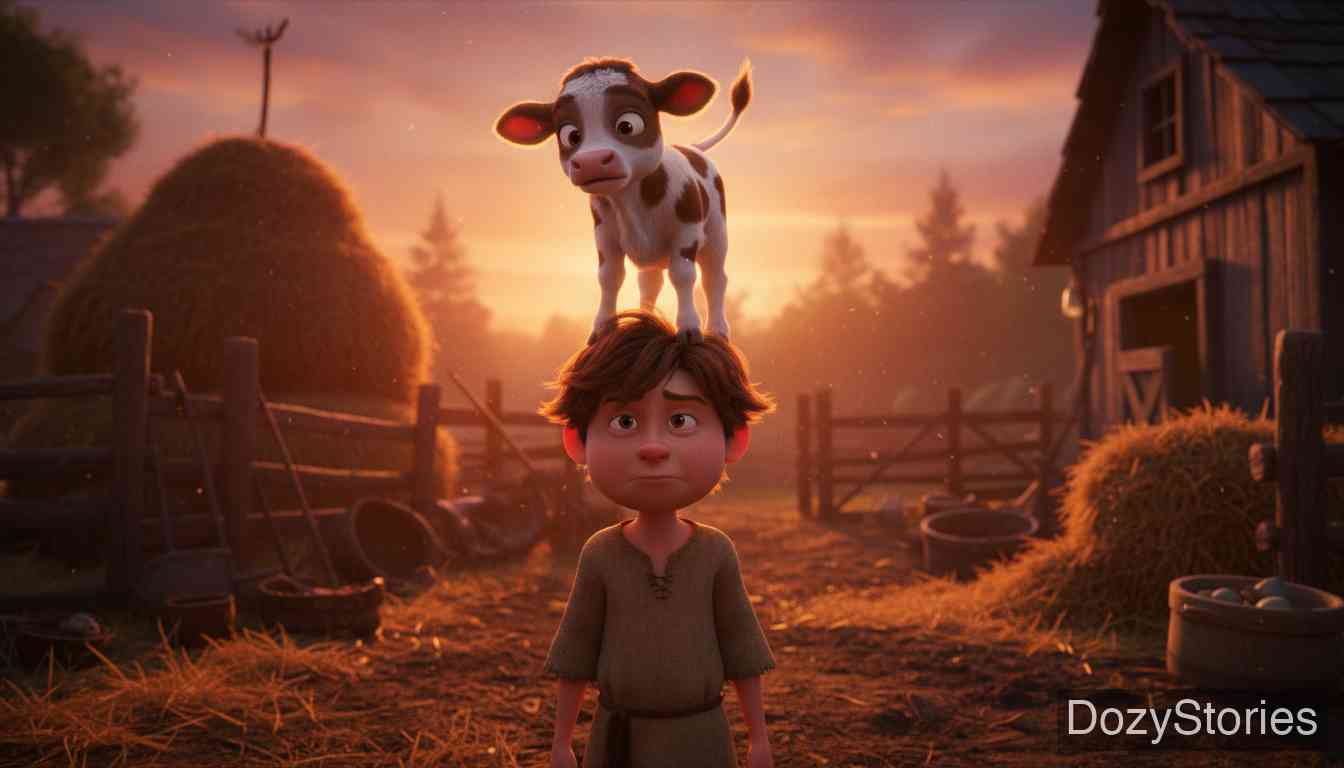
A building where farm animals such as horses and cows live.
牲口棚;马厩。
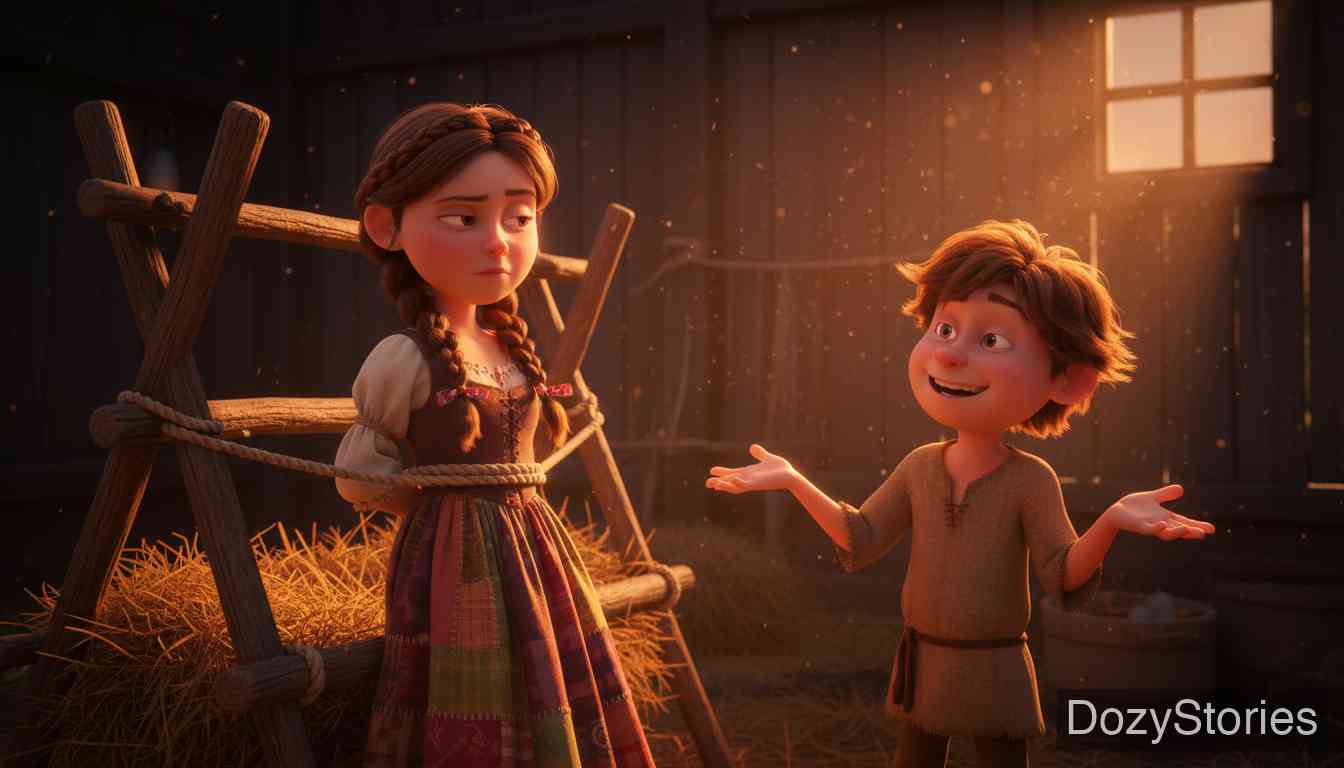
He remembered the calf, so he tied a rope around Grethel, led her to the stable, tied her to the hay-rack, and spread some grass in front of her.
他想起牛犊的事,便找了根绳子,把格蕾特拴住,一路牵到牲口棚,绑在草料架边,还在她跟前撒了一把草。
A woman on her wedding day, or a woman who has just married.
新娘。
Yet, strange to say, in the end she still became Hans's bride.
可说来也奇,到末了,她还是做了汉斯的新娘。
The quality of being smart and quick to understand.
聪明;机灵。
Knowing rules by heart is not real cleverness.
光会背规矩不算聪明。
延伸阅读与亲子共读
故事寓意
规矩是死的,事情是活的。汉斯把昨天的法子原样搬到今天的事上,次次弄巧成拙——可见光会背规矩不算聪明,能看清眼前这件事,才是真本事。
教育价值
这则寓言帮孩子体会“具体问题要具体分析”:同一句叮嘱,换一件事就是另一个意思。共读时边读边猜汉斯下一次会怎么用错,笑完之后再问一句——如果换成你,会怎么办?
家长共读提示
读前可以先定个规矩:每听到妈妈的新叮嘱,就让孩子猜一猜汉斯下回会怎么照搬。结尾汉斯剜出牛眼羊眼扔向格蕾特,是老“呆瓜故事”惯用的夸张胡闹,一句玩笑带过即可,不必细究。读完问问孩子:“友善的目光”到底是怎样的目光?
和孩子聊一聊
- 汉斯每次都能记住妈妈的话,可为什么还是次次办砸?他究竟错在哪一步?
- 妈妈说“针要别在袖子上”,汉斯第二天就把小刀别进袖子。你能提前猜到他下一次会怎么用错吗?
- 汉斯的糊涂,和“刻舟求剑”“守株待兔”里的人有什么共同之处?
- 妈妈说“该向她投去友善的目光”。如果你是汉斯,会怎么理解这句话?又会怎么做?
- 这则寓言说“规矩是死的,事情是活的”。你能举出一件生活中“照搬老办法反而坏事”的小事吗?