聪明的小爱尔莎
导读
这则故事在格林童话里是个大笑话,可笑话底下藏着一层古老的智慧。欧洲人把它归入“愚人”笑话一类:一个姑娘为根本没影儿的事哭得死去活来,全家人还一个接一个下地窖陪她哭。中国人读到这里,多半会会心一笑——这不正是“天下本无事,庸人自扰之”吗?把故事改写成寓言体,正是要放大这份“自作聪明”的荒诞:用讲古的口吻、凝练的短句,让爱尔莎的糊涂在笑声里显出原形。改写时场景一概不动,地窖、麦田、小铃铛都还是老样子,因为这份糊涂不属于哪个国家,哪个村庄都出过这样的人。父母带孩子读时,不妨留意一个细节:从头到尾,没有一个人想起把天花板上的锄头拔下来。聪明人哭了一地,却没有一个人动手解决真正的问题——这,才是这则寓言最想说的话。


《聪明的小爱尔莎》词汇精讲
本故事精选 12 个重点词汇,附中英释义与原文例句,帮助孩子扩展英语词汇量。
Something that must be agreed before something else can happen.
条件;前提。
He wanted to marry Else, but he set one condition: she must be careful as well as clever.
汉斯开了一个条件:姑娘不但要聪明,还要细心周到。
A cool room under a house, used for keeping food and drinks.
地窖;地下室。
One evening her mother said, "Else, go down to the cellar and bring up some beer."
这一天,母亲说:“爱尔莎,下地窖去提一壶酒来。”
A heavy tool with a pointed metal head, used to break hard ground.
鹤嘴锄;十字镐。
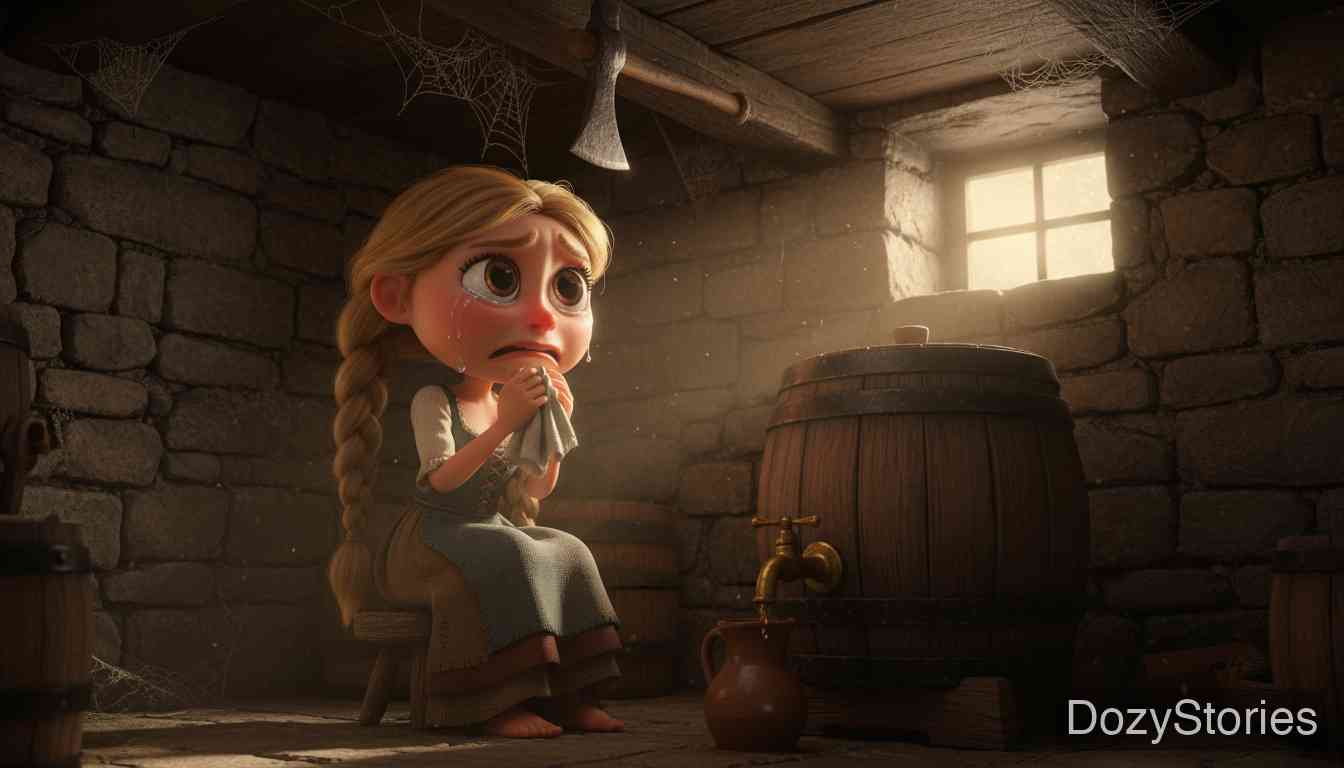
High above her head, a workman had left a sharp pickaxe stuck in the ceiling.
猛一抬头,只见头顶的天花板上,插着一把工匠落下的鹤嘴锄。
To cry, usually quietly and with sadness.
哭泣;流泪。
When Else saw the pickaxe, she began to weep.
一见那把锄,爱尔莎哇的一声哭了起来。
A very bad thing that brings great harm or sorrow.
灾祸;灾难。
So she sat on her stool and cried over a disaster that had never happened.
她越想越怕,索性坐在凳上,为这件八字没一撇的祸事放声痛哭。
Cried out loudly, like a dog or a wolf.
大声嚎哭;嚎叫。
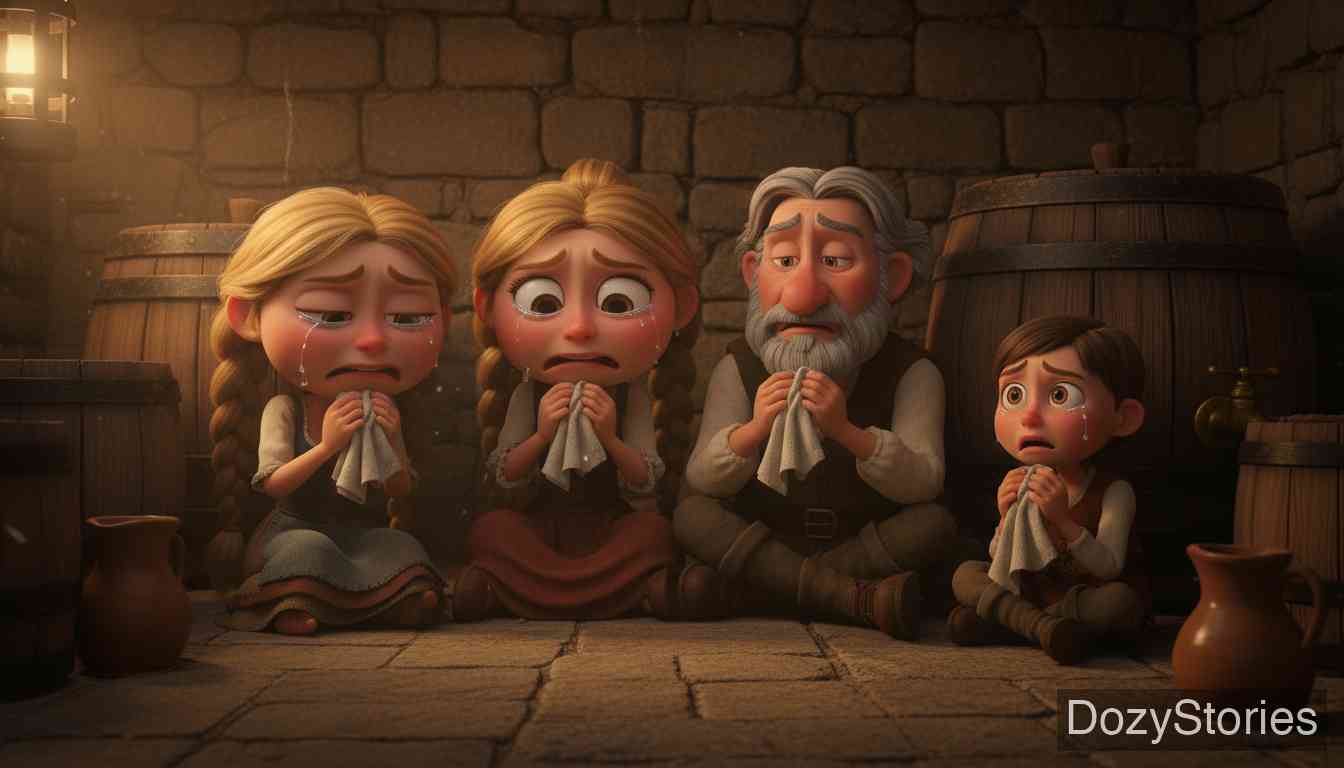
"Our Else is truly clever!" he said, and he sat down and howled with the others.
他拍手道:“咱们爱尔莎真是聪明!”也在旁边坐下,扯开嗓子嚎了起来。
Crying with short, shaking breaths.
抽噎;啜泣。
There sat five people, sobbing side by side.
五个人围坐痛哭,你一言我一语,说的都是那件没影儿的事。
Showing good judgement and careful thought.
有见识的;明智的。
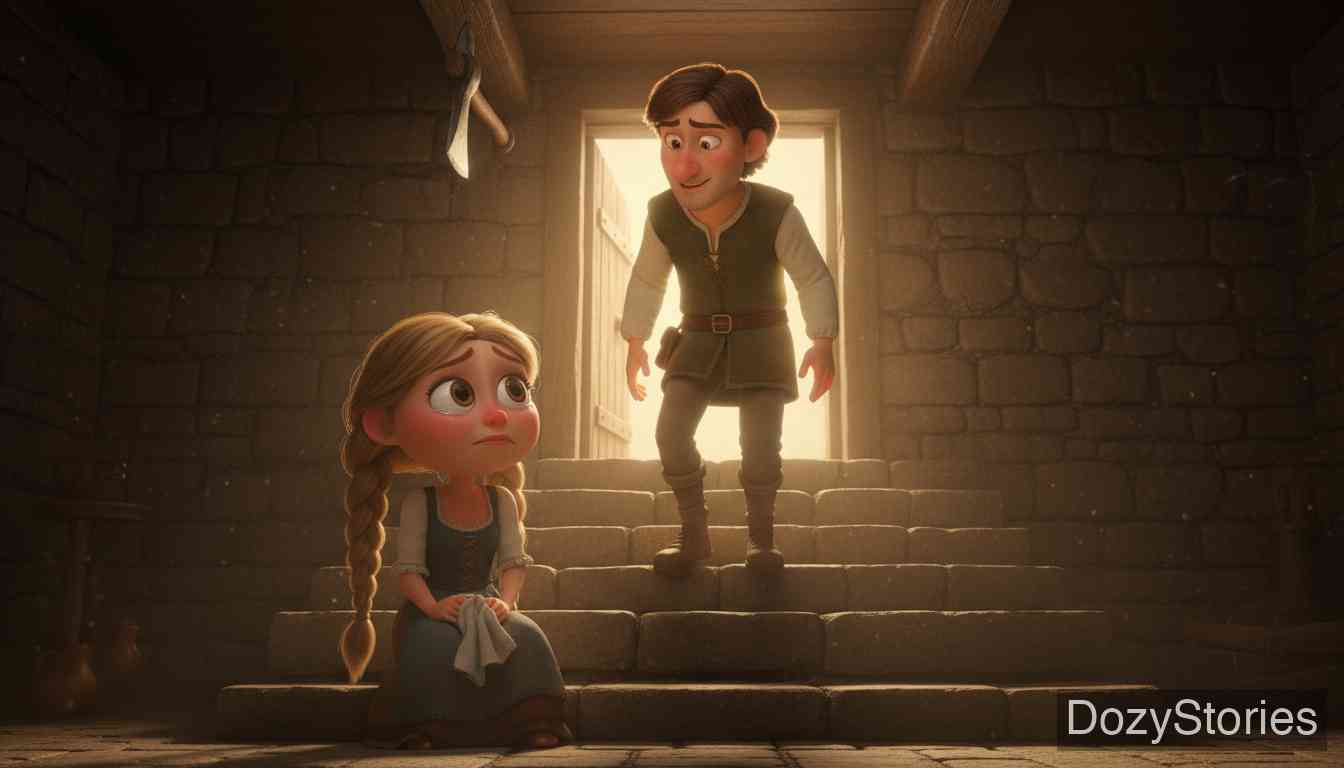
"That is the most sensible thing I have ever heard," said Hans.
汉斯听罢,反倒乐了:“想得这样长远,真是难得的好见识!”
A hot dish of meat and vegetables cooked slowly in liquid.
炖菜;烩菜。
Else cooked a pot of rich stew and carried it out to the field.
汉斯前脚一走,她后脚就炖了一锅香喷喷的菜,端到田里。
Went to get something and brought it back.
取来;拿来。
Hans ran home and fetched a bird net hung with little bells.
汉斯跑回家,取来一张缀满小铃铛的捕鸟网,轻轻罩在爱尔莎身上。
Made a light ringing sound, like small bells.
叮当作响。
She stood and shook herself, and the bells jingled at every step.
她一起身,身上叮当乱响,把她吓了一跳。
Said no to something; would not do it.
拒绝;不肯。
The people in the village heard the jingling bells and refused to open their doors.
可人家听见铃铛响,谁也不肯开门。
延伸阅读与亲子共读
故事寓意
为没影儿的祸事哭断肠,叫空想;为眼前的正事睡大觉,叫糊涂。真正的聪明,是把心思用在当下,而不是为想象中的明天哭泣。
教育价值
这则寓言帮孩子分清“真烦恼”与“假烦恼”:值得担心的,是眼前看得见的事;凭空想出来的祸事,再真切也只是空想。同时也是一次“反语”的启蒙——“聪明”这个称号,原来是反着说的。
家长共读提示
先陪孩子笑一场,再问:爱尔莎哭的那些事,哪一件真的发生过?可以和孩子一起列一张“真烦恼”与“假烦恼”的单子,比一比哪张更长;最后聊聊,汉斯夸爱尔莎“聪明”,是真心话,还是反话?
和孩子聊一聊
- 爱尔莎为一件还没影儿的事哭,全家人也跟着哭。你觉得,什么样的担心是值得的,什么样的担心是多余的?
- 故事叫《聪明的爱尔莎》,可她做的每件事都不聪明。作者为什么要这样起名字?
- 爱尔莎醒来听见铃铛响,就怀疑自己不是自己。一个人为什么会这样轻易地不相信自己?
- 全家人都在哭,却没有一个人想到把锄头拔下来。如果你是其中的一个人,你会怎么做?
- 如果你要去做一件重要的事,可你又困又饿,你会怎么安排先后?