The Two Brothers
Introduction
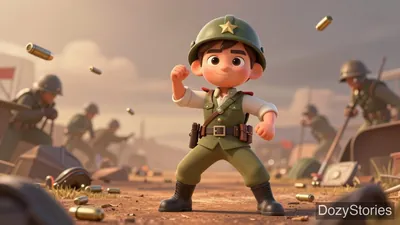
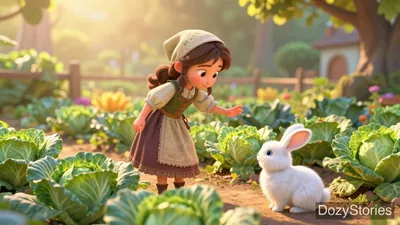
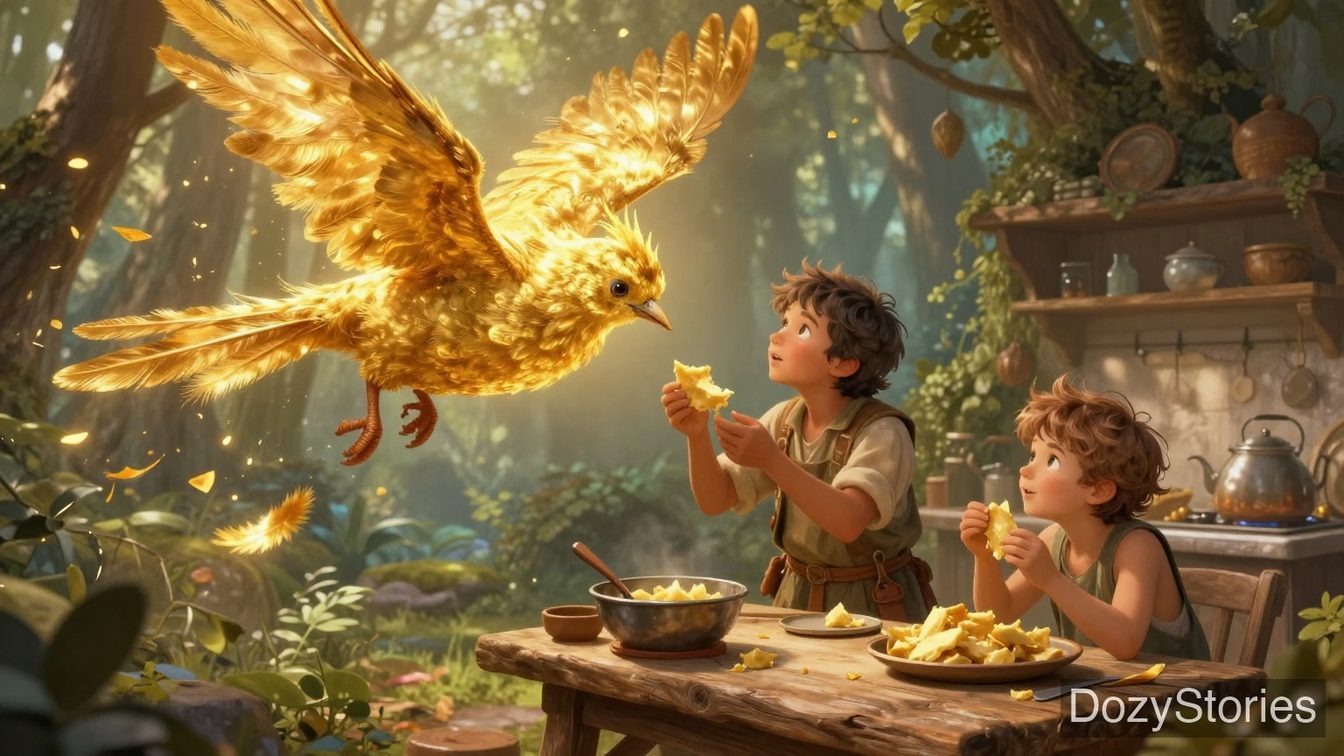
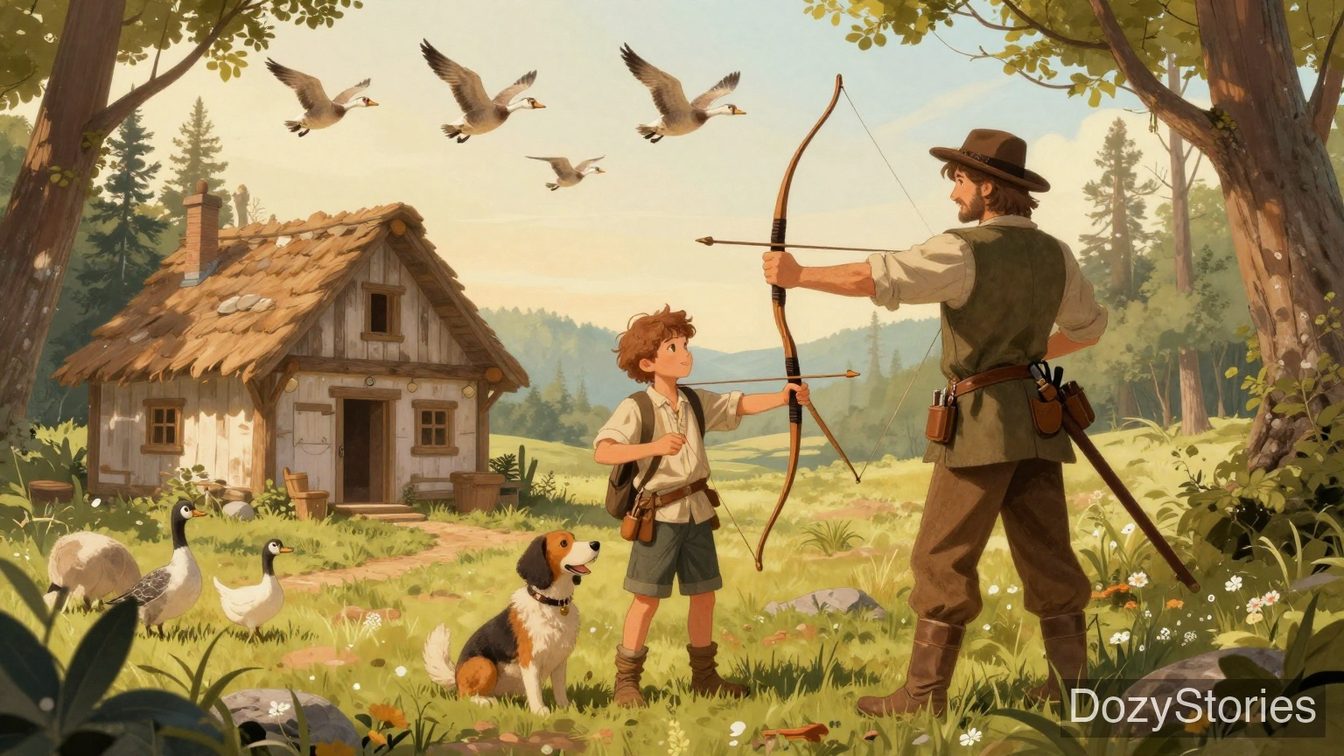
The Two Brothers is the sixtieth tale in Grimm, and the longest, most crowded story in the whole collection. This version keeps only its most thrilling heart — the dragon-slayer episode — and retells it in the manner of a Chinese fable: the steady beat of "Long ago" and "one day" and "from that day on" carries the tale, and every character becomes a type — the greedy goldsmith, the grateful beasts, the lying marshal — whose nature is told in one sentence. That is the strength of a fable: the plot may be simple, but the lesson stands out bright. The circle of "kindness to animals, animals repay kindness" echoes the old Chinese saying that good deeds return to the doer, while the device of proving the hero by the dragon's tongues answers the ancient rule that words may lie but evidence cannot. The dragon-slaying pattern itself is thousands of years old, from Perseus in Greek myth to Saint George in England, and in every version the true victor holds proof that no impostor can produce. Before you read, ask your child one question: why does the marshal carry away the heads but not the tongues? That single question teaches more about the weight of evidence than any lecture could.
Vocabulary from "The Two Brothers"
12 key words from this story with definitions and original context sentences for language learners.
Feeling unhappy because someone else has something you want.
嫉妒的;眼红的。
He was envious and cruel, and he wanted revenge.
他又妒又恨,一心想要报复。
A formal agreement between people or groups.
契约;盟约。
Your sons have made a pact with the devil.
「你这对儿子与魔鬼立了约。」
Very sad or unpleasant; making you feel pity.
悲惨的;可怜的。
But if she refused, the whole town would be destroyed, so at last she made that wretched journey with tears.
可若不上山,全城便要毁于一旦,她只得含泪走上这条苦路。
Very angry.
狂怒的;暴怒的。
The monster grew furious.
龙暴怒而起。
Stepped on heavily and crushed underfoot.
踩踏;践踏。
But the animals rushed in and trampled the fire out.
牲口们却冲上来,把火踩灭了。
Ran away in different directions.
四散奔逃;散开。
When the guard stopped him, he stood up on his hind legs and cuffed them left and right until the whole guard scattered.
被卫兵拦住,它后腿直立,左右开弓几巴掌,把整队卫兵打散了。
A short trip to do a small job, like fetching something.
跑腿的差事。
The hare was the lowest of the animals, so the errand fell to him alone.
兔子是众兽里最末的,这差事推不掉,只得自己跑腿。
Being kind and forgiving to someone you could punish.
仁慈;宽恕。
This matter shall go by mercy, not by right.
「这事要讲情分,不讲道理。」
Betraying someone who trusted you.
背信弃义;背叛。
I wandered with them for a whole year, and only from this innkeeper did I learn of the marshal's treachery.
我流浪一年,才从店主口中得知这桩背信之事。
The person who wins a fight or contest.
胜利者;胜者。
The tongues of a dragon are the victor's proof.
「龙舌,是胜者的凭证。」
Loyal; always staying with and supporting someone.
忠实的;忠诚的。
He often rode out hunting, and the five faithful animals always trotted behind his horse.
他常骑马出宫打猎,五只忠心的牲口,总是跟在他的马后。
To bet money on what will happen.
打赌;下赌注。
I will wager a hundred gold pieces that it will never happen.
「我赌一百枚金币,绝无此事。」
Reading Together & Learning More
The Moral
Kindness is always repaid, and lies are always found out. The huntsman spared the pleading animals, and they gave him back his life; the marshal stole the glory, but he could not steal the dragon's tongues, and the truth spoke at last. Be kind, and good luck will find you; tell lies, and they will soon catch up with you.
Educational Value
This fable teaches a child two big lessons: gratitude, for kindness shown to the weak comes back to save you in danger, and evidence, for words alone prove nothing while solid proof makes the truth clear. Reading a long tale like this also trains a child to follow causes, effects and planted clues.
Tips for Parents
This is the longest tale on the site, so read it in two or three sittings, one or two scenes at a time, and pause at exciting moments to ask: what happens next? The beheading and revival may be too intense for children under eight, so preview the plot first if needed. When you finish, count together the good deeds the huntsman planted and the fruits they bore — and list the pieces of evidence that finally exposed the marshal's lie.
Talk About It
- The goldsmith was already rich. Why did he still cheat his poor brother out of the golden feather and drive his nephews from home? What was missing in his heart?
- The hare, fox, wolf, bear and lion only begged for their lives at first. Why did they later risk everything to save their master? What did they get in return?
- The marshal cut off the huntsman's head, took the princess and told a huge lie. Why could he steal the heads but not the tongues? Why is evidence more reliable than words?
- The princess knew the marshal was a liar but was forced to stay silent, so she bought time by delaying the wedding for a year and a day. Is that a kind of courage too?
- At the end, the young king did not punish the innkeeper who lost the bet; he gave him money instead. If you held great power one day, would you choose revenge or mercy? Why?