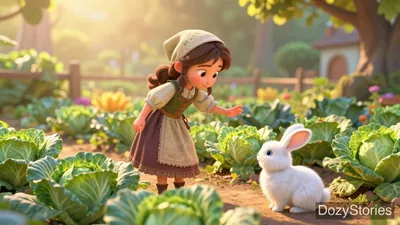
The Singing Bone

Introduction

Why retell "The Singing Bone" as a fable? A fairy tale often hides its lesson behind layers of magic, while a fable puts the truth at the front door. In this version the forest, the bridge, and the palace stay exactly as they are; only the telling changes. The sentences grow short and plain, so a child can hold the whole story in one breath and carry the point away in the heart. The lesson itself is as old as any civilization. Chinese tradition keeps it in sayings such as "shan you shan bao, e you e bao" — good is rewarded and evil is repaid — and "zhi bao bu zhu huo," no paper can wrap fire forever. Both say the same thing: a wrong deed cannot stay hidden, no matter how deep it is buried. Western tales agree. In the old Scottish ballad "The Twa Sisters," a harp strung from a drowned girl's bones sings out her killer's name, just as this bone sings its song before the King. When you read with your child, slow down at two moments: the little man's gift to the pure-hearted brother, and the shepherd's discovery of the white bone. Ask what the bone can do that no living witness could. The dark middle of the tale — envy, murder, and its punishment — is best read in a calm voice, with the eye on the ending, where the truth finally speaks, and kindness is laid to rest with honor.
Font Size
1 / 10
Stopped
The Singing Bone - A wild boar wrecks the land, the King offers a reward, and the kind younger brother gets a magic spear from a little man in the forest. - Scene Illustration 1
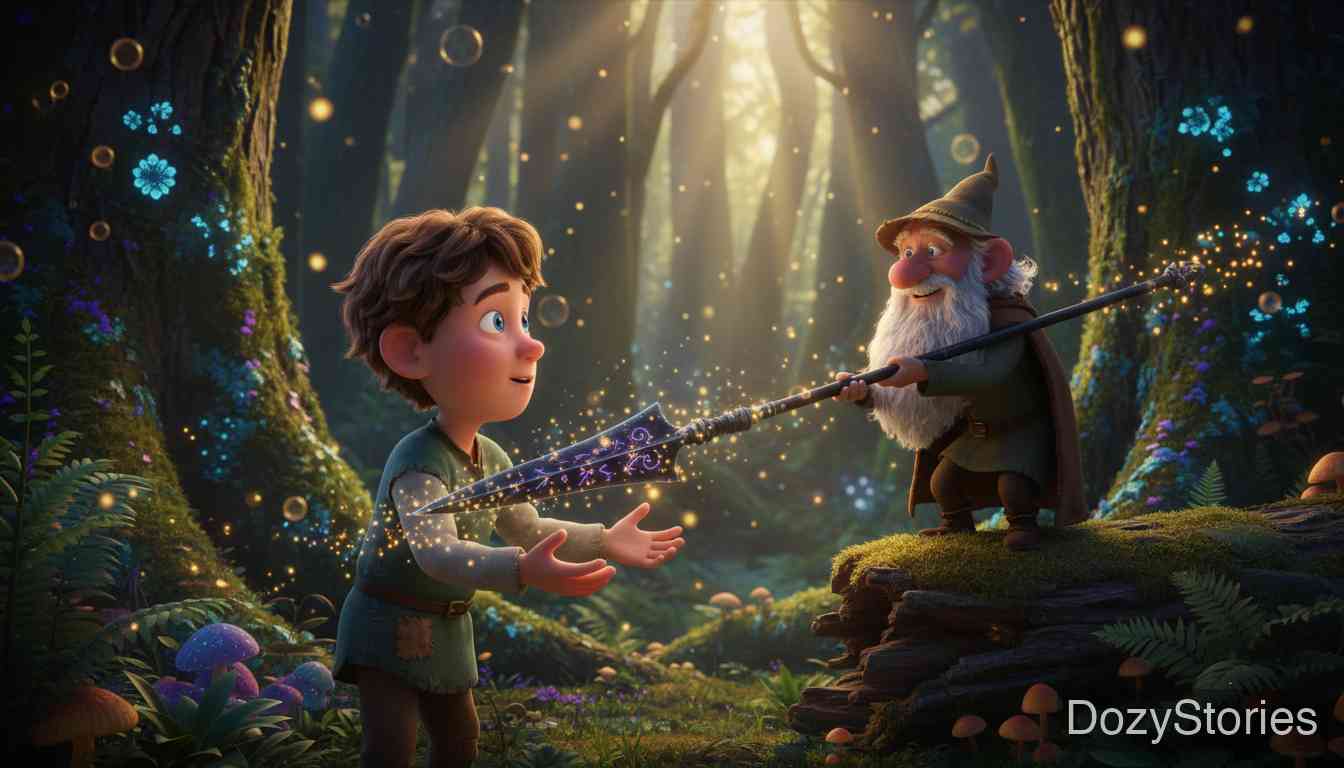
A wild boar wrecks the land, the King offers a reward, and the kind younger brother gets a magic spear from a little man in the forest.
Long ago, a wild boar brought great trouble to a land. It trampled the corn in the fields. It killed the sheep and the cows. It even hurt people with its sharp tusks. The King promised a rich reward of gold to anyone who killed the beast. At last he said, "Whoever kills the boar shall marry my only daughter." But the beast was big and fierce, and no one dared to go near its forest.
In that land lived two brothers, the sons of a poor man. Both wanted to try their luck. The elder was crafty and proud; he went for fame. The younger was kind and simple; he went to help the people. "Enter the forest from two sides," said the King. "The elder shall go in from the west, and the younger from the east."
The younger brother had not walked far when a little man stepped out from the trees. He held a black spear in his hand. "Take this spear," he said. "Your heart is pure, so it will keep you safe. With it you may face the boar without fear." The young man thanked him, put the spear on his shoulder, and walked on.
The Singing Bone - The younger brother kills the boar with one thrust and meets his carousing elder brother on the way home. - Scene Illustration 2
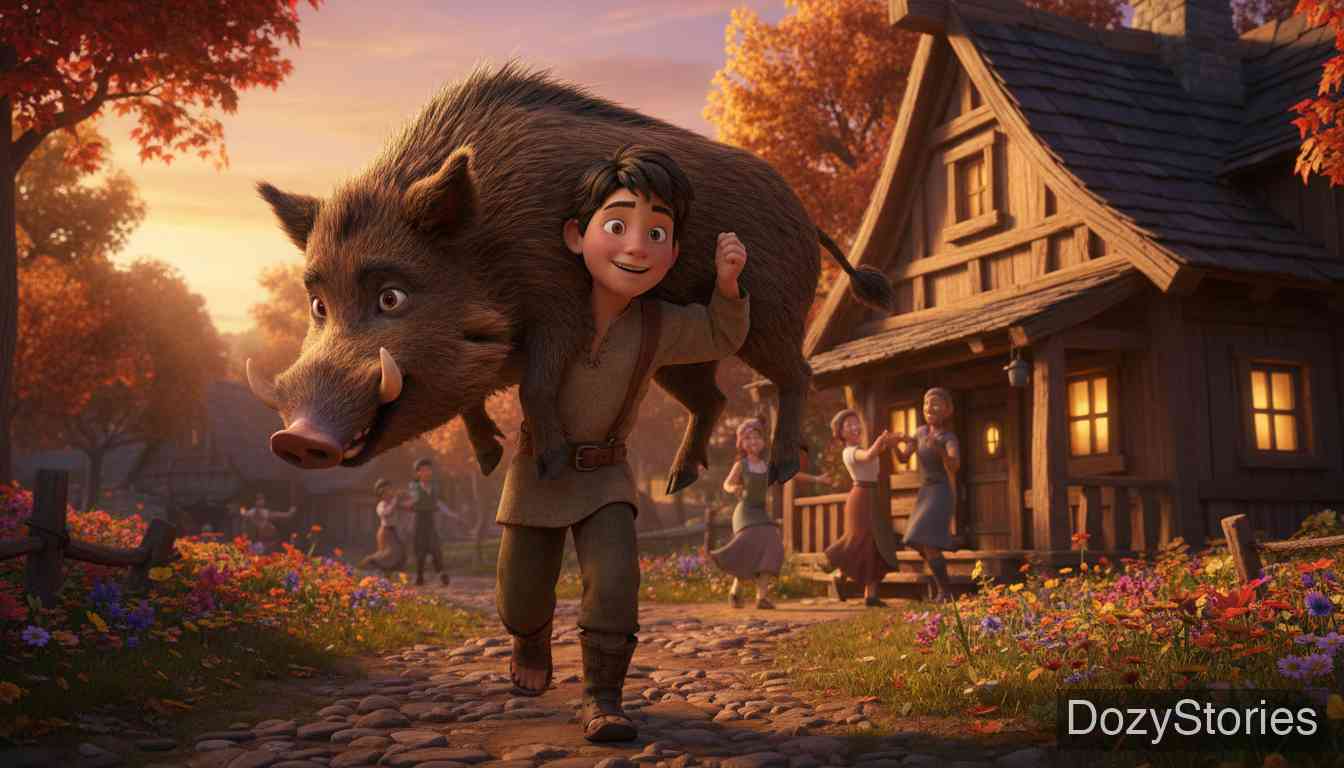
The younger brother kills the boar with one thrust and meets his carousing elder brother on the way home.
Soon the boar rushed out of the trees and ran straight at him. The young man stood firm and held out his spear. The beast struck the point with all its force and fell dead on the spot. The young man lifted the boar onto his back and started home, well pleased.
On the way he passed a house where people were drinking and dancing. His elder brother was inside. When the elder saw the boar on his young brother's back, envy filled his heart. But he smiled and called out, "Come in, dear brother! Rest and share a cup of wine." The young man suspected nothing. He went in and told his brother all about the little man and the magic spear.
The Singing Bone - Blinded by envy, the elder brother kills the younger on a bridge, steals the credit, and marries the princess. - Scene Illustration 3
Blinded by envy, the elder brother kills the younger on a bridge, steals the credit, and marries the princess.
The elder kept his brother drinking until dark, and then the two set off together. On the way they came to a small bridge over a brook. "You go first," said the elder. When the young man was halfway across, his brother struck him from behind. The young man fell and never rose again. The elder buried him under the bridge. Then he carried the boar to the King and said that he had killed it himself. The King believed him and gave him his daughter. When people asked about the younger brother, the elder said, "The boar must have killed him." And everyone believed the lie.
The Singing Bone - Years later a shepherd makes a mouthpiece from a white bone, and the bone sings out the old crime. - Scene Illustration 4
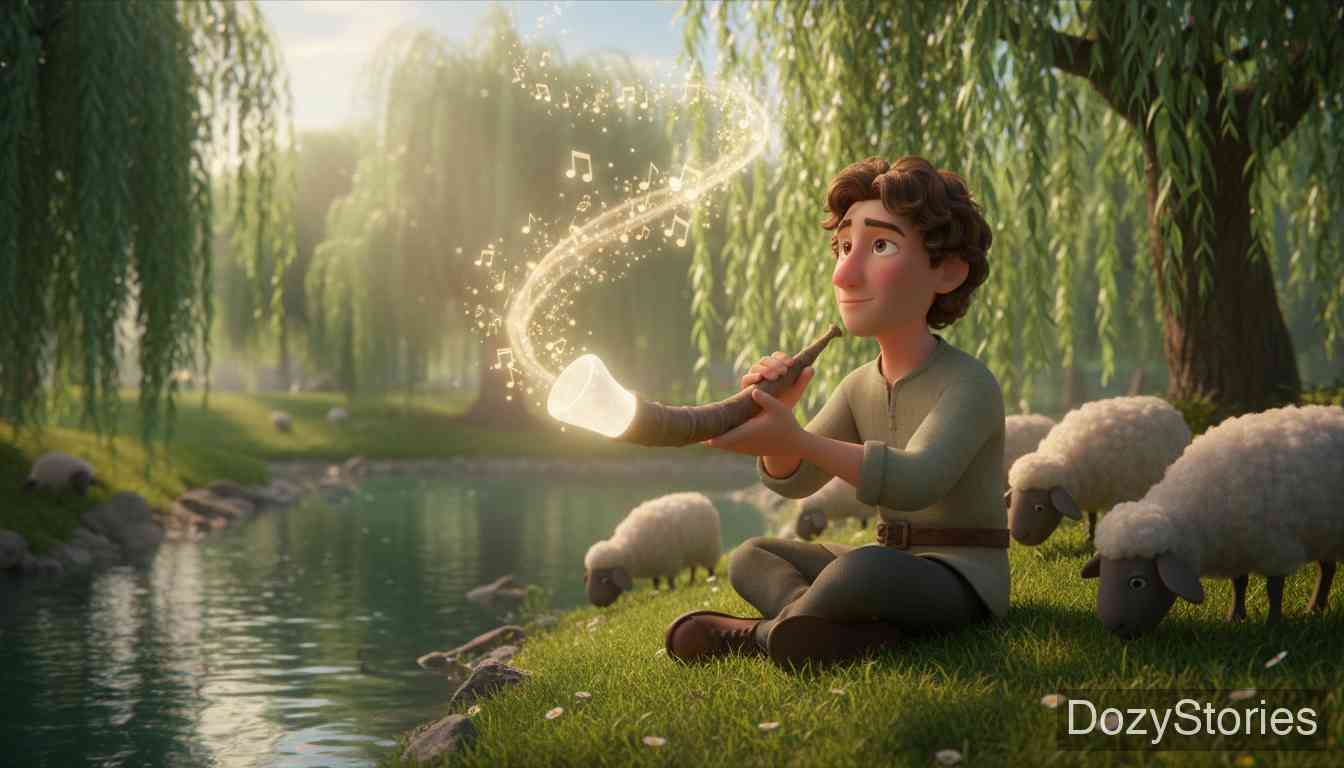
Years later a shepherd makes a mouthpiece from a white bone, and the bone sings out the old crime.
But no wrong deed stays hidden forever. Years later, a shepherd drove his sheep across the bridge. He saw a small white bone lying in the sand below. "This bone would make a fine mouthpiece for my horn," he thought. He climbed down and picked it up. The first time he blew into it, the bone began to sing:
"Oh shepherd, shepherd, hear my song, You blow upon my buried bone. Here by the brook my life was lost; My brother stole my prize and praise, And took the King's daughter to wed."
"What a wonderful horn!" said the shepherd. "It sings all by itself. I must take it to the King."
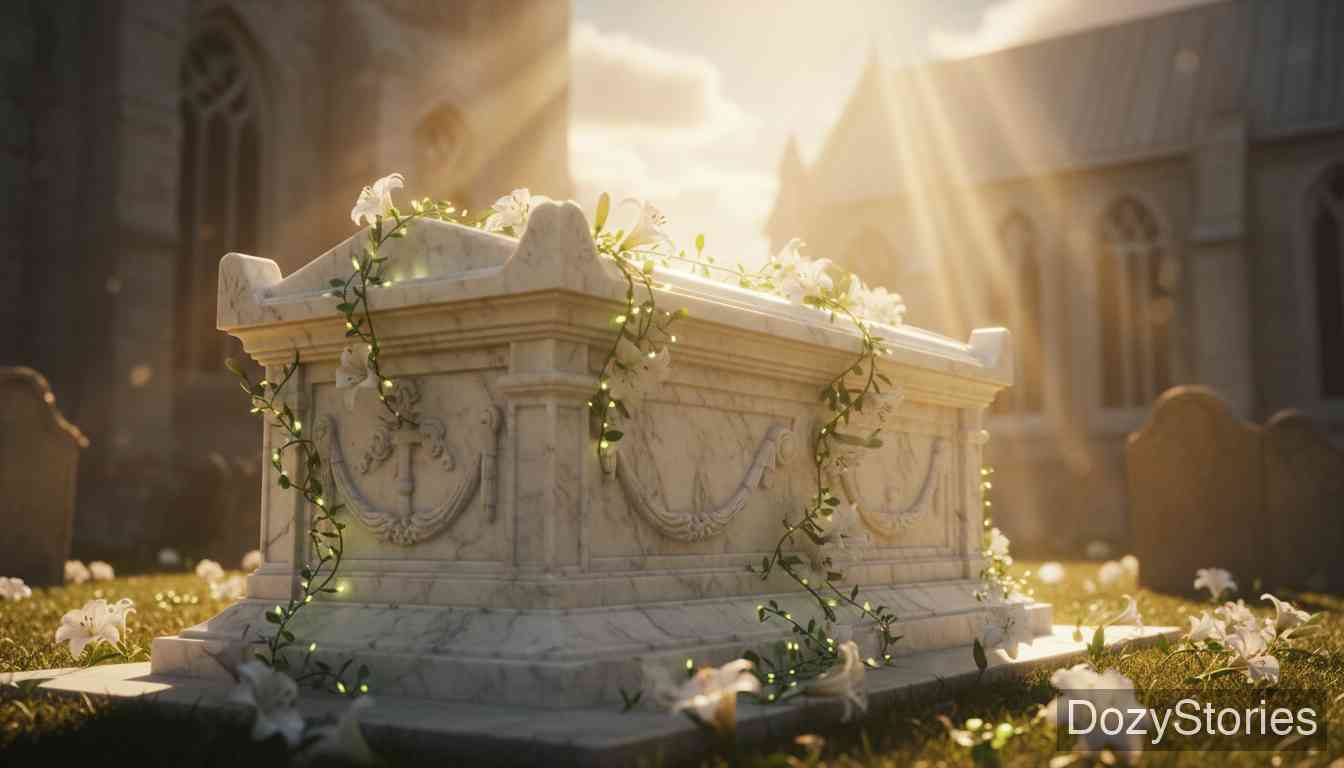
The Singing Bone - The truth comes to light, the wicked brother is punished, and the younger brother's bones are buried with honor. - Scene Illustration 5
The truth comes to light, the wicked brother is punished, and the younger brother's bones are buried with honor.
The shepherd carried the horn to the palace, and before the King it sang its song again. The King understood at once. He ordered his men to dig beneath the bridge, and there they found the bones of the murdered youth. The wicked brother could not deny the truth, so he was sewn into a sack and drowned. The bones of the kind younger brother were laid to rest in a fine grave in the churchyard. And from that day on, people said: good deeds bring good endings, and evil deeds bring evil endings. No one can hide a bad deed forever.

Vocabulary from "The Singing Bone"

12 key words from this story with definitions and original context sentences for language learners.

boarB2
/bɔː/n.

A wild pig with sharp tusks that lives in forests.

野猪。

Long ago, a wild boar brought great trouble to a land.

从前有个国家,被一头野猪搅得鸡犬不宁。

trampled(trample)B2
/ˈtræmpld/v.

Pressed down and crushed things by walking on them.

踩坏;践踏。

It trampled the corn in the fields.

它踏烂田里的庄稼,咬死圈里的牛羊,还用獠牙伤过人命。

tusks(tusk)C1
/tʌsks/n.

The long, sharp teeth of a boar or an elephant.

獠牙。

It even hurt people with its sharp tusks.

它还用獠牙伤过人命。

rewardB1
/rɪˈwɔːd/n.

Something good you get for doing a hard or brave thing.

奖赏;报酬。

The King promised a rich reward of gold to anyone who killed the beast.

国王悬下重赏:先赏黄金,又说谁除掉这头祸害,就把独生女儿许配给他。

fierceB1
/fɪəs/adj.

Very strong, wild, and frightening.

凶猛的。

But the beast was big and fierce, and no one dared to go near its forest.

可那畜生又壮又凶,方圆百里没人敢靠近它那片林子。

craftyB2
/ˈkrɑːfti/adj.

Clever in a tricky way, good at fooling others.

狡猾的;诡计多端的。

The elder was crafty and proud; he went for fame.

哥哥为人狡黠,又心高气傲,图的是争一份功劳。

spearB2
/spɪə/n.

A long stick with a sharp point, used for hunting or fighting.

长矛。

He held a black spear in his hand.

路旁闪出一个小老头,递给他一支黑铁长矛。

envyB2
/ˈenvi/n.

A sad or angry feeling because someone else has something you want.

嫉妒;羡慕。

When the elder saw the boar on his young brother's back, envy filled his heart.

哥哥见他背着野猪回来,又惊又妒,脸上却堆起笑。

suspected(suspect)B1
/səˈspektɪd/v.

Thought that something bad might be true.

起疑心;怀疑。

The young man suspected nothing.

弟弟不知有诈,走进屋去。

shepherdB1
/ˈʃepəd/n.

A person who looks after sheep.

牧羊人。

Years later, a shepherd drove his sheep across the bridge.

几年以后,一个牧人赶着羊群路过小桥。

mouthpieceC1
/ˈmaʊθpiːs/n.

The part of a musical instrument that you put against your lips.

(乐器的)吹嘴。

"This bone would make a fine mouthpiece for my horn," he thought.

牧人寻思:拿它做号角的吹嘴,正合适。

wickedB2
/ˈwɪkɪd/adj.

Very bad; evil.

邪恶的;作恶的。

The wicked brother could not deny the truth, so he was sewn into a sack and drowned.

作恶的哥哥百口莫辩,被装进麻袋,沉进了河里。

Reading Together & Learning More

The Moral

Good is rewarded and evil is repaid. Envy and greed may hide for a while, but the truth always finds its voice in the end.

Educational Value

Children learn how envy can turn a heart cruel, that kindness and honesty are the best treasures, and that no bad deed stays hidden forever.

Tips for Parents

This tale has a murder, so read it calmly and keep the focus on "the truth will out" rather than on revenge. After the story, ask your child: if you were the little man, whom would you give the spear to? You can also talk about the old saying that no paper can wrap fire forever — can a bad deed really stay hidden?

Talk About It

  1. The elder brother hunted for fame, while the younger went to help the people. Same task, different hearts — why do their paths end so far apart?
  2. The elder brother already had the princess and the credit. Why did he still kill his own brother? Does envy ever truly give a person more?
  3. Why does this story let a dead bone speak the truth, instead of a living witness?
  4. What if the shepherd had kept the singing horn for himself and never gone to the King? What would you have done?
  5. "Good is rewarded and evil is repaid" — do you believe this old saying? Can you think of a time when the truth came out in real life?