The Seven Ravens

Introduction

If you have read The Six Swans on this site, you will notice this tale is its close relative — both belong to the folk type 'the sister who rescues her bird-brothers' (ATU 451). The difference: there it is six swans and six years of sewing shirts; here it is seven ravens and a sister who walks to the very end of the world. Two things make this story especially moving. First, its cause: the father, merely impatient and angry, blurts out 'I wish the boys were all turned into ravens' — and before the words have died away, his seven sons fly off. It is an old warning that words spoken in temper can do real harm. Second, the sister's sacrifice: when she loses the bone-key given by a star, she cuts off her own little finger to use as a key instead — willing to give a piece of herself to save her brothers. As you read, ask your child: can angry words really never be taken back, as in this story?

Font Size
Image Layout
1 / 10
Stopped
There was once a man who had seven sons, and still he had no daughter, however much he wished for one. At length his wife again gave him hope of a child, and when it came into the world it was a girl. The joy was great, but the child was sickly and small, and had to be privately baptized on account of its weakness. The father sent one of the boys in haste to the spring to fetch water for the baptism. The other six went with him, and as each of them wanted to be first to fill it, the jug fell into the well.
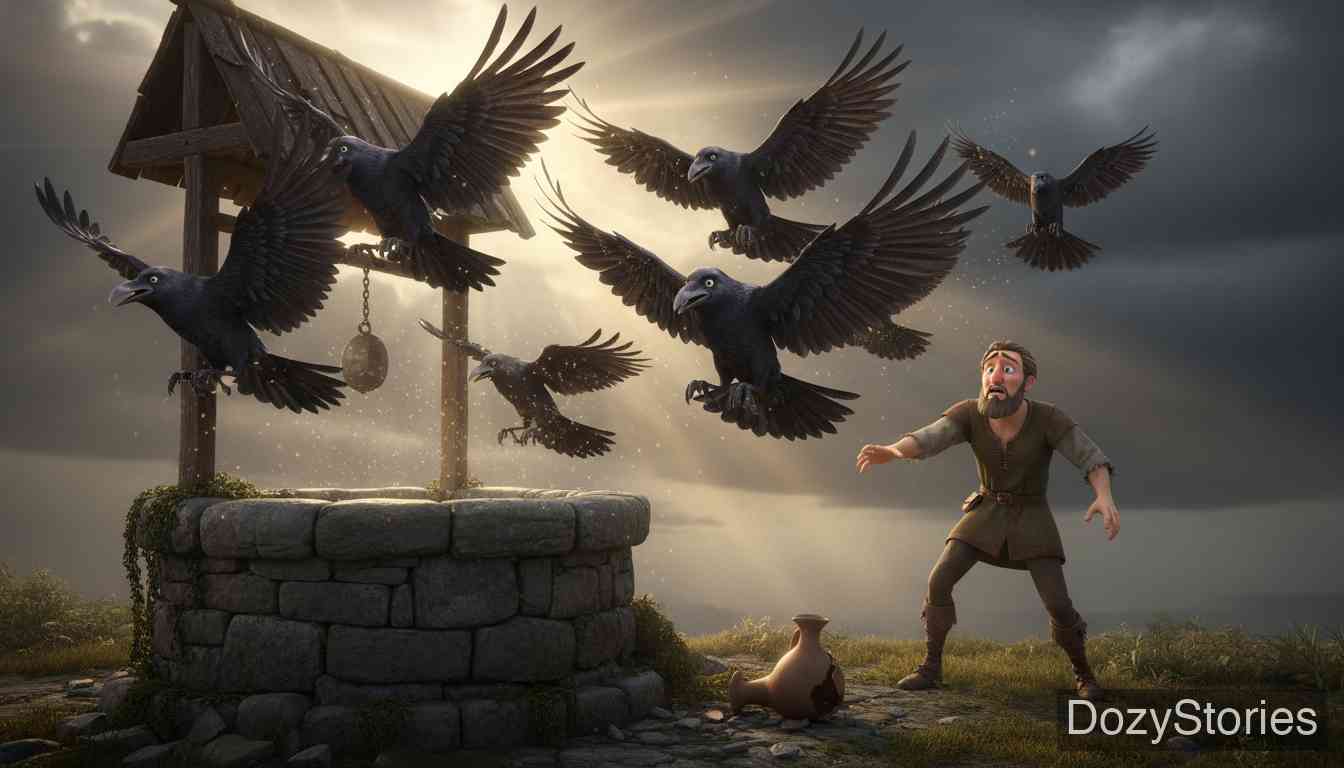
There they stood and did not know what to do, and none of them dared to go home. As they still did not return, the father grew impatient, and said, "They have certainly forgotten it for some game, the wicked boys!" He became afraid that the girl would have to die without being baptized, and in his anger cried, "I wish the boys were all turned into ravens." Hardly was the word spoken before he heard a whirring of wings over his head in the air, looked up and saw seven coal-black ravens flying away.
The parents could not recall the curse, and however sad they were at the loss of their seven sons, they still to some extent comforted themselves with their dear little daughter, who soon grew strong and every day became more beautiful. For a long time she did not know that she had had brothers, for her parents were careful not to mention them before her, but one day she accidentally heard some people saying of herself, "that the girl was certainly beautiful, but that in reality she was to blame for the misfortune which had befallen her seven brothers."
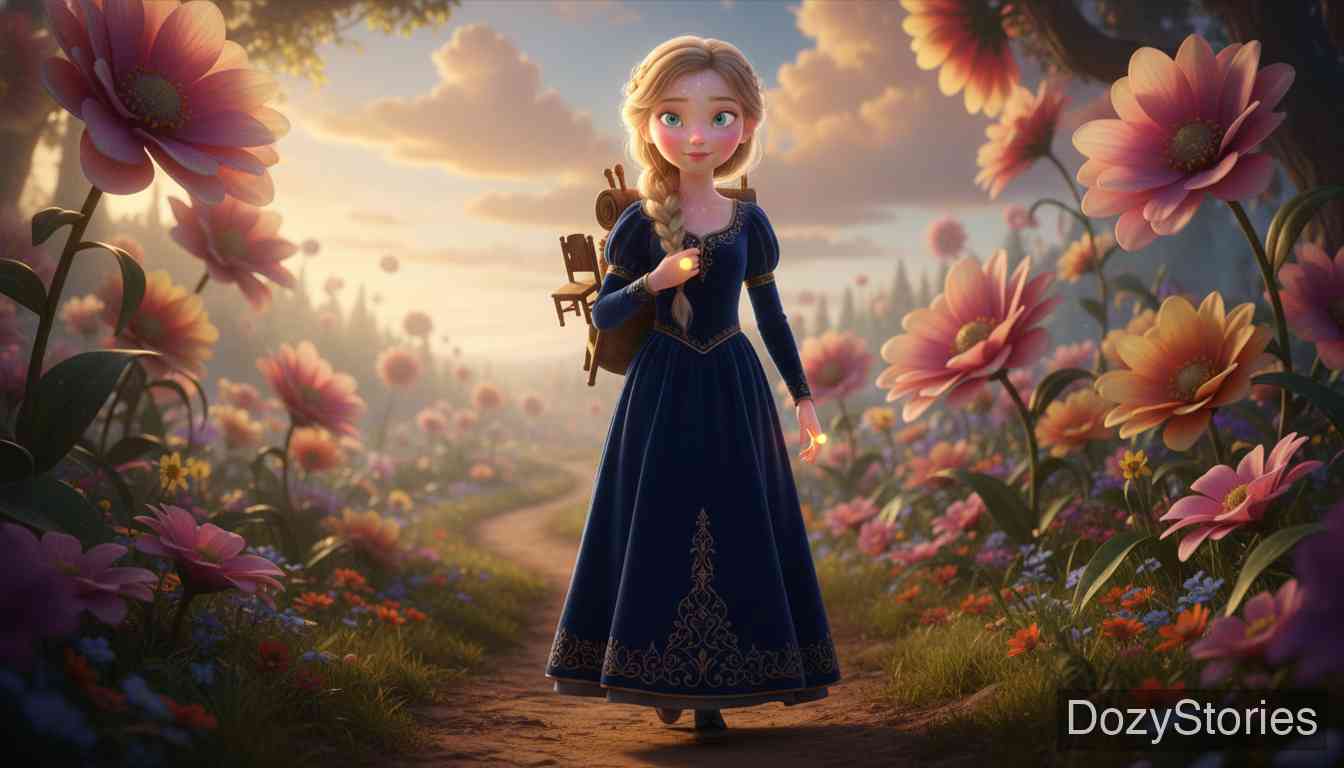
Then she was much troubled, and went to her father and mother and asked if it was true that she had had brothers, and what had become of them? The parents now dared keep the secret no longer, but said that what had befallen her brothers was the will of Heaven, and that her birth had only been the innocent cause. But the maiden took it to heart daily, and thought she must deliver her brothers. She had no rest or peace until she set out secretly, and went forth into the wide world to trace out her brothers and set them free, let it cost what it might. She took nothing with her but a little ring belonging to her parents as a keepsake, a loaf of bread against hunger, a little pitcher of water against thirst, and a little chair as a provision against weariness.
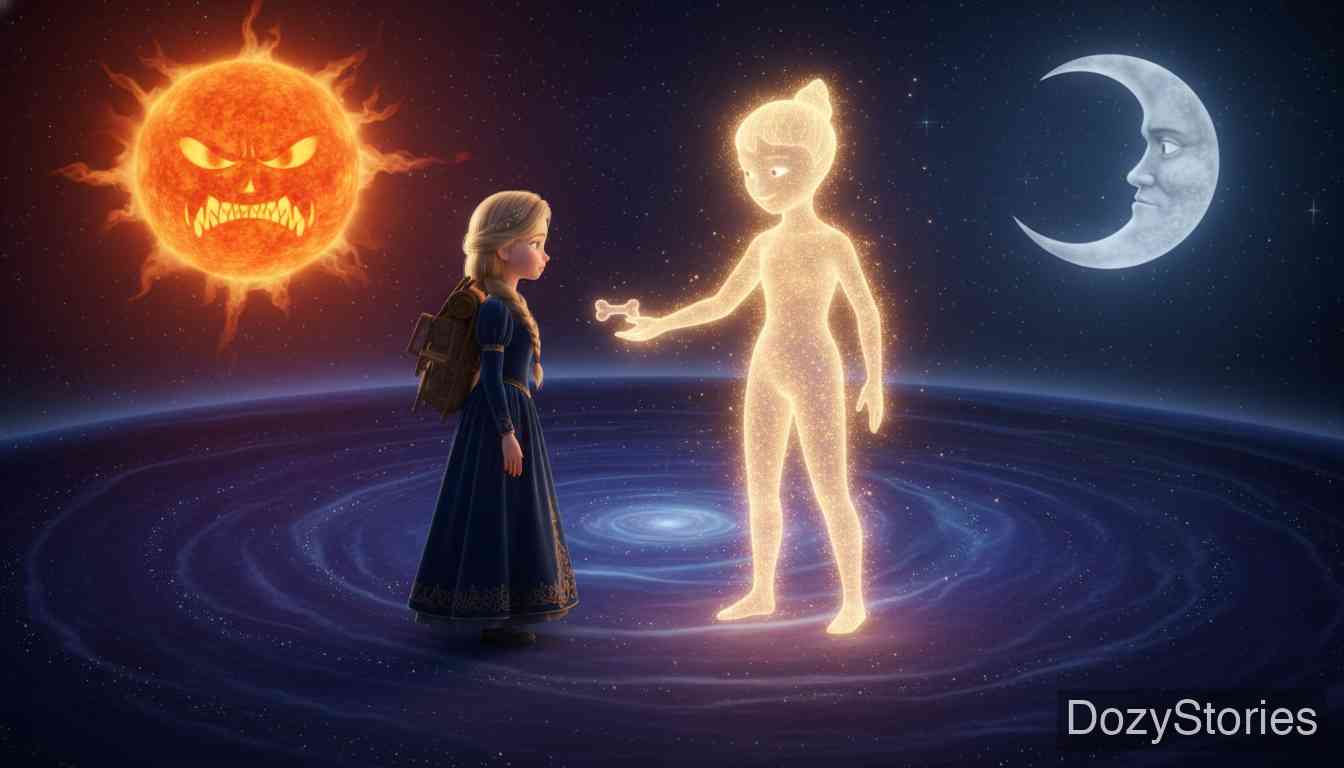
And now she went continually onwards, far, far to the very end of the world. Then she came to the sun, but it was too hot and terrible, and devoured little children. Hastily she ran away, and ran to the moon, but it was far too cold, and also awful and malicious, and when it saw the child, it said, "I smell, I smell the flesh of men."
On this she ran swiftly away, and came to the stars, which were kind and good to her, and each of them sat on its own particular little chair. But the morning star arose, and gave her the drumstick of a chicken, and said, "If you thou hast not that drumstick thou canst not open the Glass mountain, and in the Glass mountain are thy brothers."
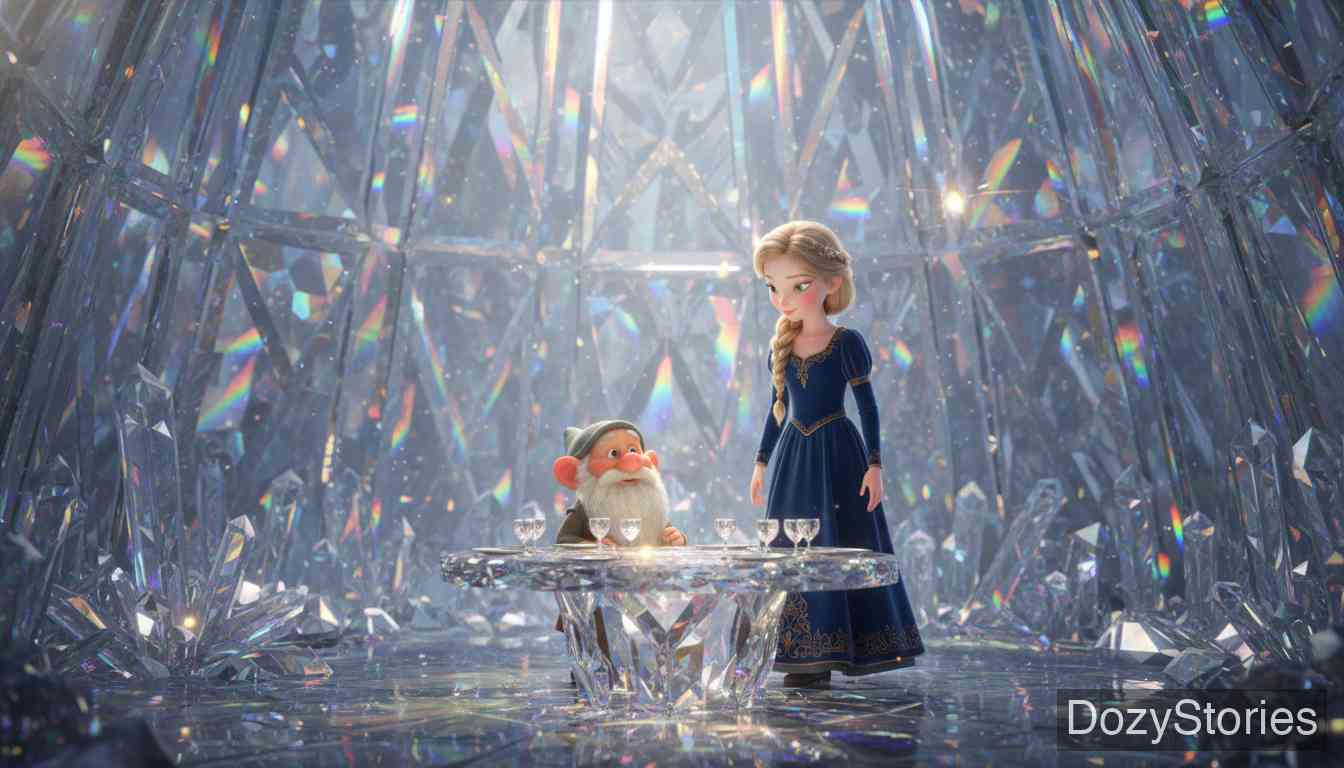
The maiden took the drumstick, wrapped it carefully in a cloth, and went onwards again until she came to the Glass mountain. The door was shut, and she thought she would take out the drumstick; but when she undid the cloth, it was empty, and she had lost the good star's present. What was she now to do? She wished to rescue her brothers, and had no key to the Glass mountain. The good sister took a knife, cut off one of her little fingers, put it in the door, and succeeded in opening it.
When she had gone inside, a little dwarf came to meet her, who said, "My child, what are you looking for?" - "I am looking for my brothers, the seven ravens," she replied. The dwarf said, "The lord ravens are not at home, but if you will wait here until they come, step in." Thereupon the little dwarf carried the ravens' dinner in, on seven little plates, and in seven little glasses, and the little sister ate a morsel from each plate, and from each little glass she took a sip, but in the last little glass she dropped the ring which she had brought away with her.
Suddenly she heard a whirring of wings and a rushing through the air, and then the little dwarf said, "Now the lord ravens are flying home." Then they came, and wanted to eat and drink, and looked for their little plates and glasses. Then said one after the other, "Who has eaten something from my plate? Who has drunk out of my little glass? It was a human mouth."
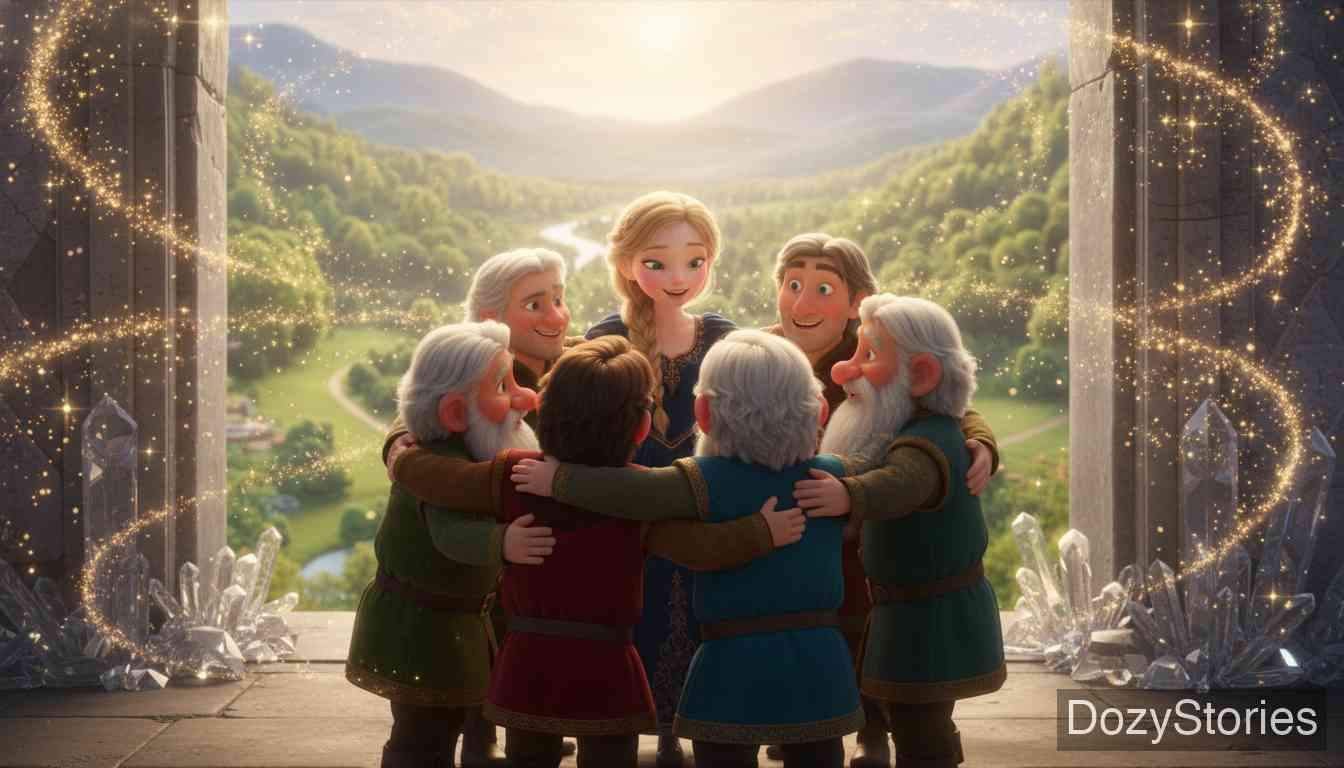
And when the seventh came to the bottom of the glass, the ring rolled against his mouth. Then he looked at it, and saw that it was a ring belonging to his father and mother, and said, "God grant that our sister may be here, and then we shall be free." When the maiden, who was standing behind the door watching, heard that wish, she came forth, and on this all the ravens were restored to their human form again. And they embraced and kissed each other, and went joyfully home.

Vocabulary from "The Seven Ravens"

12 key words from this story with definitions and original context sentences for language learners.

baptized(baptize)C1
/ˈbæptaɪzd/v.

Received into the Christian church with a ceremony using water.

给……施洗礼;受洗。

The child was sickly and small, and had to be privately baptized on account of its weakness.

这个孩子既瘦弱又矮小,因为身体虚弱,必须私下举行洗礼。

jugB1
/dʒʌɡ/n.

A container with a handle for holding and pouring liquids.

水壶;罐;有柄的壶。

As each of them wanted to be first to fill it, the jug fell into the well.

由于他们都争着想第一个接水,水壶掉进了井里。

impatientB1
/ɪmˈpeɪʃnt/adj.

Not able to wait calmly; easily annoyed by waiting.

不耐烦的;急躁的。

As they still did not return, the father grew impatient.

随着他们迟迟不归,父亲变得不耐烦了。

whirringC1
/ˈwɜːrɪŋ/n.

A low, continuous sound of fast movement, like beating wings.

呼呼声;(翅膀等的)扇动声。

Hardly was the word spoken before he heard a whirring of wings over his head in the air.

话音刚落,他就听到头顶上空传来一阵翅膀扇动的声音。

recallB2
/rɪˈkɔːl/v.

To call something back; to take back or undo it.

收回;撤回;召回。

The parents could not recall the curse, and however sad they were at the loss of their seven sons.

父母无法收回诅咒,尽管失去了七个儿子让他们悲痛万分。

befallen(befall)C1
/bɪˈfɔːlən/v.

Happened to someone (especially something bad).

降临到(某人身上);发生于(尤指不幸)。

She was to blame for the misfortune which had befallen her seven brothers.

她应该为她七个哥哥所遭遇的不幸负责。

keepsakeC1
/ˈkiːpseɪk/n.

A small thing kept to remember a person or event.

纪念品;留念物。

She took nothing with her but a little ring belonging to her parents as a keepsake.

她只带了一个属于父母的戒指作为纪念。

pitcherB2
/ˈpɪtʃə/n.

A large jug for holding water or other drinks.

大水罐;带柄大壶。

A little pitcher of water against thirst, and a little chair as a provision against weariness.

一壶水解渴,还有一把小椅子用来消除疲劳。

maliciousC1
/məˈlɪʃəs/adj.

Wanting to hurt others; full of ill will.

恶意的;狠毒的。

She ran to the moon, but it was far too cold, and also awful and malicious.

她跑向了月亮,但月亮太冷了,而且又阴险又恶毒。

drumstickB2
/ˈdrʌmstɪk/n.

The lower leg of a cooked chicken or other bird.

(鸡、鸭等的)小腿;鸡腿。

The morning star arose, and gave her the drumstick of a chicken.

晨星升起,给了她一根鸡腿骨。

restored(restore)B2
/rɪˈstɔːd/v.

Brought back to a former state or form.

使恢复;复原。

When the maiden heard that wish, she came forth, and on this all the ravens were restored to their human form again.

少女听到这个愿望后走了出来,就在那一刻,所有的乌鸦都恢复了人形。

embraced(embrace)B2
/ɪmˈbreɪst/v.

Held someone closely in the arms to show love.

拥抱;抱住。

And they embraced and kissed each other, and went joyfully home.

他们互相拥抱、亲吻,开心地回到了家。

Reading Together & Learning More

The Moral

Words spoken in anger can do harm that is hard to undo; and true love is willing to sacrifice greatly for family.

Educational Value

Guides children to control their temper and choose words carefully, to feel the bonds of family and perseverance, and to see that blame should not fall on the innocent.

Tips for Parents

Use the father's angry words to talk about 'things we say when we're angry'; you can also read it alongside The Six Swans on this site and hunt for what the two stories share and how they differ.

Talk About It

  1. The father only spoke in a moment of anger, yet his seven sons really became ravens. Have you ever said something in anger that you later regretted?
  2. When the sister lost the key, she cut off her own finger to open the door. How far would you go to help your family?
  3. People said the sister was 'to blame' for her brothers' misfortune, but was it really her fault? Is it fair to blame an innocent person for bad luck?
  4. The sister visited the sun, the moon, and the stars. If you could visit one thing in the sky, whom would you visit and what would you ask?