The Robber Bridegroom
Introduction
This retelling of “The Robber Bridegroom” comes from the Brothers Grimm (KHM 40). It belongs to an old European family of “dangerous bridegroom” tales, cousins of “Bluebeard” and the English “Mr. Fox.” We have recast it in the style of a Chinese fable, because a fable makes a truth easy to hold: the people are simple, the story moves fast, and the ending points a quiet lesson. The girl in this tale feels a chill in her heart whenever she sees her groom, though she cannot say why. Chinese folk wisdom has a saying for this: “You need not harm others, but you should always guard against harm.” The heart of the story is the small habit of dropping beans on the path. The robber marks the road with ashes; the girl marks it with seeds. Ashes blow away, but seeds take root and grow, and on the night she must flee, the moonlight on those young shoots leads her home. It is “preparing for rain before the sky turns grey,” and it is also “as you sow, so shall you reap”: the quiet preparation nobody noticed becomes the road that saves her. The original tale holds dark deeds, and this version keeps them in a restrained, distant voice, so the lesson of wit over force stays clear. As you read with your child, count the girl's three treasures: a wary heart, a pocketful of beans, and a story told as a dream. Then ask: when your heart feels cold for no clear reason, will you listen to it?


Vocabulary from "The Robber Bridegroom"
12 key words from this story with definitions and original context sentences for language learners.
A mistake, or a thing that is wrong.
过错;毛病。
The miller could find no fault in him, so he said yes.
磨坊主在他身上挑不出半点毛病,便一口应允了这门亲事。
A big, special meal with many guests.
盛宴;酒席。
Next Sunday I will hold a feast and invite all my guests.
下个礼拜天,我在家里摆下酒席,请了满座宾客。
Feeling cold and unfriendly, not happy to see you.
不友好的;令人感到生疏冷清的。
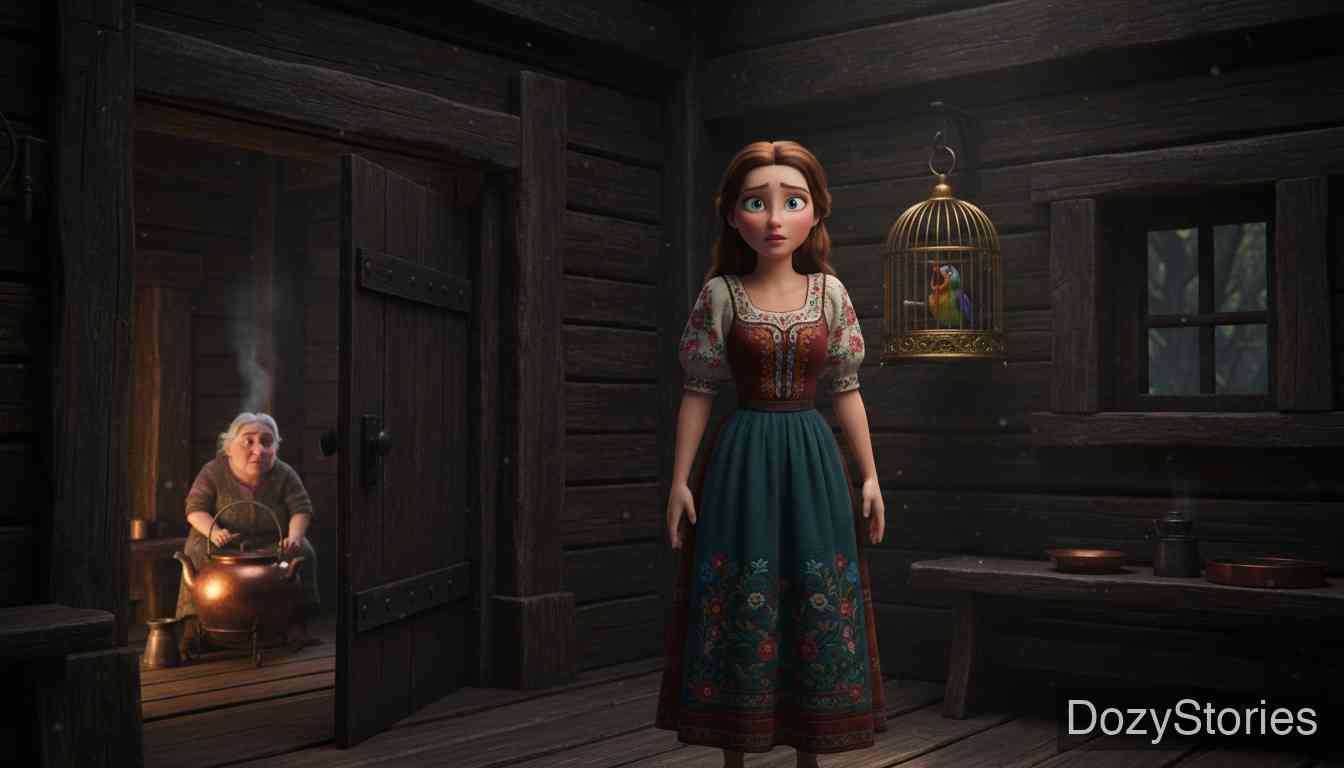
It stood in the darkest part of the wood, cold and unwelcoming.
那里孤零零立着一所房子,又冷清又不像住人的地方。
A room under a house, used for storing things.
地窖;地下室。
At last she came down to the cellar.
最后她寻到地窖,看见一位老婆婆坐在那里打盹。
A hidden place where wild animals or bad people stay.
兽穴;贼窝。
This is the den of a gang of robbers.
这是一伙强盗的窝,专干杀人越货的勾当。
Kindness shown to someone you have power over.
慈悲;宽恕。
Once they get their hands on you, they will show no mercy.
你一旦落到他们手里,他们可不会手下留情。
Breathed out slowly and quietly to show sadness or worry.
叹气;叹息。
The old woman opened her eyes and sighed.
老婆婆睁开眼,叹了口气。
Pulled someone or something along with effort.
拖;拽。
They dragged a young woman with them, and she was crying and begging for help.
他们拖着一个哭喊的年轻女子。
Cut something with a quick, hard blow.
砍;剁。
The ring would not come off, so he took an axe and chopped off the finger.
那戒指褪不下来,他便抄起斧子砍了下去。
Breathing with a loud noise while sleeping.
打鼾;打呼噜。
Soon the robbers lay on the cellar floor, snoring like bears.
不多时,一个个便东倒西歪,躺在地窖里呼呼大睡。
New young plants growing out of the ground.
嫩芽;新枝。
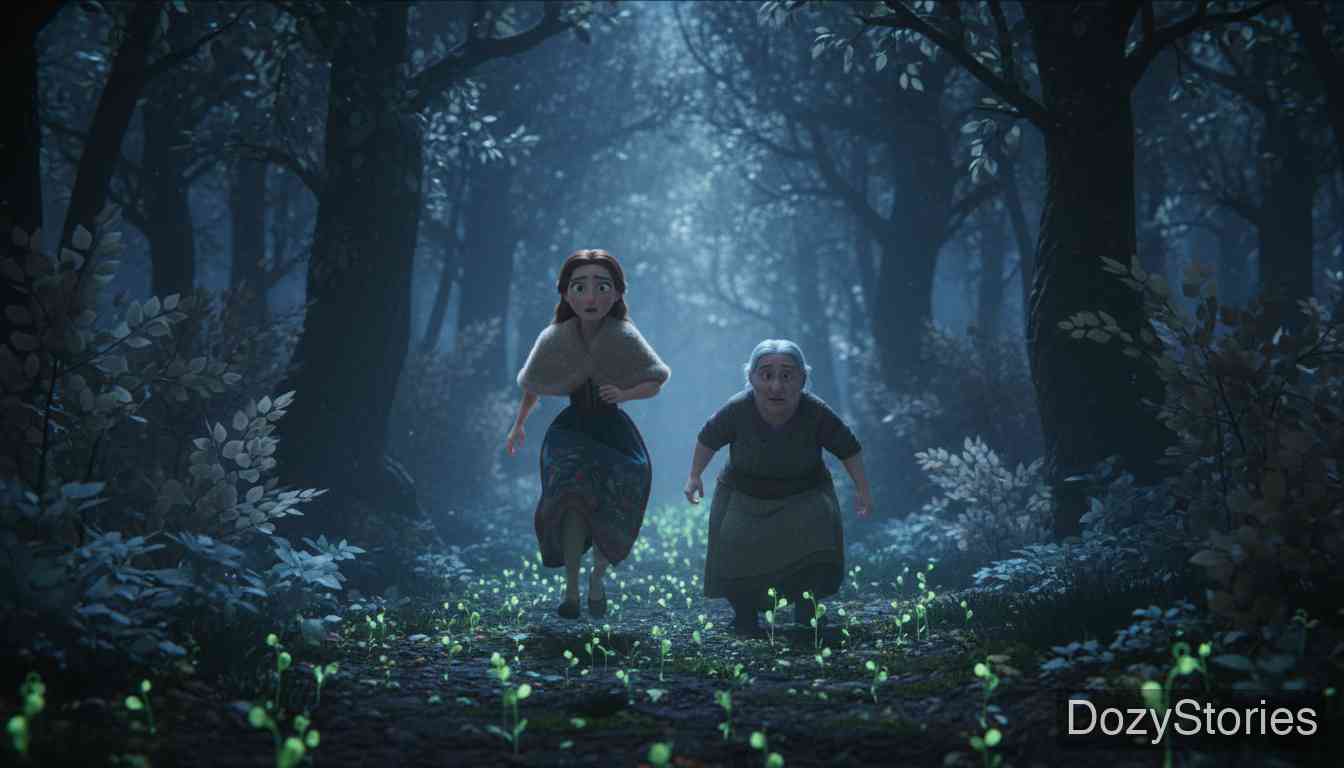
But the peas and lentils had grown into young shoots, and the moonlight on the green leaves showed them the way home.
可姑娘撒下的豌豆和扁豆已经生根发芽,月光照在嫩芽上,一路亮晶晶的,正指着回家的方向。
Very bad and evil.
邪恶的;心肠坏的。
And the old saying came true: a wicked heart cannot hide forever, and a quiet mind can beat the strongest enemy.
从此以后,人人都说:坏心肠藏得了一时,藏不了一世;安安静静的巧心思,反倒胜过天大的力气。
Reading Together & Learning More
The Moral
Guard against harm, even from a smiling face. When your heart feels cold, keep your wits about you, for no wicked man can beat a calm and clever mind.
Educational Value
Children learn to listen to uneasy feelings, to stay calm in danger, and to win with a quiet, clever plan instead of panic or force.
Tips for Parents
This tale has dark scenes of violence, so read it together and focus on the heroine's courage and clever mind. After reading, ask your child: if your heart feels uneasy, will you speak up and prepare quietly? You can also compare it with Hansel and Gretel: why are beans more reliable than breadcrumbs?
Talk About It
- From the very start the girl felt a chill in her heart, but she could not say why. Should we trust a worry that has no clear reason? Have you ever felt something like that?
- The robber marked the path with ashes, and the girl marked it with beans. Why did the ashes blow away while the beans grew and pointed the way home at night?
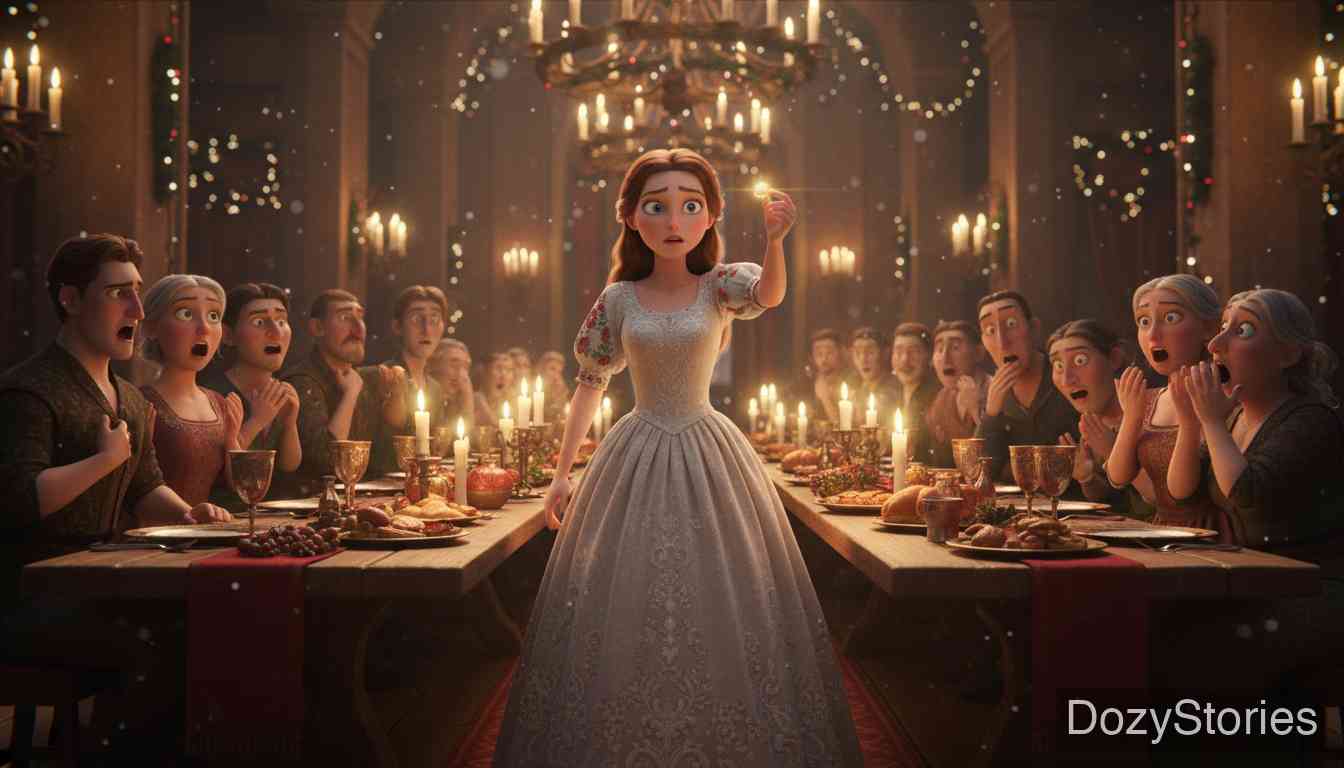
- At the feast the girl did not shout and point at the groom. She told a “dream” instead and let the truth come out step by step. Why did she choose this way? What would you have done?
- The old woman's small lie, “A finger cannot grow legs and run away,” saved them. Why is knowing how to use words sometimes stronger than using force?
- The story ends with the wicked men punished. Do you believe that bad deeds always bring bad ends? Tell us what you think.