The Riddle

Introduction

This is a battle-of-wits tale built around a riddle. The prince's riddle — 'One slew none, and yet slew twelve' — is a special kind called a 'neck-riddle' (because failing to solve it costs your head): its answer lies hidden in a private experience only the riddler has lived through, so it cannot be solved by cleverness alone. The most famous neck-riddle in the West is Samson's in the Bible: 'Out of the eater came forth meat, out of the strong came forth sweetness' (about honey he found in a lion's carcass). The plot here is as neat as falling dominoes: the witch's poison kills the horse, the horse kills the raven that pecks it, and the raven's soup kills the twelve robbers — 'one raven' links the whole chain of cause and effect. The proud princess who sets riddles and beheads those who fail (nine have already died) belongs to the same family as the princess in Puccini's famous opera Turandot. And the prince wins not only by his clever riddle but thanks to a loyal, quick-witted servant (who sleeps in his master's bed and catches the spies). As you read, ask your child: why is this riddle impossible to guess no matter how clever you are? How is it different from an ordinary riddle?

Font Size
Image Layout
1 / 15
Stopped
There was once a King's son who was seized with a desire to travel about the world, and took no one with him but a faithful servant. One day he came to a great forest, and when darkness overtook him he could find no shelter, and knew not where to pass the night. Then he saw a girl who was going towards a small house, and when he came nearer, he saw that the maiden was young and beautiful.
He spoke to her, and said, "Dear child, can I and my servant find shelter for the night in the little house?" - "Oh, yes," said the girl in a sad voice, "that you certainly can, but I do not advise you to venture it. Do not go in." - "Why not?" asked the King's son. The maiden sighed and said, "My step-mother practises wicked arts; she is ill-disposed toward strangers."
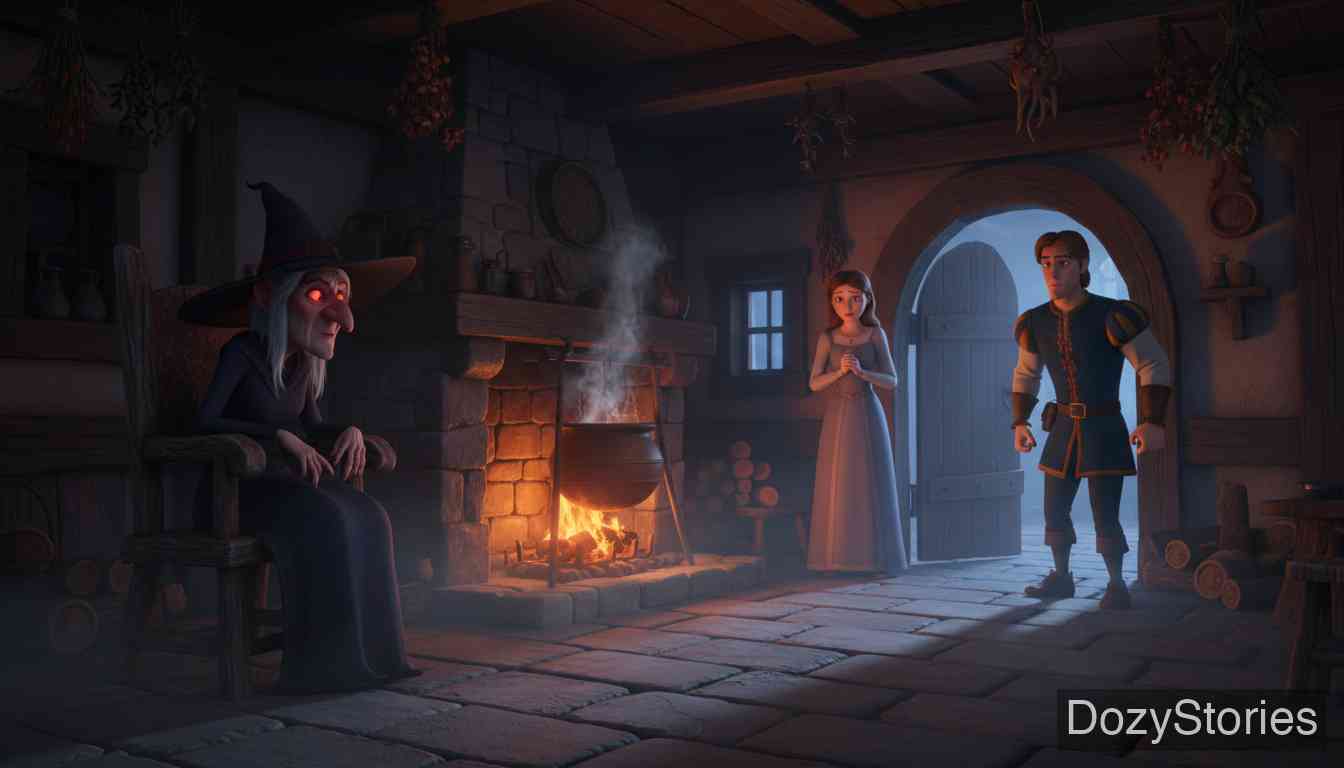
Then he saw very well that he had come to the house of a witch, but as it was dark, and he could not go farther, and also was not afraid, he entered. The old woman was sitting in an armchair by the fire, and looked at the stranger with her red eyes. "Good evening," growled she, and pretended to be quite friendly. "Take a seat and rest yourselves." She blew up the fire on which she was cooking something in a small pot. The daughter warned the two to be prudent, to eat nothing, and drink nothing, for the old woman brewed evil drinks. They slept quietly until early morning.
When they were making ready for their departure, and the King's son was already seated on his horse, the old woman said, "Stop a moment, I will first hand you a parting draught." Whilst she fetched it, the King's son rode away, and the servant who had to buckle his saddle tight, was the only one present when the wicked witch came with the drink. "Take that to your master," said she.
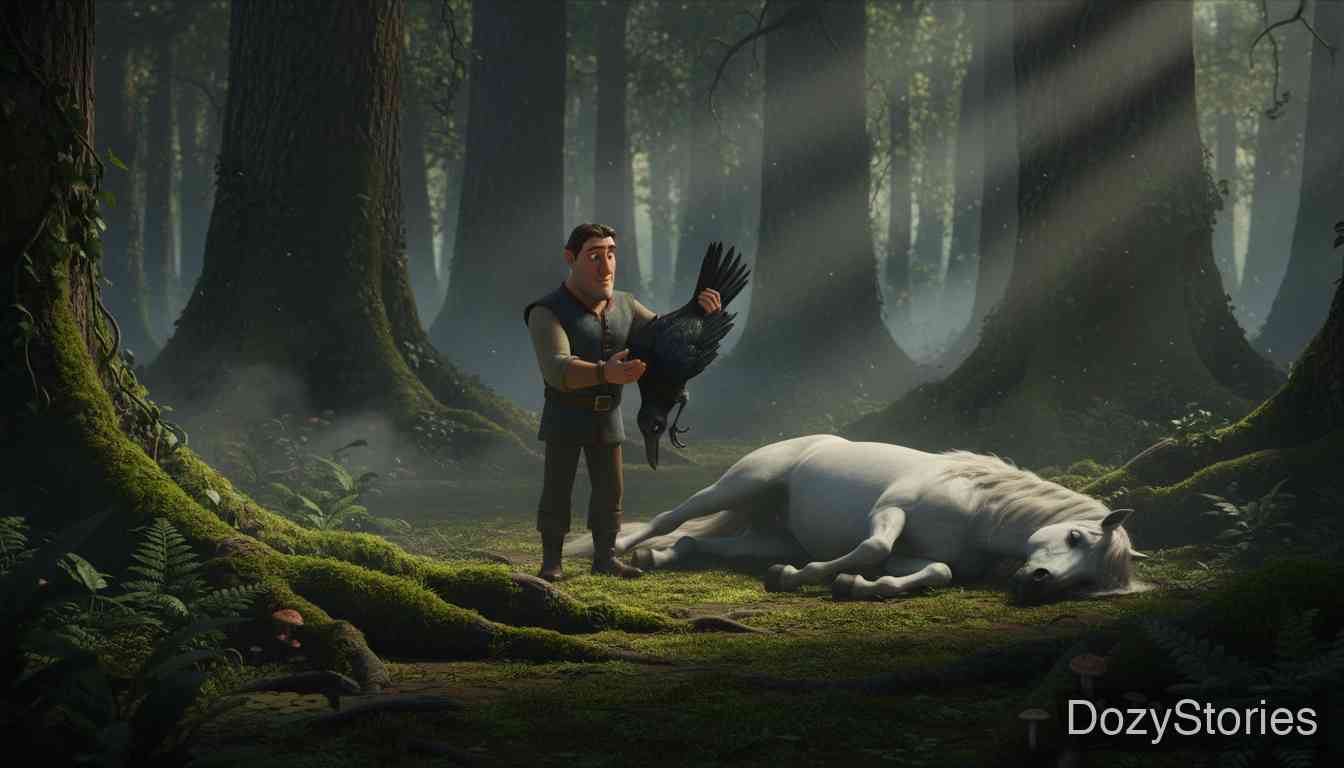
But at that instant the glass broke and the poison spirted on the horse, and it was so strong that the animal immediately fell down dead. The servant ran after his master and told him what had happened, but would not leave his saddle behind him, and ran back to fetch it. When, however, he came to the dead horse a raven was already sitting on it devouring it.
"Who knows whether we shall find anything better to-day?" said the servant; so he killed the raven, and took it with him. And now they journeyed onwards into the forest the whole day, but could not get out of it.
By nightfall they found an inn and entered it. The servant gave the raven to the innkeeper to make ready for supper. They had, however, stumbled on a den of murderers, and during the darkness twelve of these came, intending to kill the strangers and rob them.
Before they set about this work, they sat down to supper, and the innkeeper and the witch sat down with them, and together they ate a dish of soup in which was cut up the flesh of the raven. Hardly, however, had they swallowed a couple of mouthfuls, before they all fell down dead, for the raven had communicated to them the poison from the horse-flesh. There was no no one else left in the house but the innkeeper's daughter, who was honest, and had taken no part in their godless deeds.
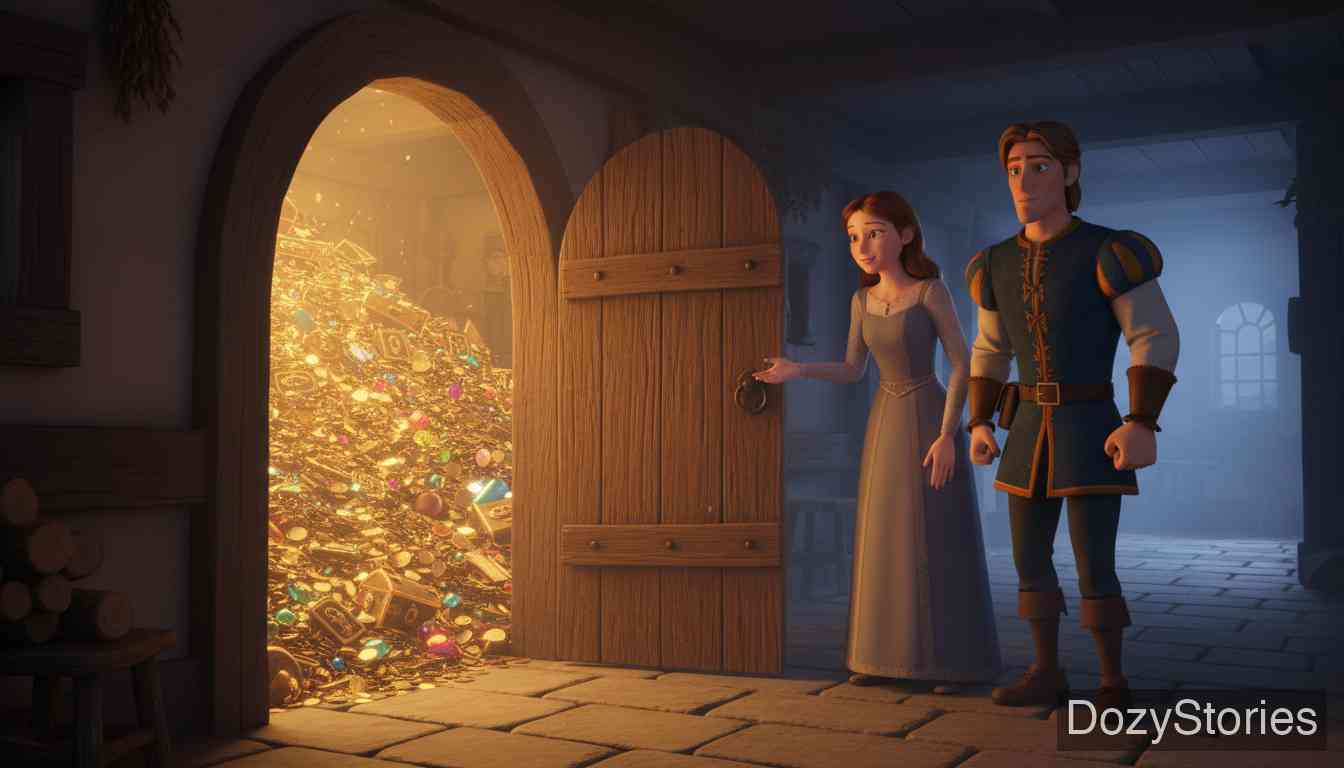
She opened all doors to the stranger and showed him the heaped-up treasures. But the King's son said she might keep everything, he would have none of it, and rode onwards with his servant.
After they had traveled about for a long time, they came to a town in which was a beautiful but proud princess, who had caused it to be proclaimed that whosoever should set her a riddle which she could not guess, that man should be her husband; but if she guessed it, his head must be cut off. She had three days to guess it in, but was so clever that she always found the answer to the riddle given her, before the appointed time. Nine suitors had already perished in this manner, when the King's son arrived, and blinded by her great beauty, was willing to stake his life for it.
Then he went to her and laid his riddle before her. "What is this?" said he, "One slew none, and yet slew twelve." She did not know what that was, she thought and thought, but she could not find out, she opened her riddle-books, but it was not in them -- in short, her wisdom was at an end. As she did not know how to help herself, she ordered her maid to creep into the lord's sleeping-chamber, and listen to his dreams, and thought that he would perhaps speak in his sleep and discover the riddle.
But the clever servant had placed himself in the bed instead of his master, and when the maid came there, he tore off from her the mantle in which she had wrapped herself, and chased her out with rods. The second night the King's daughter sent her maid-in-waiting, who was to see if she could succeed better in listening, but the servant took her mantle also away from her, and hunted her out with rods.
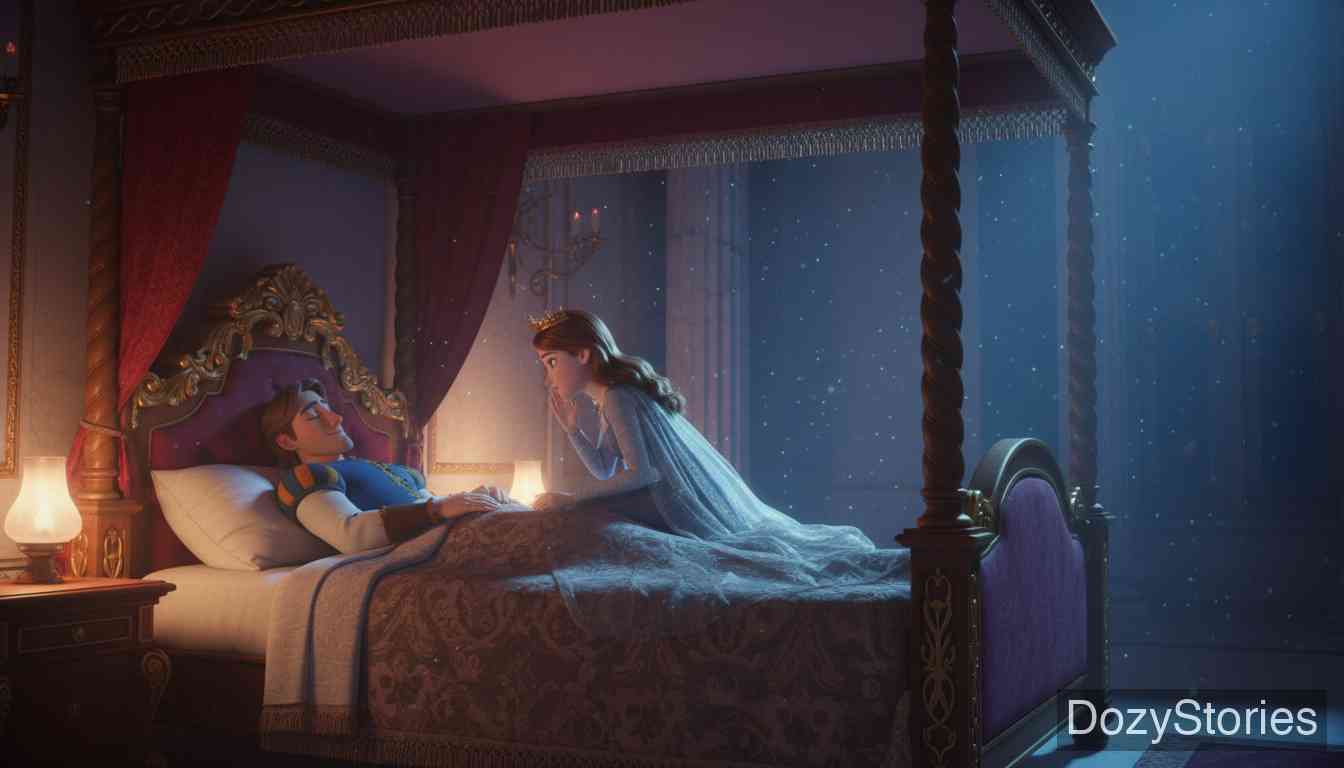
Now the master believed himself safe for the third night, and lay down in his own bed. Then came the princess herself, and she had put on a misty-grey mantle, and she seated herself near him. And when she thought that he was asleep and dreaming, she spoke to him, and hoped that he would answer in his sleep, as many do, but he was awake, and understood and heard everything quite well.
Then she asked, "One slew none, what is that?" He replied, "A raven, which ate of a dead and poisoned horse, and died of it." She inquired further, "And yet slew twelve, what is that?" He answered, "That means twelve murderers, who ate the raven and died of it."
When she knew the answer to the riddle she wanted to steal away, but he held her mantle so fast that she was forced to leave it behind her. Next morning, the King's daughter announced that she had guessed the riddle, and sent for the twelve judges and expounded it before them. But the youth begged for a hearing, and said, "She stole into my room in the night and questioned me, otherwise she could not have discovered it." The judges said, "Bring us a proof of this." Then were the three mantles brought thither by the servant, and when the judges saw the misty-grey one which the King's daughter usually wore, they said, "Let the mantle be embroidered with gold and silver, and then it will be your wedding-mantle.

Vocabulary from "The Riddle"

12 key words from this story with definitions and original context sentences for language learners.

faithfulB1
/ˈfeɪθfl/adj.

Loyal and true to someone.

忠诚的;忠实的。

There was once a King's son who was seized with a desire to travel about the world, and took no one with him but a faithful servant.

从前有一位王子,因为渴望周游世界,便只带了一名忠诚的仆人出发了。

overtook(overtake)B2
/ˌəʊvəˈtʊk/v.

Came upon or caught up with someone suddenly.

(黑夜、天气等)突然降临;赶上。

When darkness overtook him he could find no shelter, and knew not where to pass the night.

当夜幕降临时,他找不到栖身之所,也不知道该在哪里过夜。

shelterB2
/ˈʃeltə/n.

A place that gives protection, especially from weather or danger.

庇护所;栖身之处;遮蔽。

Dear child, can I and my servant find shelter for the night in the little house?

亲爱的孩子,我和我的仆人能在小房子里借宿一晚吗?

brewed(brew)B2
/bruːd/v.

Prepared a drink by boiling or mixing; here, cooked up an evil potion.

熬制;调制(饮料、药水)。

The daughter warned the two to be prudent, to eat nothing, and drink nothing, for the old woman brewed evil drinks.

女儿警告那两人要小心,什么都别吃、别喝,因为老太婆煮的是害人的毒药。

draughtC1
/drɑːft/n.

A drink, especially a measured amount of medicine or potion (old-fashioned).

(一饮而尽的)一剂饮料;一服药(旧式用法)。

Stop a moment, I will first hand you a parting draught.

等一下,我要先给你一杯临别饮料。

buckleB2
/ˈbʌkl/v.

To fasten something with a buckle or strap.

扣紧;系上(扣带)。

The servant who had to buckle his saddle tight was the only one present when the wicked witch came with the drink.

只有负责勒紧马鞍的仆人还在场,这时邪恶的女巫拿着饮料来了。

denB2
/den/n.

A hidden place where wild animals or criminals live.

(野兽的)巢穴;(罪犯的)窝点。

They had, however, stumbled on a den of murderers, and during the darkness twelve of these came.

然而,他们误入了一个杀人魔窟,在夜色中,十二个强盗回来了。

godlessC1
/ˈɡɒdləs/adj.

Wicked; without respect for God or goodness.

邪恶的;不敬神的;伤天害理的。

There was no one else left in the house but the innkeeper's daughter, who was honest, and had taken no part in their godless deeds.

房子里只剩下店主的女儿,她是个诚实的人,没有参与那些伤天害理的勾当。

stakeB2
/steɪk/v.

To risk something valuable on the result of something.

以……作赌注;拿……冒险。

The King's son arrived, and blinded by her great beauty, was willing to stake his life for it.

王子到了,被她的美貌迷住了,愿意为此赌上性命。

mantleC1
/ˈmæntl/n.

A loose cloak worn over the shoulders.

斗篷;披风。

Then came the princess herself, and she had put on a misty-grey mantle, and she seated herself near him.

这时公主亲自来了,她披着一件雾灰色的披风,坐在他身边。

expounded(expound)C1
/ɪkˈspaʊndɪd/v.

Explained something in detail.

详细说明;阐释。

The King's daughter announced that she had guessed the riddle, and sent for the twelve judges and expounded it before them.

公主宣布她猜出了谜语,并叫来十二位法官,当着他们的面解释了谜语。

embroidered(embroider)B2
/ɪmˈbrɔɪdəd/v.

Decorated cloth by sewing patterns onto it with thread.

刺绣;在……上绣花。

Let the mantle be embroidered with gold and silver, and then it will be your wedding-mantle.

把这件披风绣上金银,它将成为你们的结婚礼服。

Reading Together & Learning More

The Moral

Wit, courage, and a loyal companion together overcome pride and danger; what truly stumps an opponent often comes from what one has lived through.

Educational Value

Trains children's logic and cause-and-effect thinking (following the 'horse → raven → robbers' chain), and shows the value of wit, courage, and loyal friendship.

Tips for Parents

Working out the riddle 'one slew none, and yet slew twelve' step by step with your child is a great logic game. You can also make up your own 'neck-riddles' that only you know the answer to.

Talk About It

  1. The prince's answer is hidden in a chain of things he lived through, so no one could ever guess it. Is such a riddle 'fair'? How is it special compared with an ordinary riddle?
  2. The 'horse → raven → robbers' chain of poisoning is like falling dominoes. Can you explain that chain of cause and effect, link by link?
  3. After losing, the princess crept into the prince's room to steal the answer, and he kept her mantle as proof. Do you think what she did was right?
  4. The prince won with big help from his loyal, clever servant. How important is a good helper or friend?