The Louse and the Flea
Introduction
'The Louse and the Flea' is the thirtieth tale of the Brothers Grimm and a true chain tale (in German, Kettenmärchen, also called a cumulative tale). Its rule is delightfully simple: one small thing leads to the next, and every new character must recite the whole story so far before adding its own link, so the list grows like a snowball. That snowball is the whole secret of its fun and of why children remember it so easily. We retell it here in the manner of a Chinese fable because this story already carries the bones of folk wisdom: it is short, lively, and one link pulls the next, just like the old saying that one word spreads from ten mouths to a hundred, or that a tug on one hair moves the whole body. When the city gate catches fire, the fish in the moat suffer too — and here, a louse's tiny burn ends by drowning the whole world. Reading aloud is the best way to enjoy it: let the family take turns, and see who can recite the growing list in a single breath. Then, after the laughter, ask the child a quiet question: when a small thing goes wrong, should we creak like the door, or stop and think first?
Vocabulary from "The Louse and the Flea"
12 key words from this story with definitions and original context sentences for language learners.
Made beer, or made a drink like tea by soaking things in hot water.
酿造(啤酒);煮(茶)。
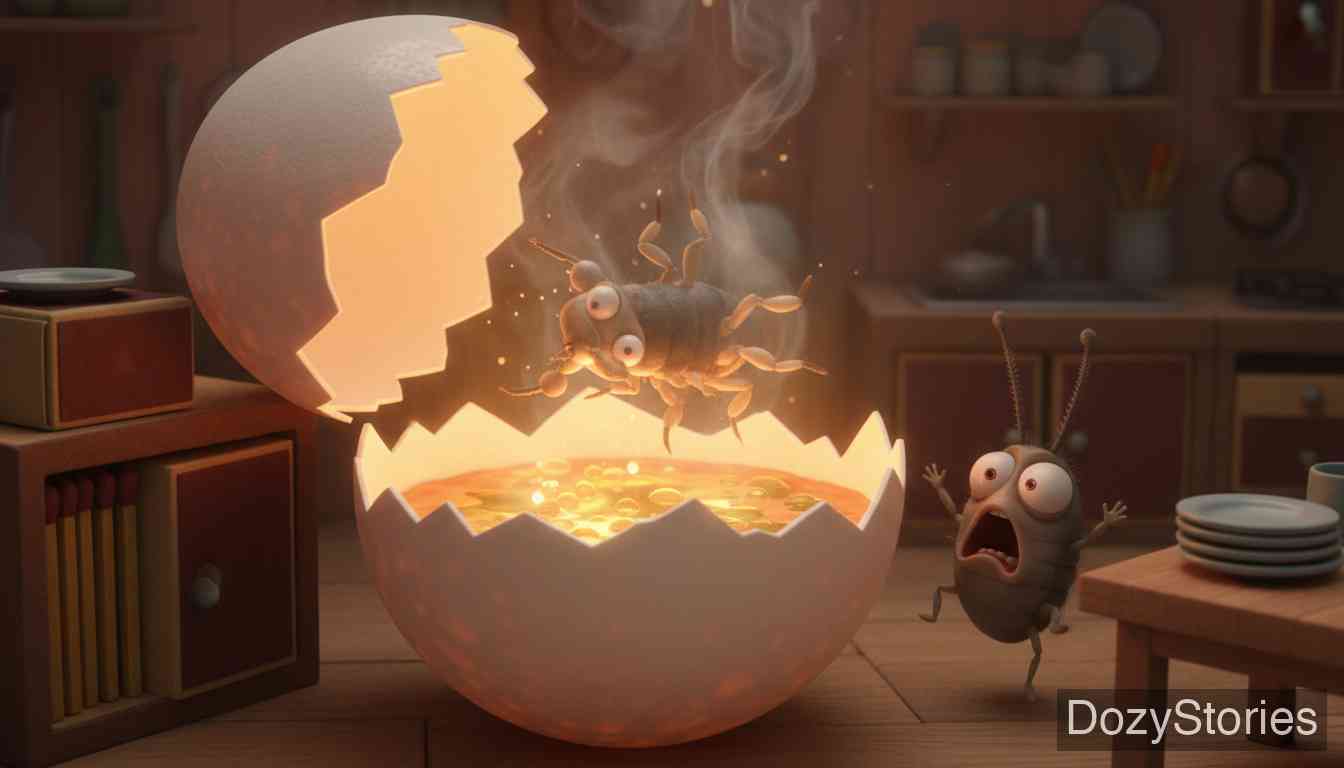
One day they brewed beer in an eggshell.
这一日,她们用半个蛋壳酿啤酒。
Burned with very hot liquid or steam.
被滚烫的液体或蒸汽烫伤。
She scalded herself and let out a cry.
虱子探头去看酒滚了没有,脚下一滑,扑通一声栽进滚烫的酒里,把自己烫伤了。
To make a long, sharp noise, like an old door.
吱呀作响(旧门发出的声音)。
"Then I shall creak," said the door, and it creaked away.
“那我就吱呀作响吧,”门说着,果真吱呀吱呀响了起来。
Crying, usually with soft tears.
哭泣;流泪。
"The louse has scalded herself, and the flea is weeping."
“虱子烫伤了,跳蚤哭个不停呢。”
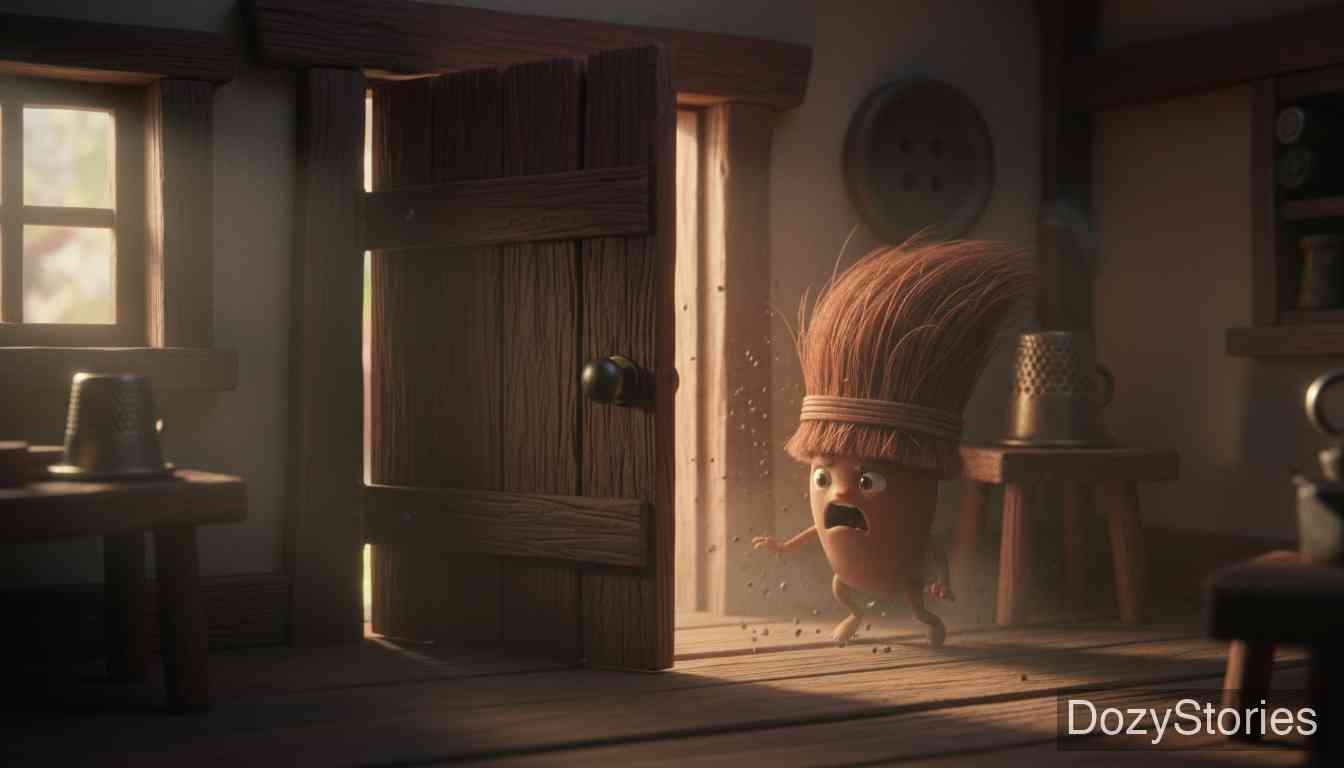
Cleaning a floor with a brush.
扫地;清扫。
"The louse has scalded herself, the flea is weeping, the door is creaking, and the broom is sweeping."
“虱子烫伤了,跳蚤哭个不停,这会儿门还吱呀作响呢。”
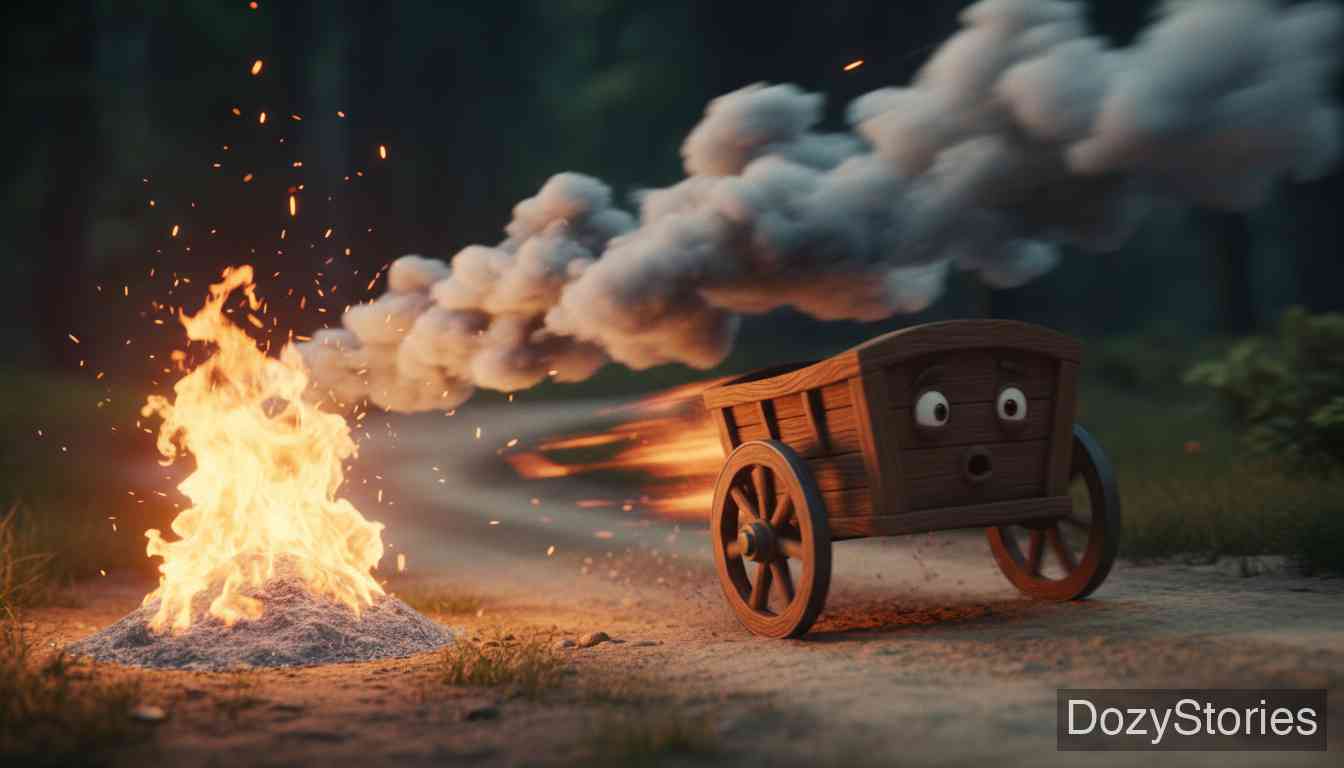
Moving very fast, as if in a race.
飞奔;疾驰。
"The louse has scalded herself, the flea is weeping, the door is creaking, the broom is sweeping, and the cart is racing away."
“虱子烫伤了,跳蚤哭个不停,门吱呀作响,扫帚扫个没完,小车跑得飞快。”
To start doing something suddenly, with great force.
猛地(燃起);突然爆发。
"Then I shall burn," said the heap of ashes, and it burst into bright flames that rose high into the air.
“那我便烧起来吧,”灰堆说着,腾地燃起熊熊大火,火苗窜得老高。
Moved quickly from side to side.
摇动;抖动(shake 的过去式)。
"Then I shall shake myself," said the tree, and it shook until every leaf fell to the ground.
“那我便抖一抖吧,”小树说着,抖得满树叶子簌簌落了一地。
A container with a handle, used for carrying water.
水罐;水壶。
A girl came by with a water jug, saw the bare tree, and asked, "Little tree, why do you shake?"
一个姑娘提着水罐路过,见了光秃秃的小树,问道:“小树呀,你抖什么?”
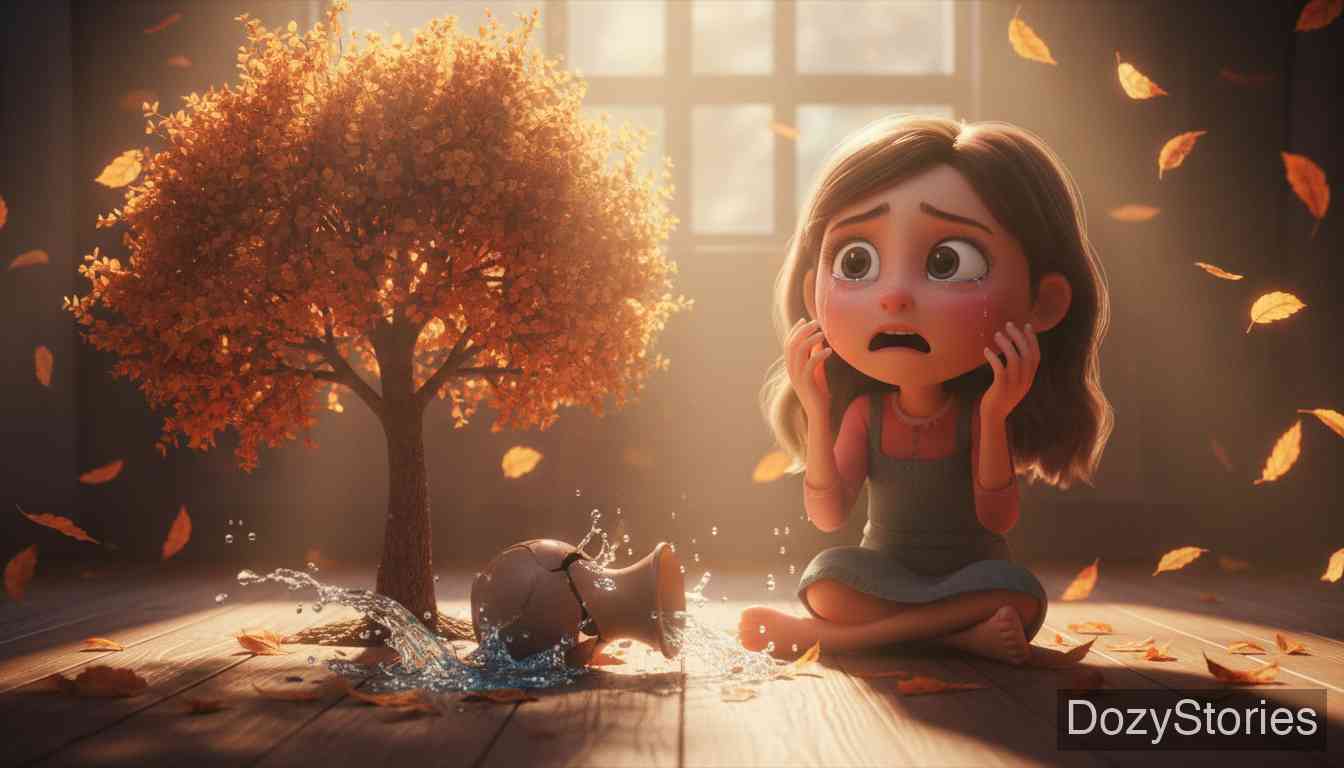
Broke something into pieces with force.
用力砸碎;打碎。
"Then I shall break my jug," said the girl, and she smashed it on the ground.
“那我便摔了这水罐吧,”姑娘说着,把罐子往地上一摔。
A place where water comes up out of the ground.
泉;泉眼。
The little spring that gave the water asked her, "Girl, why have you broken your jug?"
那眼供水的小泉问道:“姑娘,你摔罐子做什么?”
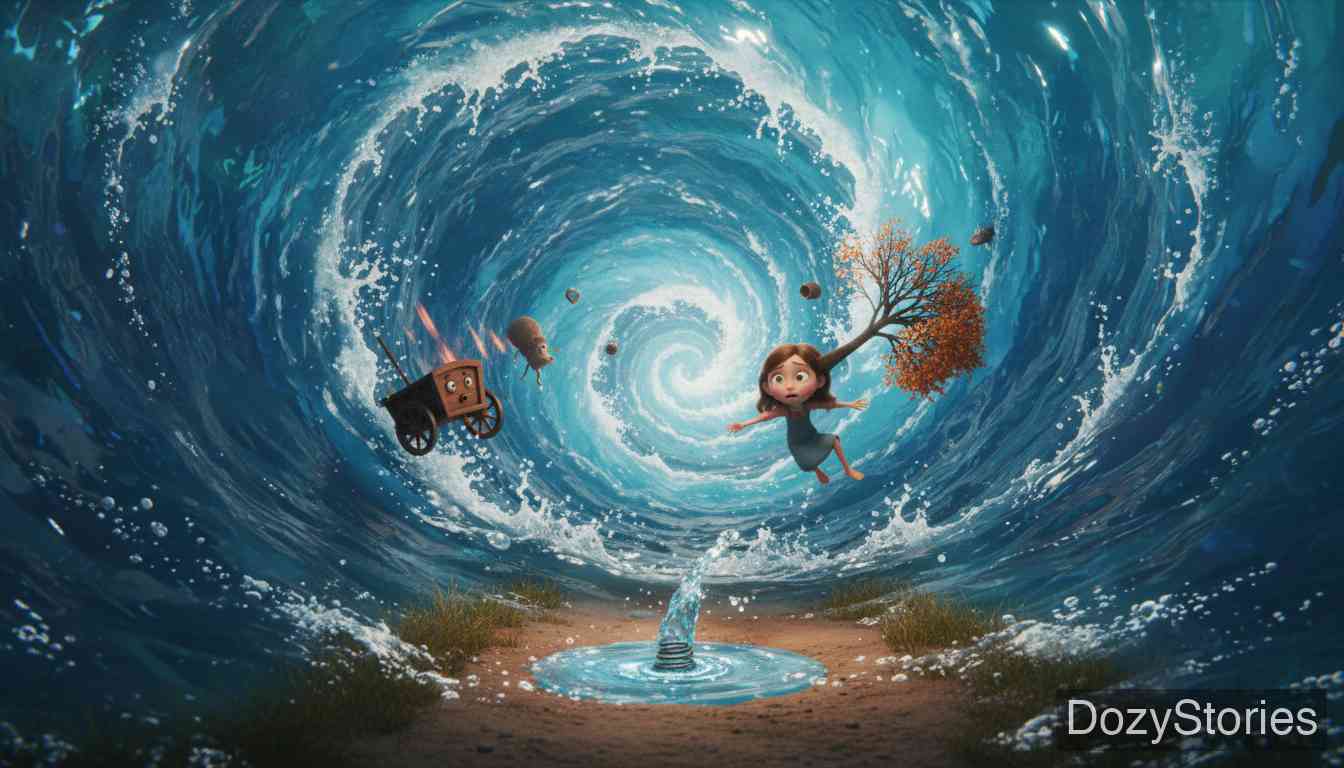
To move along smoothly, like water.
流动;奔涌(水流)。
"Oho," said the spring, "then I shall flow."
“哦嗬,”泉水说,“那我便流吧。”
Reading Together & Learning More
The Moral
One small mishap, passed from one to another, can grow into a great disaster. Do not overreact to small troubles, or you will make a mountain out of a molehill.
Educational Value
This tale is a perfect example of a chain tale, or cumulative tale: every character repeats the whole list from the start and then adds its own link, so the sentence grows like a snowball — a natural workout for memory and language feel. After the laughter, children can also see that small troubles grow when everyone overreacts, and that staying calm beats passing panic on.
Tips for Parents
This short, repetitive tale rolls off the tongue, so take turns reading it aloud: you read a line, your child reads the next, and see who can recite the ever-growing list in one breath. The ending, where the flood drowns everyone, is the old rule of such cumulative tales — treat it as an exaggerated joke and read past it with a smile. When you finish, ask your child: if you were the spring and heard the news, would you flow too?
Talk About It
- The whole disaster starts with one louse burning herself. Who do you think is to blame — the louse, or every character that cried "Why should I not?"
- The door thinks it is fine to creak, and the broom thinks it is fine to sweep. Do you know people who act like this and make small things grow big?
- Every character repeats the growing list. If you could add one more link to the chain, who would come next, and what wild thing would they do?
- If you were the spring, and the girl told you the whole long story, would you flow or stay still? Why?
- Nobody in this tale ever stops to think. Do you find it hard to stop and think? When is the best time to do it?