The King of the Golden Mountain
Introduction
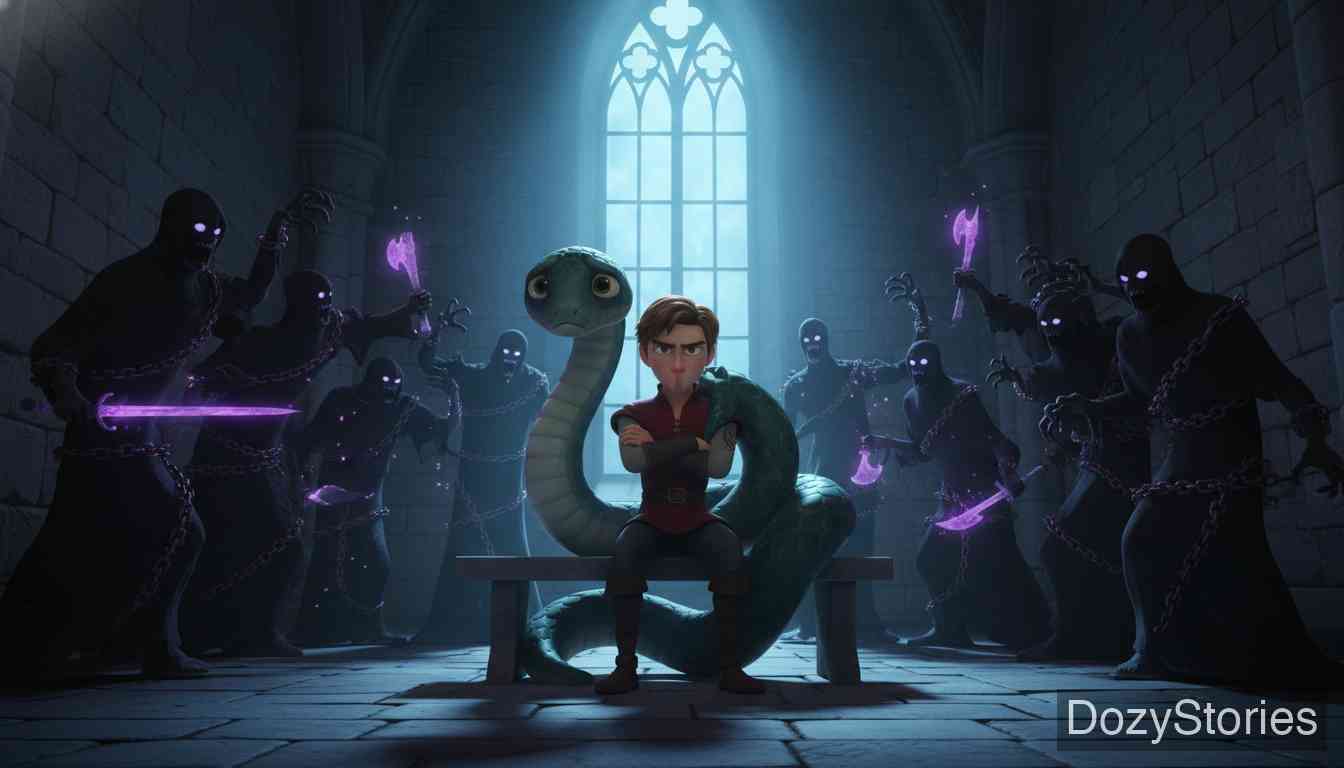
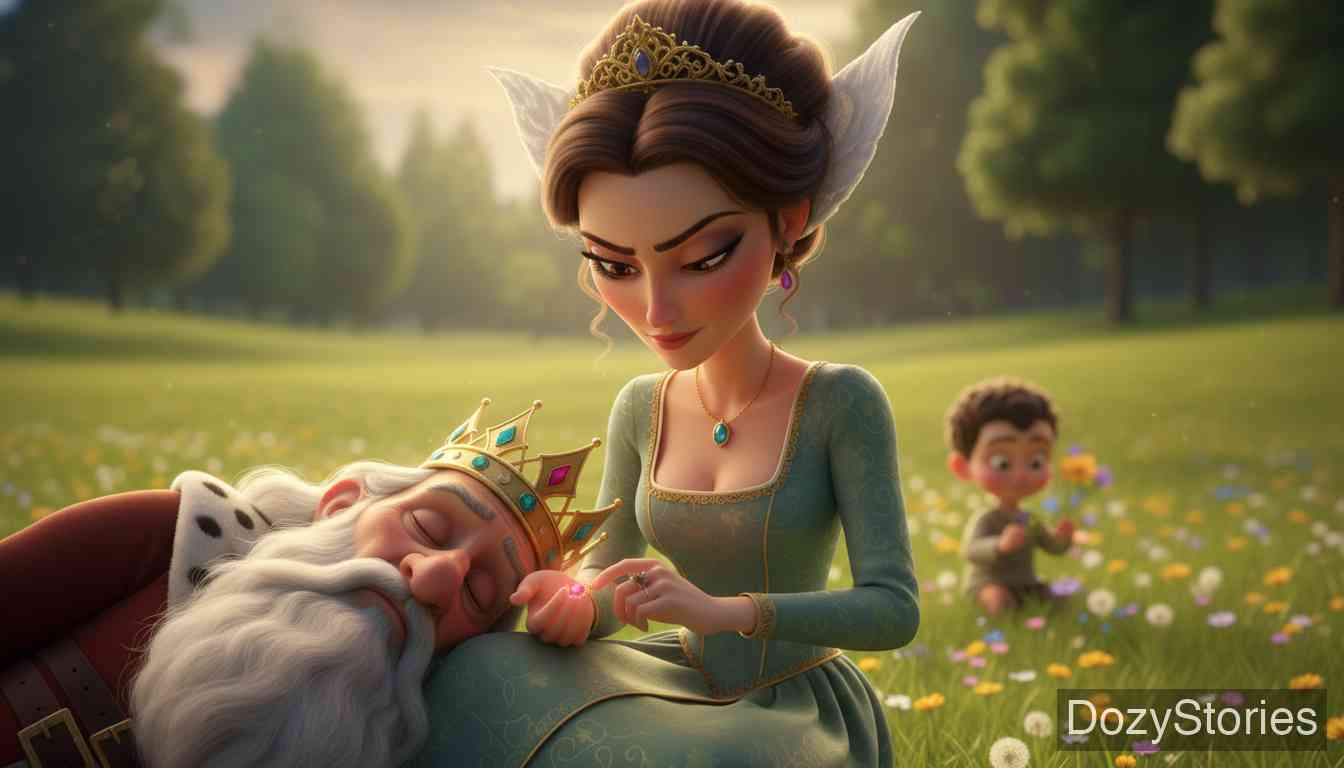
This tale comes from the Brothers Grimm, and we have retold it as a fable because its heart is already a Chinese-style lesson: words spoken carelessly cost dearly. The father's hasty promise and the son's angry outburst both grow, like seeds, into the very disasters they feared, which is exactly what the old saying "you reap what you sow" teaches. The young man who breaks the spell by keeping silent through three terrible nights also echoes the ancient advice to hold one's tongue and keep one's temper, while the cloak of invisibility and the boots that cross the world in a blink will remind many readers of Sun Wukong's transformations and cloud somersault in Journey to the West. The tale shows that even a hero can stumble: the young king wins his crown by courage, loses it again through one moment of temper, and wins it back by trickery. The original ending is raw and bloody, for the Grimms kept their tale unpolished, and that gives parents a fine chance to talk with children about where cleverness ends and trickery begins, and whether revenge can ever be called justice. As you read, pause at each turning point — the circle drawn in the field, the three nights of silence, the ring stolen in the night, the giants' three treasures — and ask your child to guess what one careless sentence might bring about next, and what he or she would have done in the young king's place.

Vocabulary from "The King of the Golden Mountain"
12 key words from this story with definitions and original context sentences for language learners.
A person who buys and sells goods to make money.
商人。
Long ago, a rich merchant lived by the sea.
从前,海边城里住着一位商人,家财万贯,膝下一儿一女。
The money you gain from trade after costs are paid.
利润;赚头。
He hoped for a splendid profit.
他指望这一趟赚回金山银山。
Very fine and beautiful.
华丽的;极好的。
The Queen sat on a royal seat in her splendid dress.
王后坐在宝座上,衣饰华贵。
A very small magical man in old stories.
小矮人;侏儒。
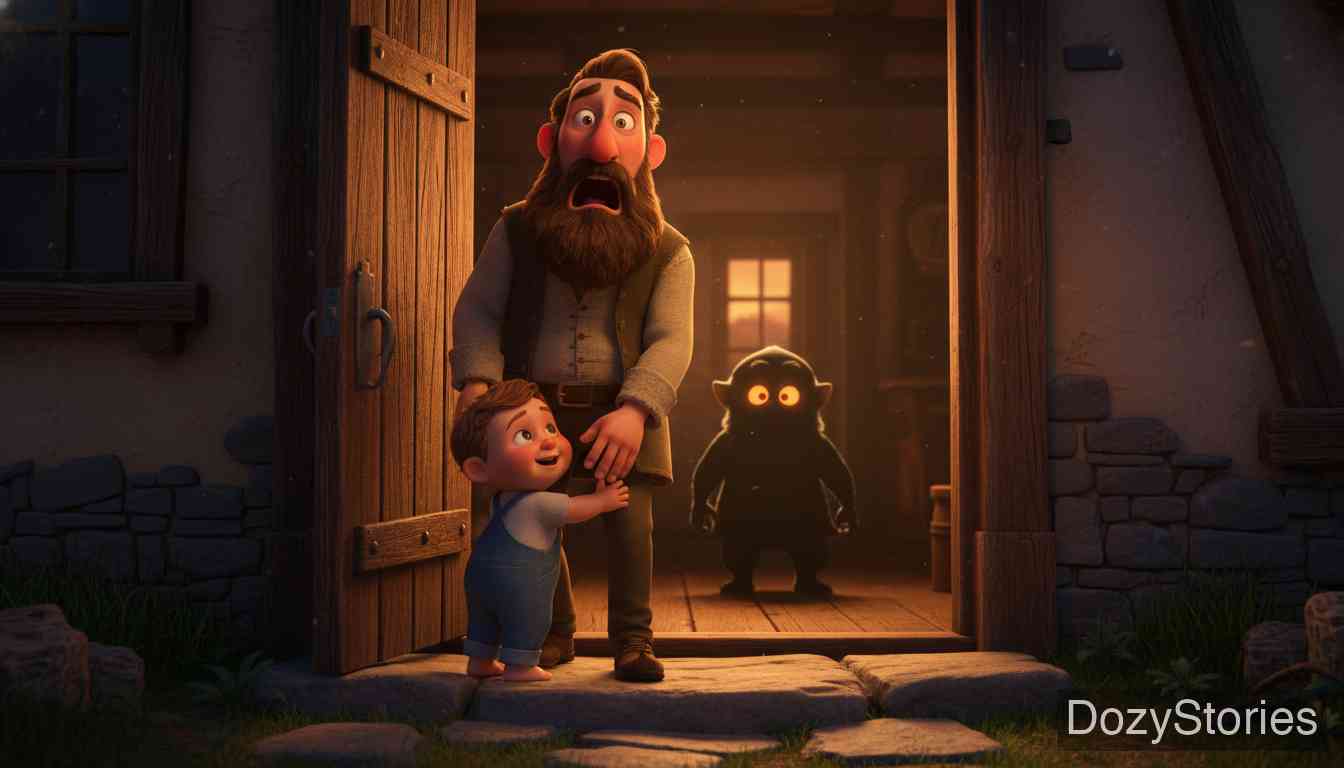
All at once a little black dwarf stood before him.
忽然,一个浑身漆黑的小矮人站到他跟前。
Walked unsteadily, as if about to fall.
踉踉跄跄;蹒跚。
His little son was so glad to see him that he held a bench, tottered over, and hugged his legs tight.
小儿子见他回来,乐得直拍手,扶着凳子踉踉跄跄扑过来,一把抱住他的腿。
The room just under the roof of a house.
阁楼。
A month later he went up to the attic to sell some old tin.
过了一个月,商人上阁楼收拾旧锡器,打算换几个钱。
Wound round and round into rings.
盘绕。
There a snake lay coiled on the floor.
走到最后一间,地板中央盘着一条蛇。
A person who saves someone from danger or trouble.
救命恩人;搭救者。
"You have come, my rescuer," said the snake.
“你来了,我的救命恩人!”
Hurt someone badly on purpose.
折磨。
Twelve black men tortured him that night.
这一夜果真来了十二个黑衣人,把他折磨到半夜。
A small red fruit that grows on bushes.
树莓;覆盆子。
"There is," said his mother. "Our son had a raspberry mark under his right arm."
母亲想了想:“有!我儿子右腋下有一块莓子样的胎记。”
Impossible to see.
隐形的;看不见的。
Second, a cloak: whoever put it on became invisible.
第二样是一件斗篷,谁披上谁就隐了形。
Property left by a person who has died.
遗产;家当。
Their old father had died and left them an inheritance, but they could not agree on how to divide it.
老巨人留下了一份家当,兄弟仨分不均,吵得不可开交。
Reading Together & Learning More
The Moral
Trouble comes from careless words. The father promises too quickly, and the son breaks his word in anger, and both pay a heavy price. True wisdom is thinking before you speak.
Educational Value
Children can learn that careless promises cost dearly and angry words bring trouble, and that patience, silence, and quick wits often beat brute force.
Tips for Parents
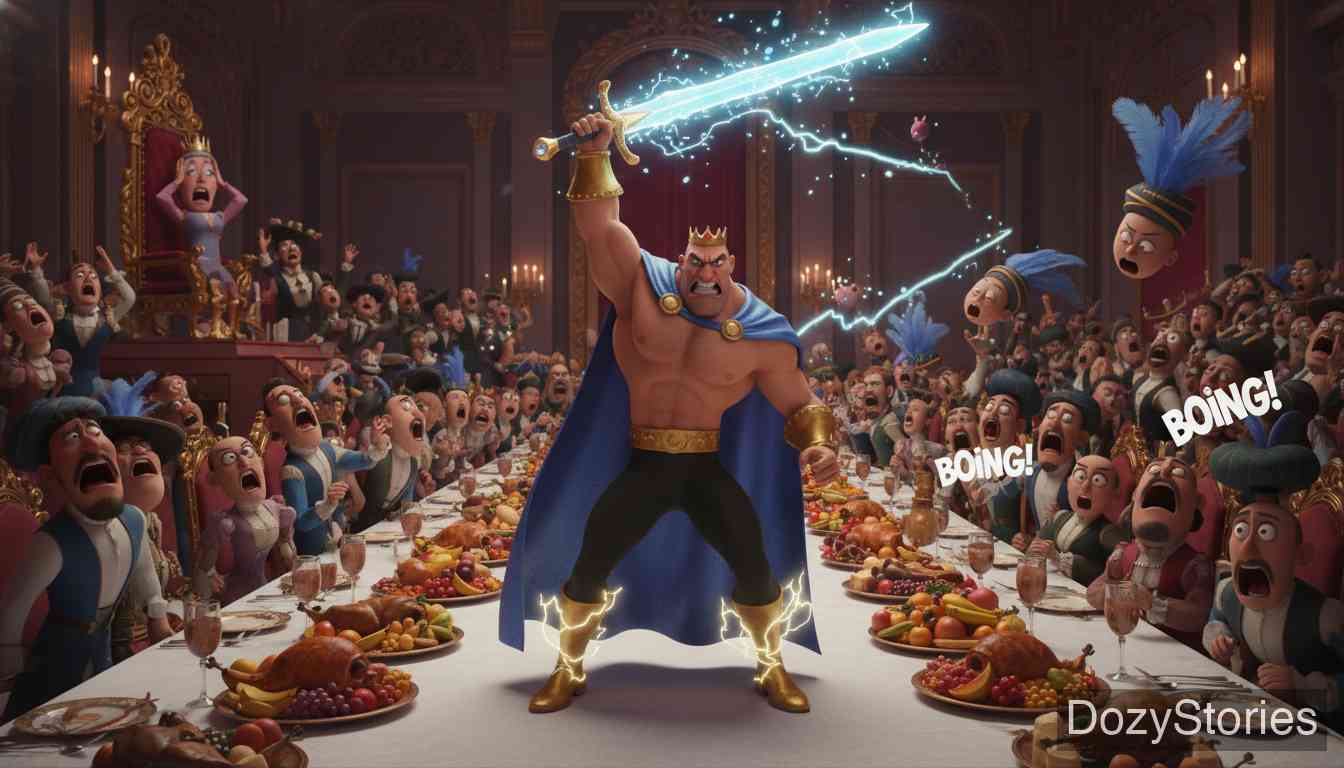
After reading, talk with your child about which careless words cost the father and the son so much. The Queen stole the ring only after the King broke his word first — who was wrong in the beginning? And at the end the King cuts off many heads with his sword: is violence ever the best way to win back justice?
Talk About It
- The father promised away "the first thing that rubs his leg" without knowing it was his own son. Why do grown-ups make such careless promises? What would you have said to the little dwarf?
- The King broke his promise to the Queen when he lost his temper. What was his mistake? Was the Queen too cruel when she stole the ring and left with their son?
- Three giants lost their treasures to one clever young man. Did they lose because they were weak, or because they were unwise? Does this story say that wits beat strength?
- The young man broke the castle spell by staying silent through three hard nights. What makes it hard to keep quiet? Can you think of a time when not speaking was the better choice?
- At the end, the King cuts off the heads of everyone in the hall. How does that ending make you feel? If you could rewrite it without violence, what would you change?