The Gold-Children
Introduction
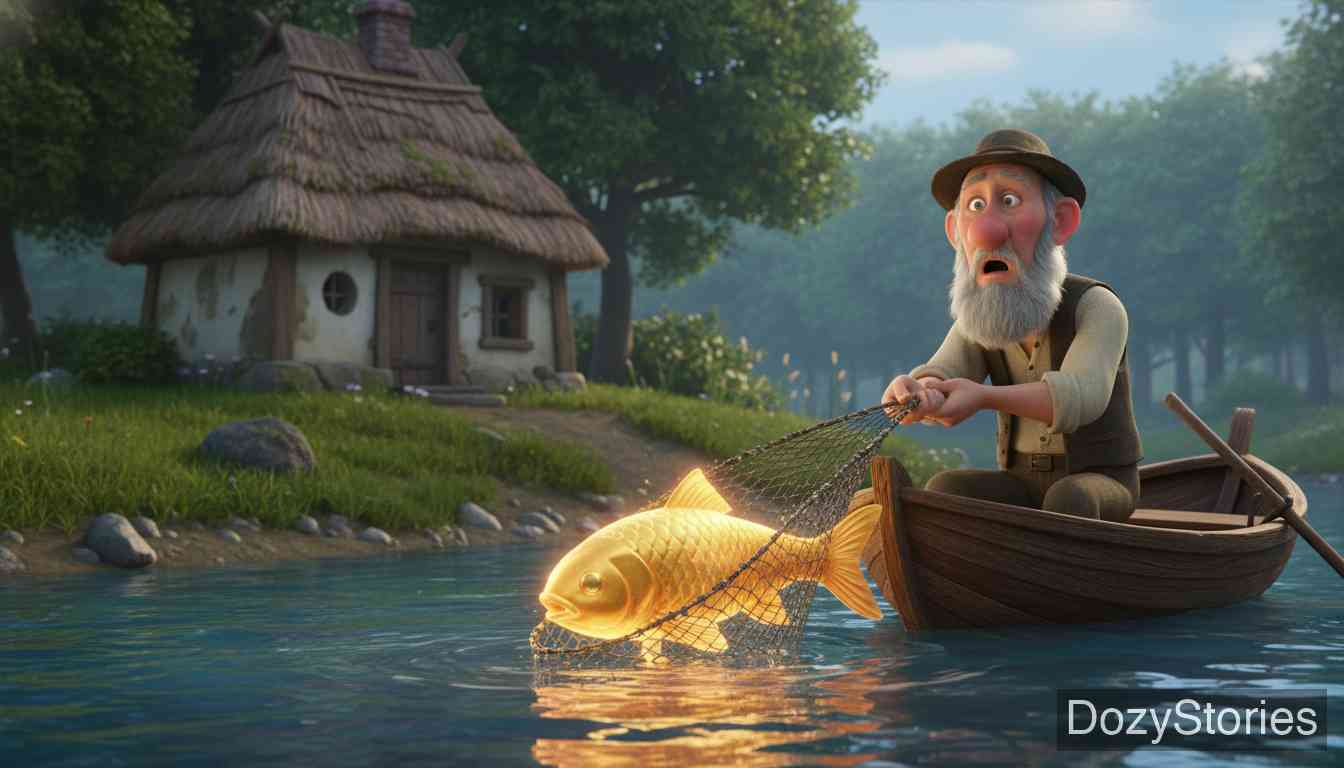
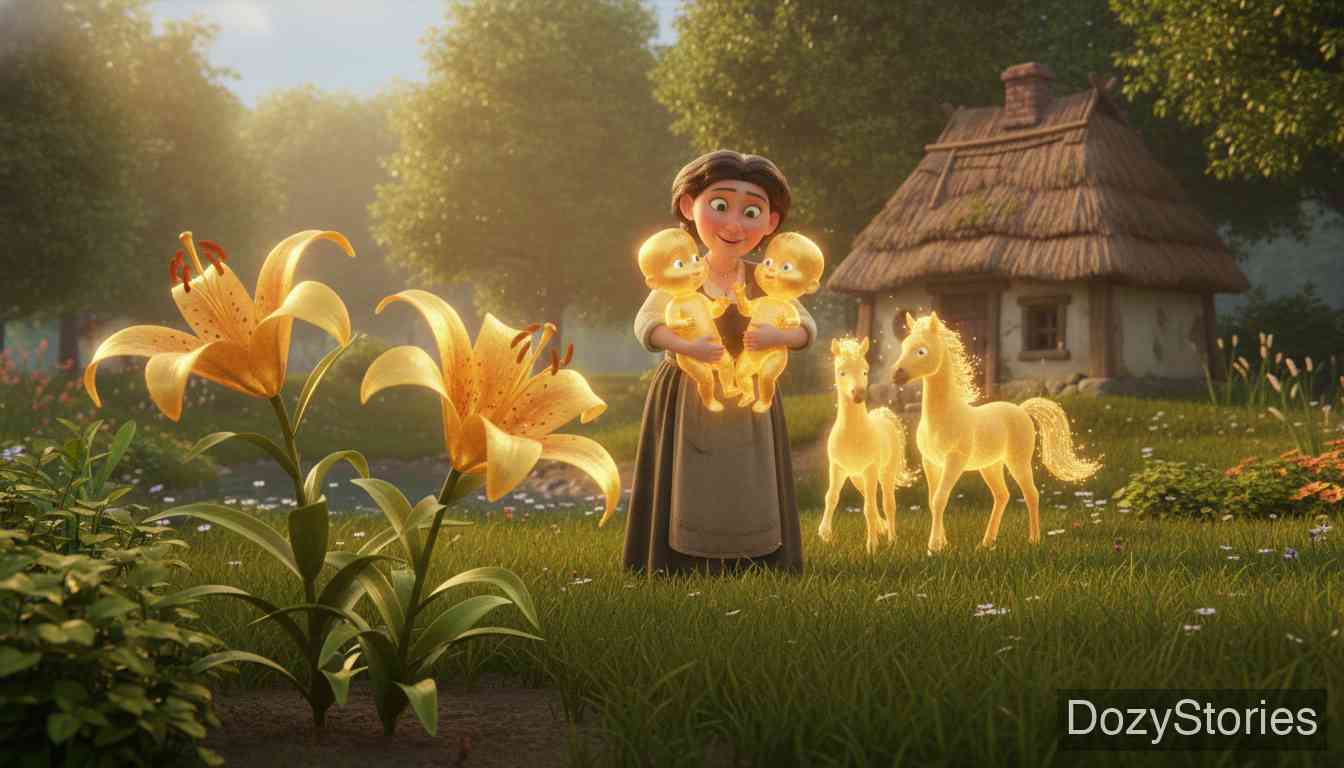
'The Gold-Children' is a strange two-part tale from the Brothers Grimm. The first half echoes 'The Fisherman and His Wife': a wish-granting fish, a restless wife, and a secret that keeps being talked away. The second half turns into an adventure of twin brothers roaming the world. We retell it in the style of a Chinese fable because each half carries one plain lesson — keep your word, and stand by your brother. The second lesson runs deep in Chinese tradition. An old saying compares brothers to hands and feet, and the Book of Songs praises brothers who quarrel at home but stand together against outsiders. There is even a folk tale about three brothers who divided their inheritance, watched the cassia tree in their yard wither, and saw it bloom again when they made peace. Flowers that answer to family feeling appear in both cultures — the golden lilies here work exactly like that tree. The life-token itself is ancient. In Egypt, the 'Tale of Two Brothers' told of a tree that revealed a distant brother's fate some three thousand years ago, so the gold-children join a family of stories that spans the whole world. As you read, point out two small machines of the plot: the fish gives the fisherman three chances, and the first two fail in exactly the same way; and the lily passes through three states — fresh, wilted, dead — each one tied to a brother's life. When you finish, ask your child: could you keep such a secret?



Vocabulary from "The Gold-Children"
12 key words from this story with definitions and original context sentences for language learners.
A small, simple house, often in the countryside.
小屋;农舍。
They owned nothing but a small cottage, and they made their living by fishing.
他们只有一间破茅屋,靠打鱼过活。
Great wealth, or the good luck that brings it.
财富;好运。
Never tell anyone where your good fortune came from.
这福气从何而来,你万万不可对人说。
A strong wish to know or learn something.
好奇心。
But her curiosity burned inside her like a small flame, and she could not put it out.
可心里那点好奇,像火苗一样,怎么也压不下去。
Said something suddenly, without thinking first.
脱口而出;不加思索地说出。
At last her husband lost his temper and blurted out the secret of the golden fish.
缠得丈夫没了耐性,一怒之下脱口说出金鱼的事。
Disappeared suddenly, so it could not be seen.
突然消失;不见踪影。
The moment the words left his mouth, the castle and the cupboard vanished.
话才出口,城堡和橱柜登时无影无踪。
A large, rich meal with lots of delicious food.
盛宴;丰盛的一餐。
When she opened it, they saw meat, cakes, fruit and wine — a truly grand feast.
妻子一打开,肉、点心、水果、美酒样样俱全,香气扑鼻。
Laughed at someone in a rude, mocking way.
嘲笑;讥讽。
When the people there saw the gold-children, they burst out laughing and jeered at them.
店里的人一见两个金娃娃,便哄笑起来,出言讥讽。
To go somewhere new and possibly dangerous.
冒险去;大胆前往。
One day the brothers said, "Father, we want to venture out into the world on our golden horses."
兄弟俩对父亲说:“父亲,我们想骑上金马,到外头的世界去闯一闯。”
Old, torn and dirty, like worn-out clothes.
破旧的;衣衫褴褛的。
Early the next morning he tiptoed to the door to see whether his son-in-law was only a ragged beggar.
第二天一早,他悄悄来到新房门口探望,想看看女婿是不是个衣衫褴褛的叫花子。
Turned into stone; made completely stiff and still.
使石化;使僵住不动。
She stretched out her finger, and in an instant the gold-child stood frozen, petrified into a block of stone.
话音未落,她伸手一指,金娃娃便僵在原地,成了一块石头。
Dried up and drooped, like a dying plant.
枯萎;凋谢。
If they wither, we are ill.
花蔫,我们便抱恙。
Hung down weakly, as a tired flower does.
低垂;耷拉下来。
Back home, the brother who had stayed was standing by the golden lilies when one of them suddenly drooped.
家里这一头,留守的兄弟正站在金百合花旁,忽然看见一株花垂了下去。
Reading Together & Learning More
The Moral
Hold your tongue and you hold your fortune — a promise must outlast your curiosity. And when brothers share one heart, no distance or danger can keep them apart.
Educational Value
Children learn two things from this fable: to keep a promise and master restless curiosity, and to care for family so deeply that they sense danger from afar and come to help.
Tips for Parents
Pause when the fisherman lets the secret slip and ask your child whether he should have spoken, and how many chances the fish gave him. As the lilies appear, let your child guess what each change of the flower means, then talk about which matters more: keeping a word or standing by a brother.
Talk About It
- The fish gave the fisherman three chances, and the first two failed in exactly the same way. Do you think he lost to his wife's questions, or to his own loose tongue?
- The wife says she would rather have no riches than live with a question in her heart. Can you understand her? If you could keep only one — the truth or the good fortune — which would you choose?
- The brothers leave the golden lilies at home: fresh means safe, dead means gone. If you had such a flower, whom would you want to watch over?
- The moment he saw the lily droop, the brother rode out, knowing a witch was in the forest. Would you hesitate in his place? Why?
- The gold-child hides his golden glow under bear-skins to pass the forest safely. When do you think we should hide our own bright side?