The Elves and the Servant Girl
Introduction
This little tale comes from the second of three short elf legends inside tale no. 39 of the Brothers Grimm, tucked beside the famous Elves and the Shoemaker, yet almost unknown to most readers. It tells of one lucky meeting between a hard-working servant girl and the elves — what happens in that meeting, the story itself will tell. Why retell it as a fable? Because its bones are already a fable's: one plain character, one clean turn, and a lesson that unfolds in layers. The outer layer is simple and old — hard work, cleanliness, and good manners earn their own reward. The inner layer is stranger and richer: why do happy hours always seem to slip away so fast? That wonder — a few days in a magic place, many years in the world — is an old friend to Chinese readers. In the legend of Wang Zhi, a woodcutter watches immortals play a game of Go; before the game ends, his axe-handle rots away, and back home whole generations have passed. East and West, the same story-tree grew in different soil. As you read, first ask your child what lesson the tale teaches, then compare the two legends, and end with a question worth carrying: if happy days fly by, how should we spend the days we have?


Vocabulary from "The Elves and the Servant Girl"
12 key words from this story with definitions and original context sentences for language learners.
Perfectly clean, with no marks or dirt at all.
一尘不染的;干干净净的。
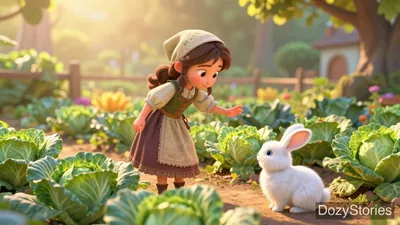
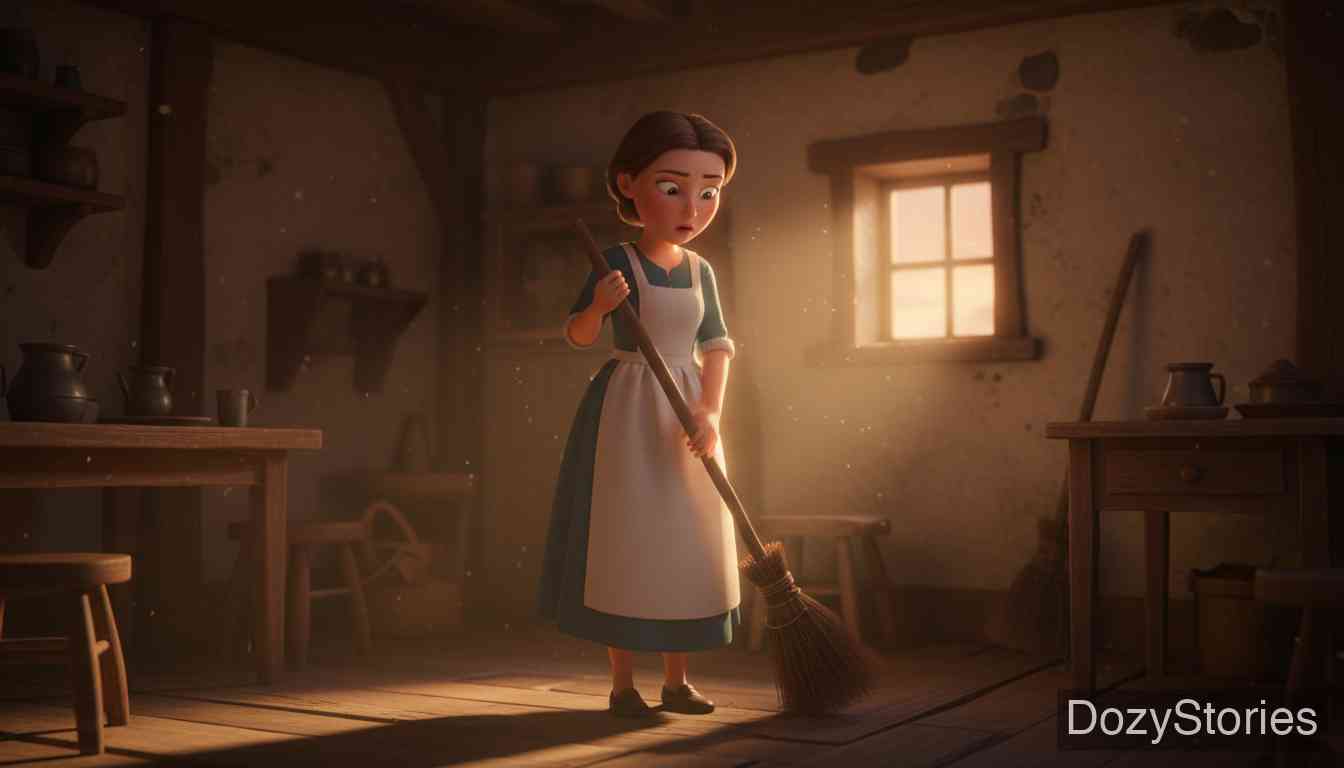
She was quick and neat, and she kept the house spotless.
她手脚勤快,把屋子收拾得一尘不染。
Rich enough to live comfortably.
富裕的;家境殷实的。
Long ago, a poor servant girl worked for a well-to-do family.
从前有个穷人家的女佣,在一户殷实人家帮工。
A written or spoken request to come to an event.
邀请;请柬。
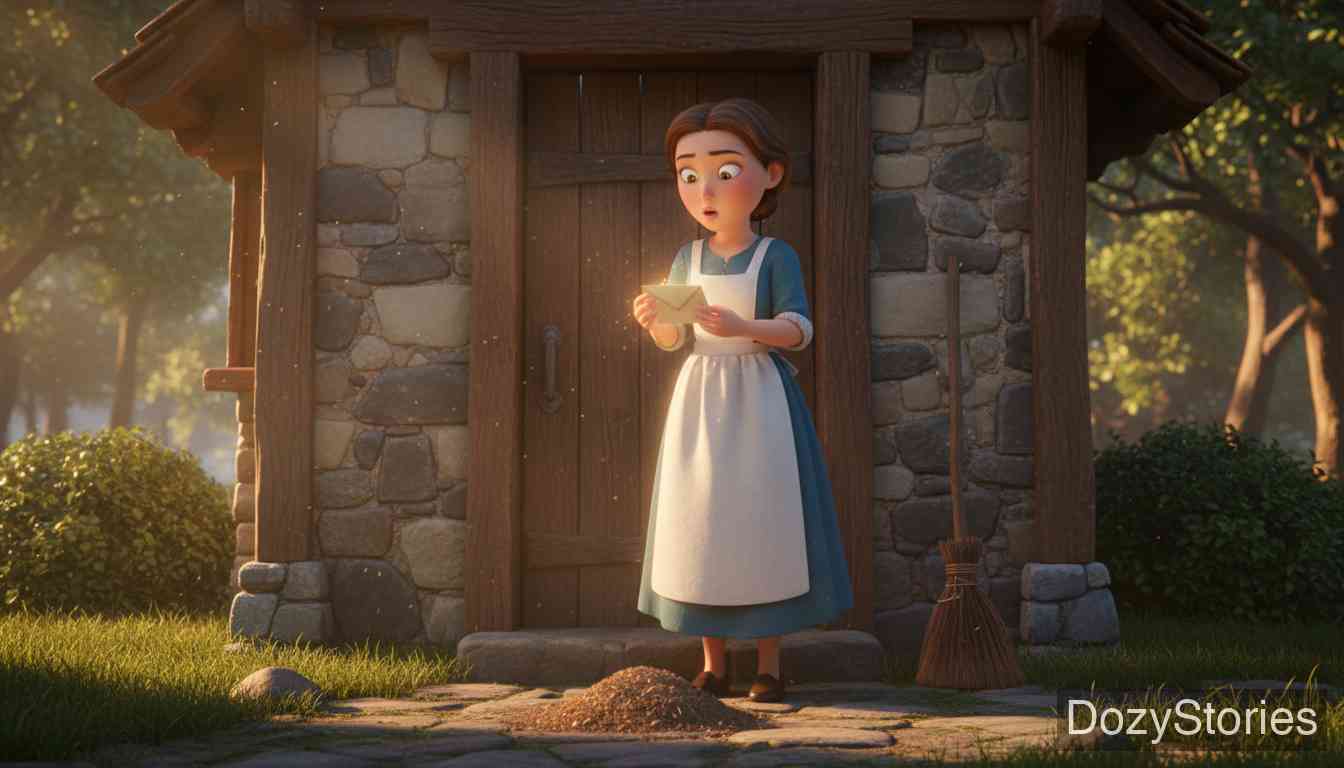
It was an invitation from the elves.
原来是小精灵送来的请柬。
A woman who promises to help care for a child after its christening.
教母。
They asked her to be godmother to their baby at the christening.
他们请她去做自家娃娃洗礼的教母。
A ceremony where a baby is given its name and welcomed into the church.
洗礼仪式。
The girl took her place as godmother at the christening.
姑娘在洗礼上当上了教母。
To say no to something that is offered.
拒绝;推辞。
“To refuse such a kindness would be rude.”
「推辞这样的好意,便是失礼。」
Having an empty space inside.
中空的;空心的。
Three elves came to fetch her and led her into a hollow mountain, where the little folk lived.
三个小精灵来接她,一路引她走进一座空心的山里,小人儿们就住在那里。
Small, round, white jewels that grow inside some shells.
珍珠。
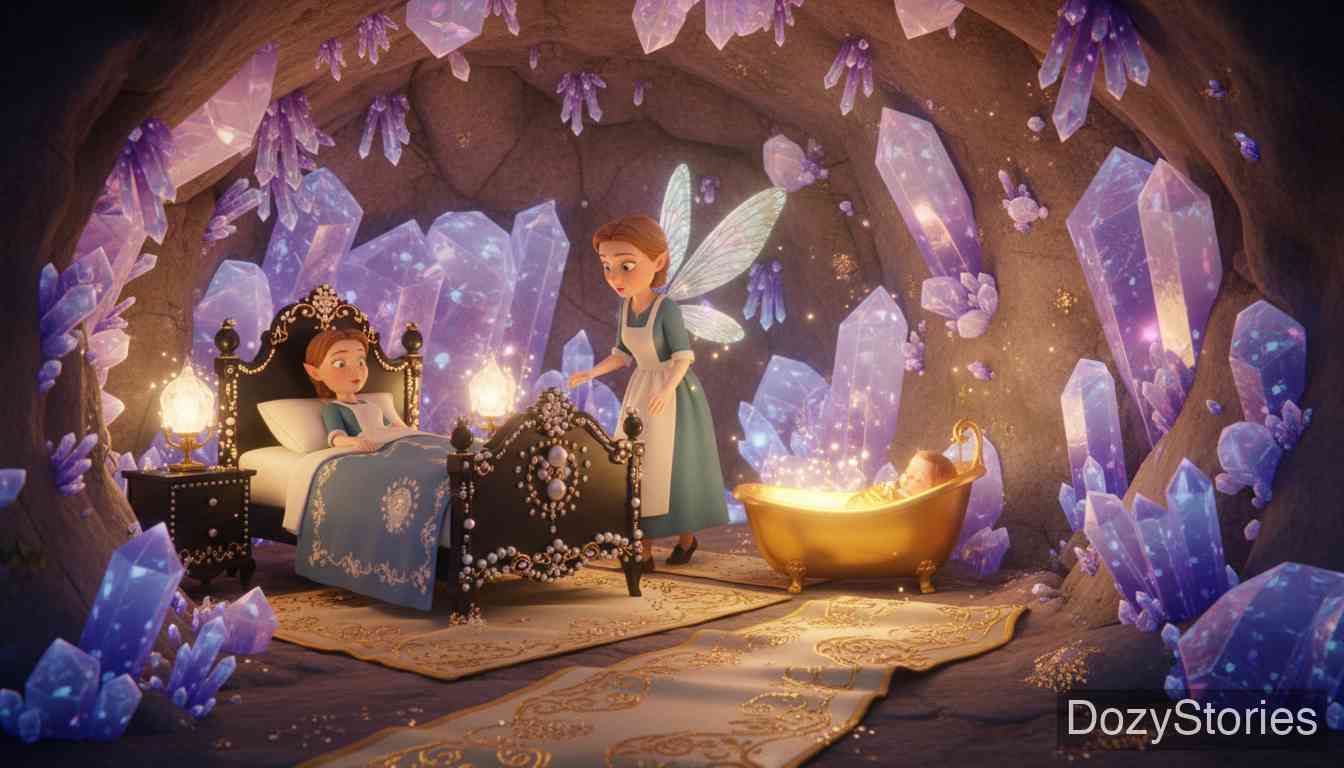
The baby's mother lay on a black bed set with pearls.
娃娃的母亲躺在乌木床上,床沿嵌着珍珠。
Joined or decorated with a needle and thread.
缝制;用针线绣。
The blanket was sewn with golden thread, the cradle was carved from ivory, and the little bath was pure gold.
锦被绣着金线,摇篮是象牙雕的,连小小的浴盆也是赤金铸的。
The hard, creamy-white material of an elephant's tusk.
象牙。
The blanket was sewn with golden thread, the cradle was carved from ivory, and the little bath was pure gold.
锦被绣着金线,摇篮是象牙雕的,连小小的浴盆也是赤金铸的。
Asked for something in a very eager, almost sad way.
恳求;央求。
But the elves begged her to stay.
可小精灵们苦苦挽留。
Given something back in return for a good deed.
回报;报答。
The good are repaid for their goodness, and so it was.
善有善报,她终究得了满口袋的金银。
Reading Together & Learning More
The Moral
Goodness is repaid with goodness — a hard-working, clean-hearted girl earns her reward. But the tale also whispers: happy days fly by, time waits for no one, so treasure the people and days right in front of you.
Educational Value
This fable teaches two things: that good character is its own reward — diligence, cleanliness, and good manners are noticed and repaid; and that time can run at different speeds in different worlds — a lovely doorway for wondering why happy days always seem to fly by.
Tips for Parents
After reading, play a little time puzzle with your child: how did three days in the elf mountain become seven years in the world? Share the Chinese legend of Wang Zhi, whose axe-handle rotted while he watched one game of Go — old tales in East and West dreamed up the same wonder. Then ask: if happy days pass so quickly, how should we make the most of every day we have?
Talk About It
- The girl feels only three days pass in the elf mountain, yet seven years have gone by at home. Why do happy times always seem to fly?
- Why do the elves choose this servant girl to be godmother? Which good qualities earn her this good fortune?
- The girl says yes only because her master tells her that refusing would be rude. Would you have gone? Why or why not?
- The West has three days in a mountain and seven years in the world, and China has the tale of Wang Zhi. Why did people so far apart dream up such similar stories?
- If you spent three days in the elf mountain and came back to find seven years had passed, what is the very first thing you would do?