The Devil with the Three Golden Hairs
Introduction
This well-loved tale from the Brothers Grimm tells of a poor boy born under a lucky sign, who unties, one by one, every cruel knot the King ties for him. We have retold it here in the spare, plain style of a Chinese fable, because its bones already match the old wisdom of folk sayings. The King plots and schemes and ends by falling into his own trap, while the boy keeps every word he gives and finds help at every turn—what Chinese tradition calls good deeds bring good returns, and the snake that swallows too much bursts. The three riddles of the fountain, the tree, and the ferryman form a little fable of their own: every trouble has a true root, and once the root is found, the trouble cures itself, just as a good doctor must find the illness before he can give the right medicine. The tale also rests on an old European belief: a baby born with a caul over its head was thought to be lucky for life, a cousin of the many lucky-hero stories told around the world. As you read with your child, look together for where the boy's luck really comes from—luck sent from heaven, or luck he earns with his own courage and honesty? The final line of the tale gives its own quiet answer, and it is well worth discussing together at the end.

Vocabulary from "The Devil with the Three Golden Hairs"
12 key words from this story with definitions and original context sentences for language learners.
The thin skin that covers some babies when they are born.
胎膜,包裹初生婴儿的一层薄膜。
The baby came into the world wrapped in a thin skin called a caul, and the old folks of the village said this was a sign of luck.
这孩子出世时头上裹着一层薄薄的胎膜,村里有见识的老人都说,这是“带着好运来的孩子”,将来做什么都能成。
A saying about what will happen in the future.
预言,对未来事情的断言。
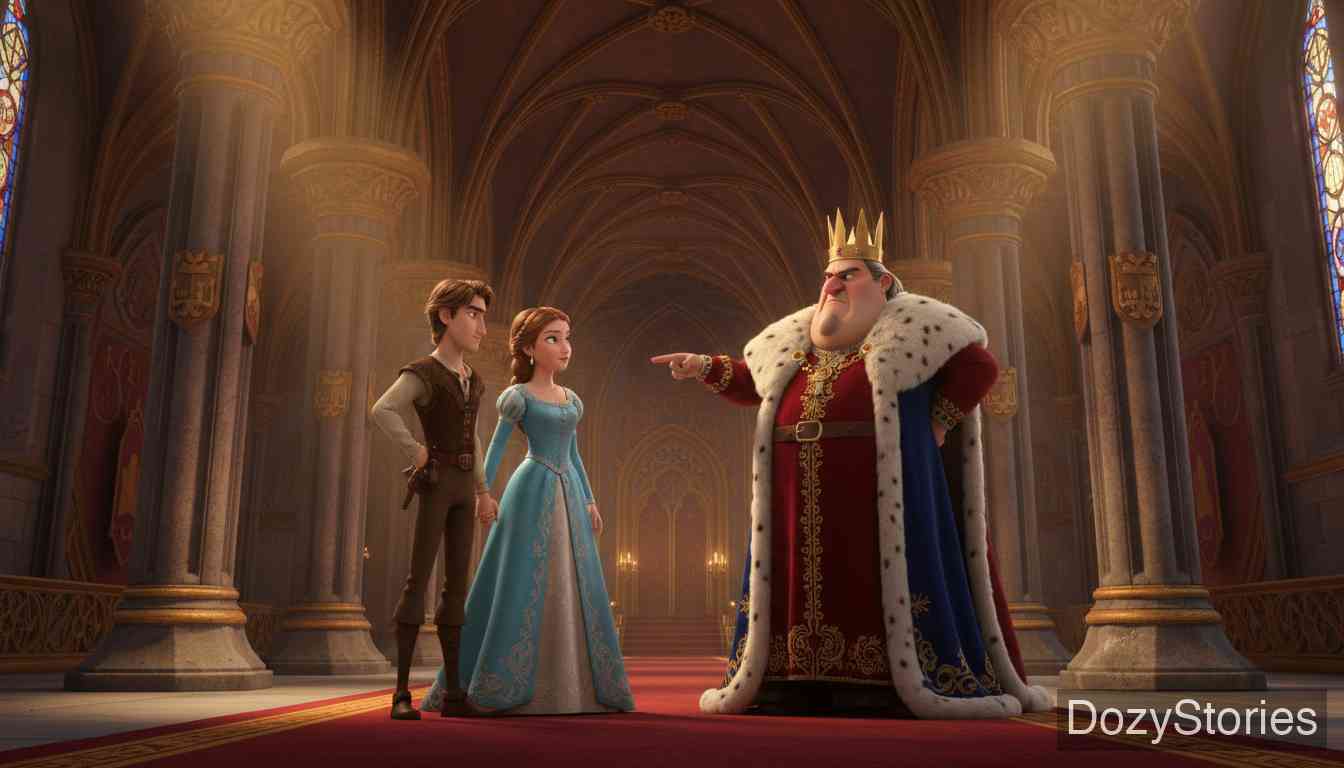
He found the prophecy fulfilled—the poor boy was now his son-in-law—and his face turned red with anger.
过了些日子,国王回到王宫,见预言已经应验,那个穷孩子竟做了自己的女婿,气得胡子直抖。
Moved slowly on water or in the air.
漂流,随水缓缓漂动。
It floated like a leaf, drifted downstream, and came to rest against the dam of a mill.
它像一片树叶一样浮在水上,顺水漂去,一直漂到一座磨坊的水坝前,被坝栏挡住了。
To stay somewhere safe, away from rain or danger.
躲避,寻找安全的地方避雨或避祸。
One day a great storm broke, and the King came into the mill to shelter from the rain.
这一日,大雨倾盆,国王到磨坊里避雨。
A short trip to carry a message or do a small job for someone.
差事,替人跑腿送信的小任务。
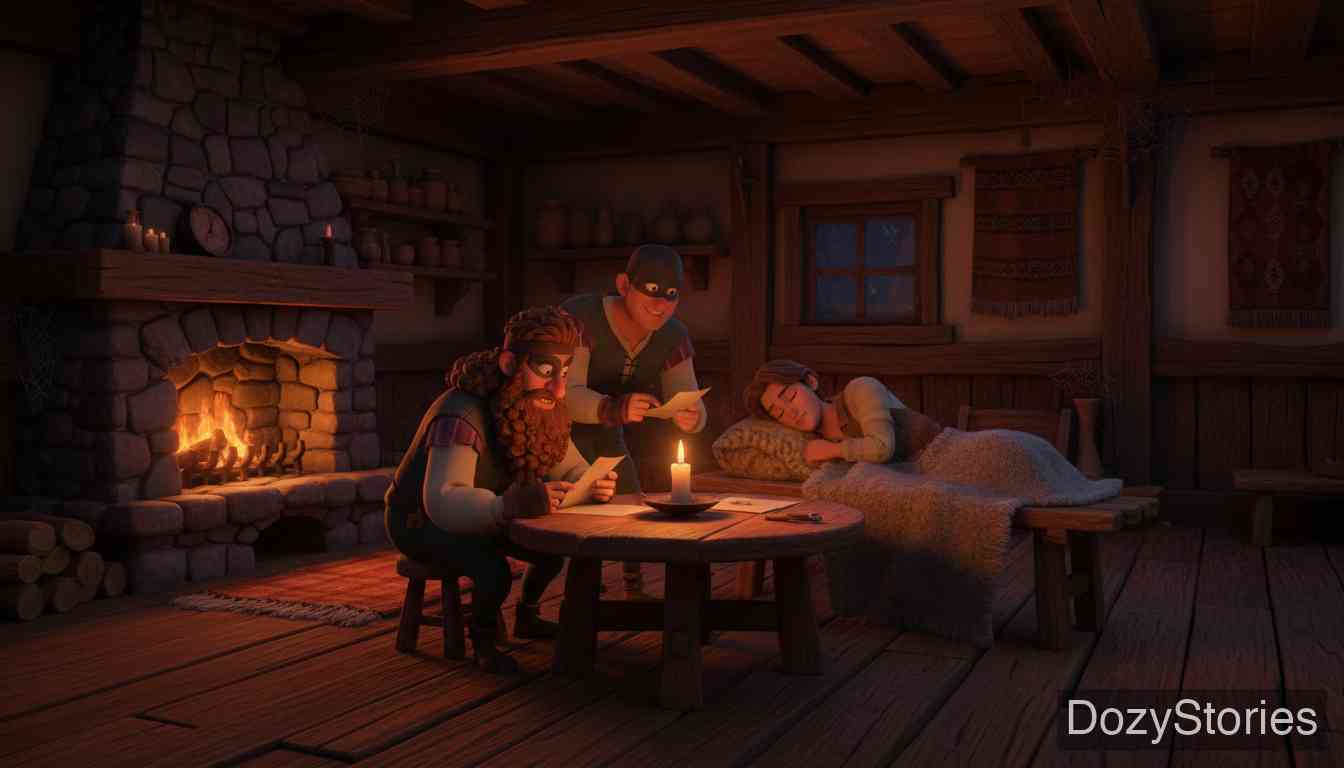
When they learned his errand, they tore open the letter.
半夜里,强盗们回来了,看见凳上睡着一个生人,问明了缘由,便拆开那封信。
Very great anger.
暴怒,极其愤怒。
The King's shame turned to fury.
国王恼羞成怒。
The black powder that smoke leaves behind.
烟灰,烟熏过后留下的黑色粉末。
Inside it was black and full of soot.
屋里黑漆漆的,满是烟灰。
The loose, curved parts of hanging cloth in a dress or skirt.
衣褶,裙子上垂下来的褶皱。
She turned him into an ant and hid him in the folds of her dress.
她把他变成一只蚂蚁,藏进自己的裙褶里。
Biting and chewing something again and again.
啃咬,一下一下地咬。
A mouse is gnawing the root.
树根下有只老鼠在啃。
Wanting far more than you need.
贪心的,贪得无厌的。
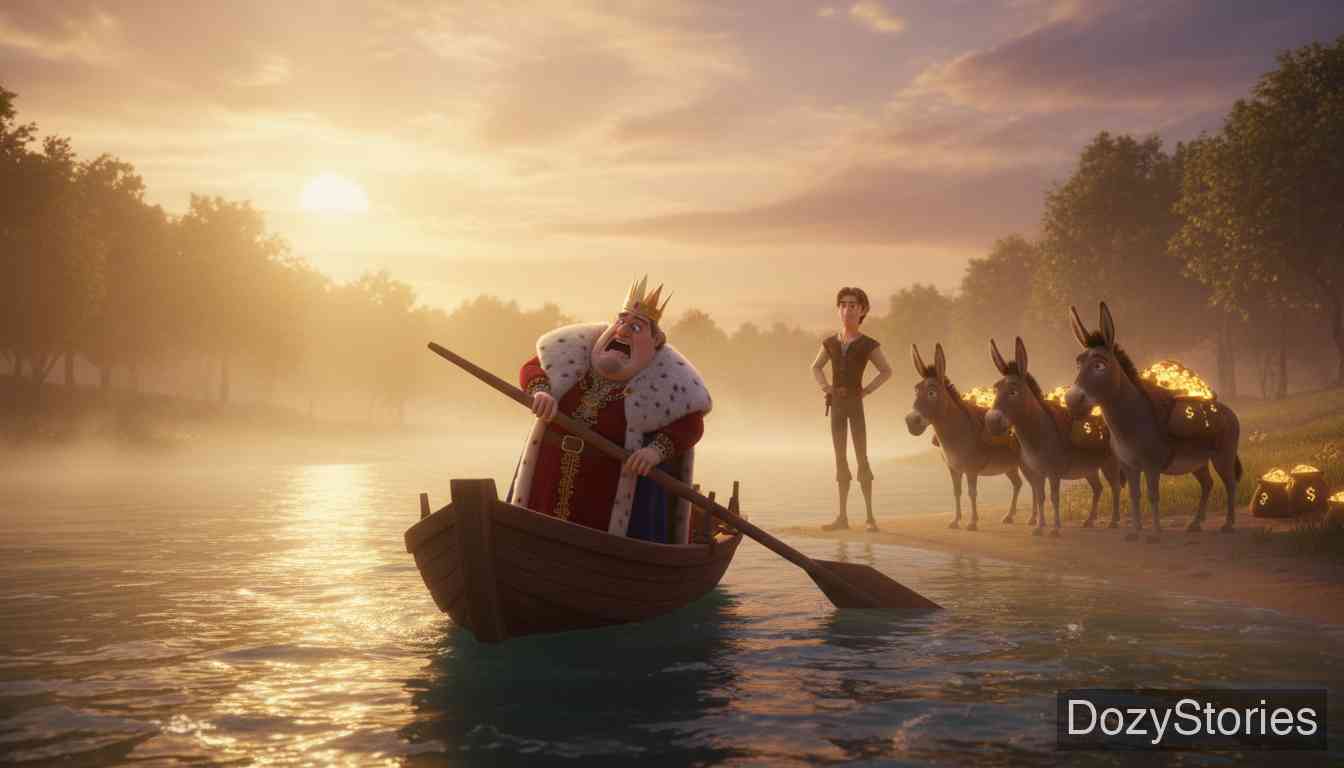
The greedy King mounted his horse at once and rode to the great river, waving for the ferryman to take him across.
贪心的国王一听,立刻骑上马直奔大河,招手让摆渡人送他过河。
To make secret plans, usually to harm someone.
算计,暗中谋划(通常是想害人)。
This story teaches us that those who scheme against others end by trapping themselves, and greedy hearts are soon caught in the hardest of tasks.
这故事告诉我们:一心算计别人的人,到头来算计的是自己;贪心不足的人,往往把自己困进最苦的差事里。
A very loud, deep sound or shout.
吼叫,低沉而响亮的声音。
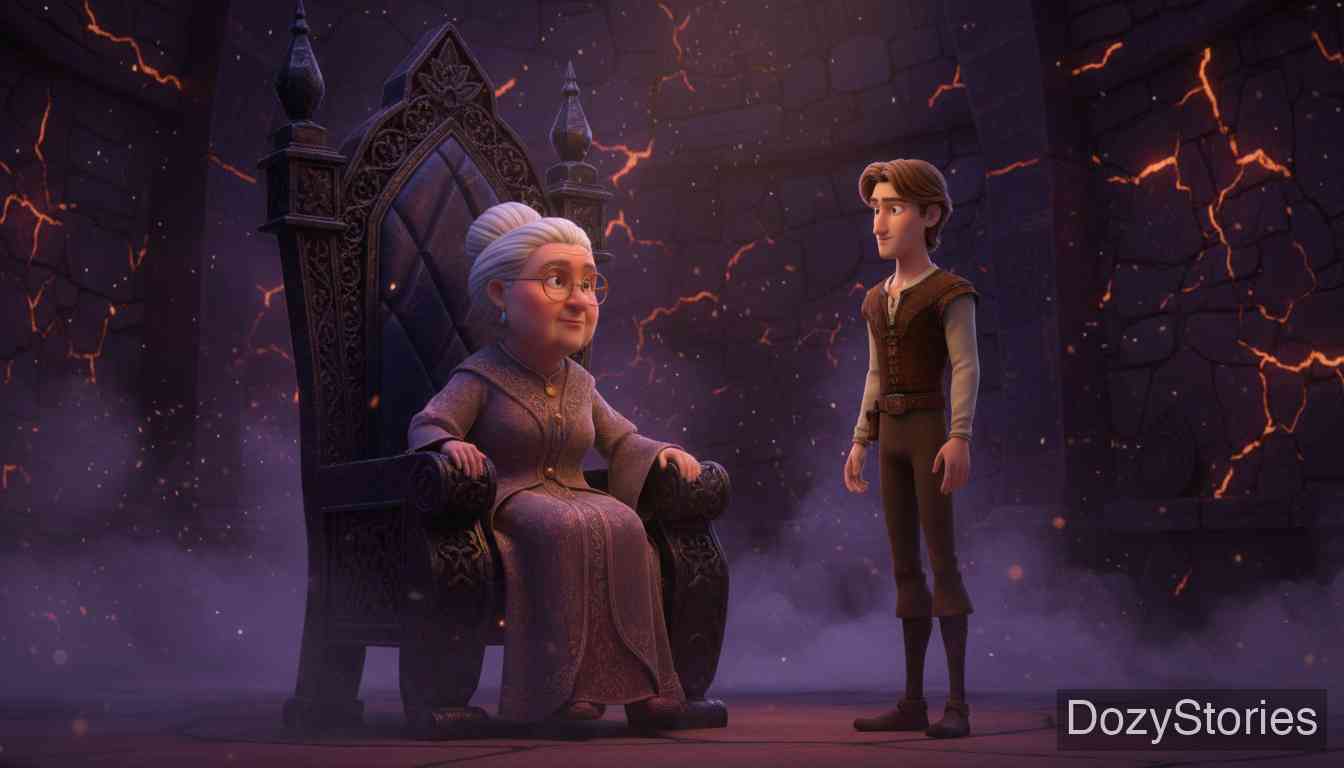
The Devil jumped up with a roar like thunder.
祖母拔下第三根金头发,魔鬼一下子跳起来,吼声如雷。
Reading Together & Learning More
The Moral
Those who scheme to harm others fall into the pit they dig themselves, while kindness, courage, and a kept promise draw good fortune near.
Educational Value
Helps children see that evil plans turn back on the planner and promises must be kept; the three linked riddles also build listening, memory, and cause-and-effect thinking.
Tips for Parents
After reading, ask your child why every cruel trick the King plays only helps the boy. Then point out that the boy keeps every promise he makes on the road, and talk together about promises in your own family life.
Talk About It
- The King tries again and again to destroy the boy, yet every scheme ends up helping him. Is that just chance, or is there a reason behind it?
- The robbers are bad men, yet one moment of pity makes them rewrite the deadly letter. What do you think was in their minds, and was their choice right?
- The boy promises the fountain, the tree, and the ferryman that he will bring back answers, and he keeps every promise. If you were him and the road got long, what would you do?
- The story says the boy succeeds at everything. Do you think his happy ending is pure luck, or does it come from something in himself?
- The King races off at the first word of gold by the river and ends up rowing the ferry forever. If you heard of such an easy fortune, would you stop and think before you went?