The Devil and His Grandmother
Introduction
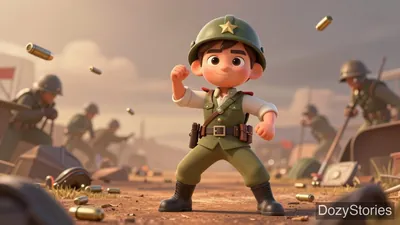
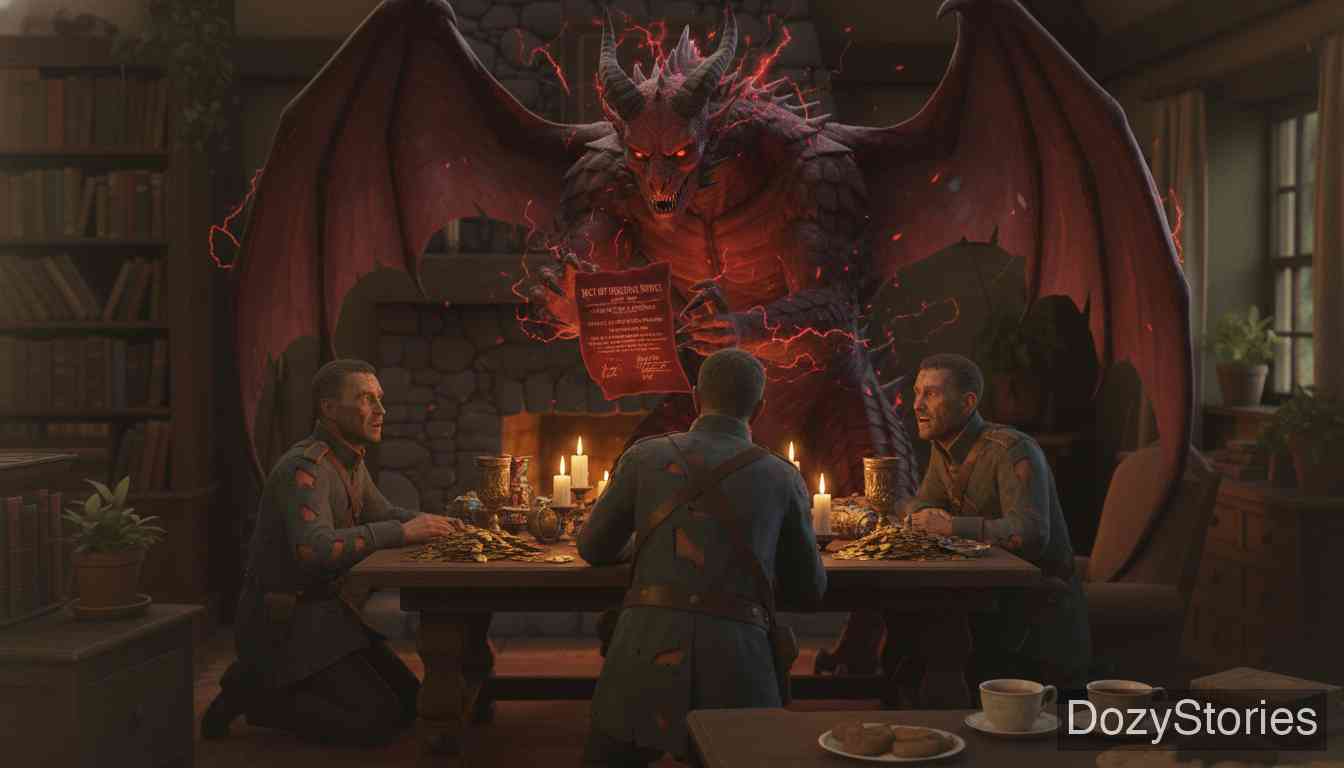
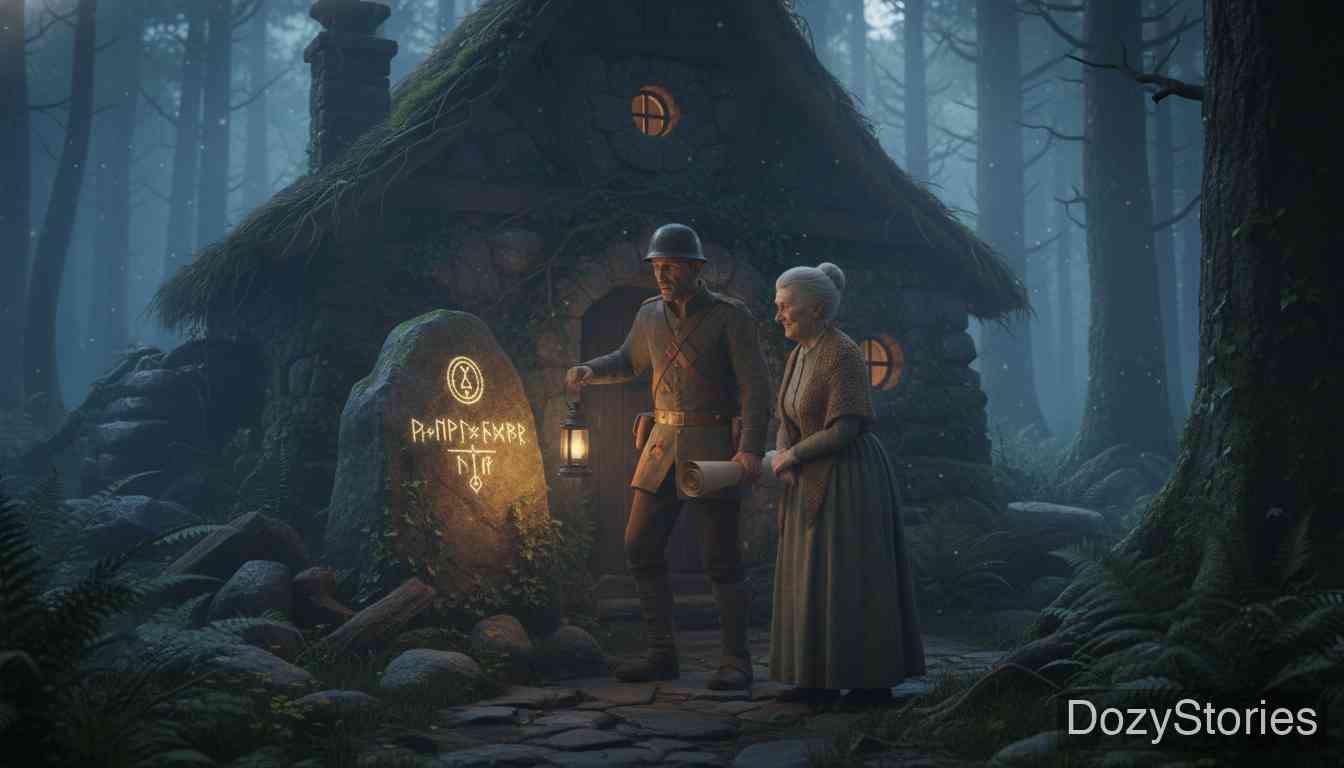
"The Devil and His Grandmother" is tale number 125 in the Brothers Grimm, and folklorists group it with the stories of "the devil's riddle." Such tales were once common across Europe: a poor soldier or a hungry craftsman, at the end of his rope, makes a deal with the devil and later slips away by his wits. We have retold it here in the style of a Chinese fable, because its bones are already fable-shaped — simple, clearly drawn characters, a plot that moves straight to the point, and a closing line that names the lesson. The three soldiers face the same dead end: two of them sit and sigh, one of them stands up and walks into the forest. That single step is the whole story, and it echoes a familiar Chinese saying — a way out will not come to those who wait by the tree stump; it comes to those who move. There is also a playful echo of the old line "when mountains and rivers seem to end, another village appears among the willows": the road appears to stop at a fallen rock, and behind that rock waits an unexpected helper — the devil's own grandmother. Children may enjoy counting the threes in the tale: three soldiers, seven years, three answers to one riddle. Folk tales love such plain, steady rhythms. The riddle itself is gloriously absurd — a dead dog-fish for a roast, a horse's hoof for a wineglass — and that nonsense is exactly how a fable stays serious about a serious point. After reading, ask your child one question: the answers came from the grandmother's lips, but the courage to go and seek them came from the soldier's own feet. So who really saved them?
Vocabulary from "The Devil and His Grandmother"
12 key words from this story with definitions and original context sentences for language learners.
A puzzling question that you must think hard to answer.
谜语;谜题。
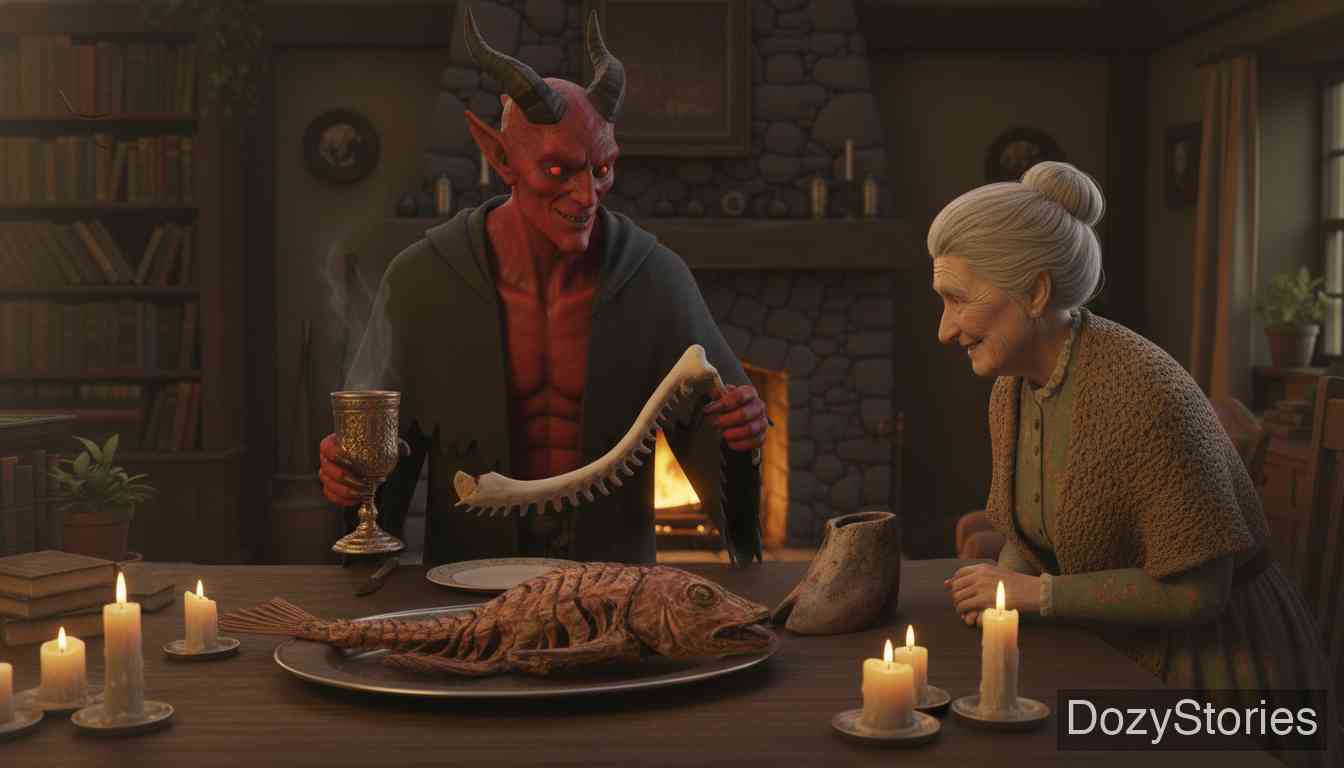
I have set them a riddle they will never guess in all their lives!
我出的谜语,他们一辈子也猜不着!
Burning, or looking as if it is on fire.
火一般的;燃烧着的。
Just then a fiery dragon flew down from the clouds.
正绝望时,一条火龙从云里飞来。
The sharp curved nails on an animal's feet.
爪子。
The dragon lifted them in its claws and flew far away.
火龙伸爪抓起他们,飞出军营老远。
A long thin piece of leather with a handle, used for striking.
鞭子。
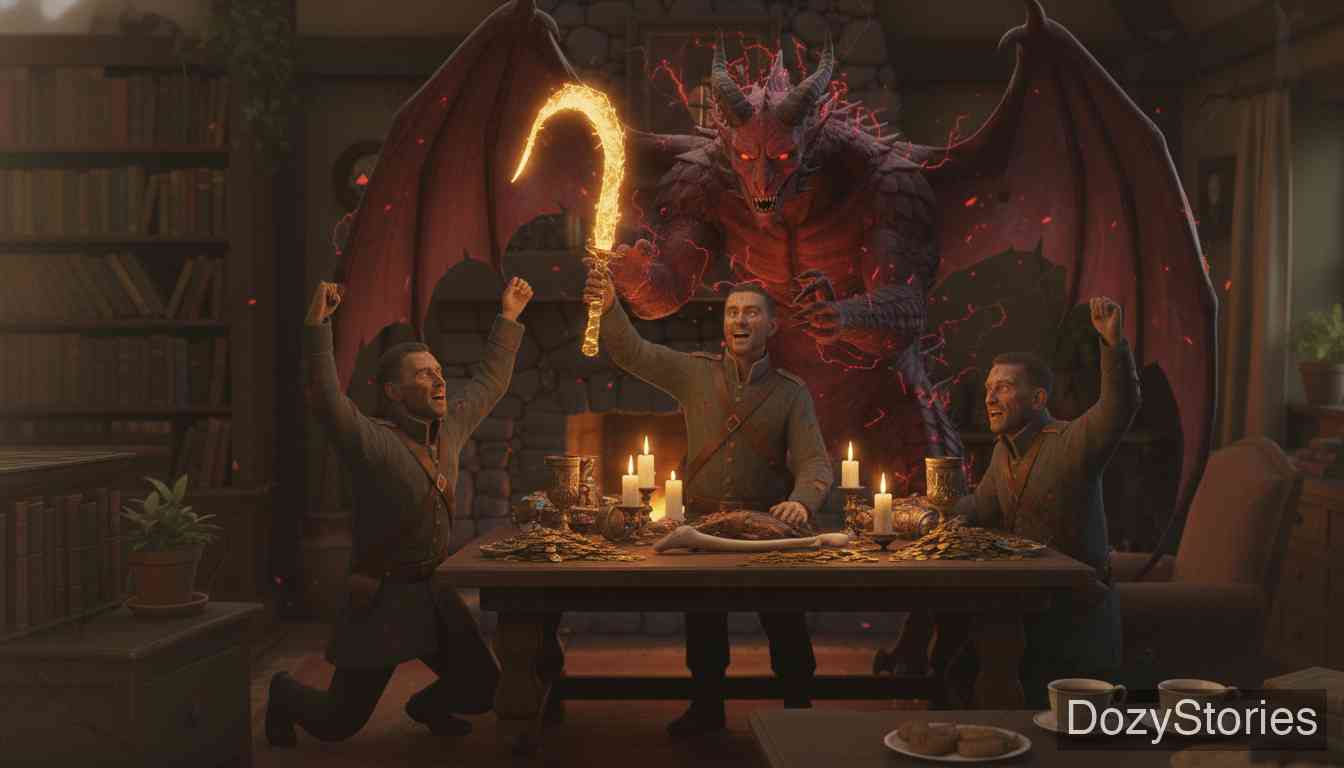
He gave them a small whip.
他交给三人一根小鞭子。
Quick to understand; clever.
机灵的;头脑灵活的。
My head is sharp.
我脑子灵光。
To get away from a place or from danger.
逃脱;逃跑。
Perhaps they will find a way to escape.
只怕人家有法子脱身。
A room under a house, used for storing things.
地窖;地下室。
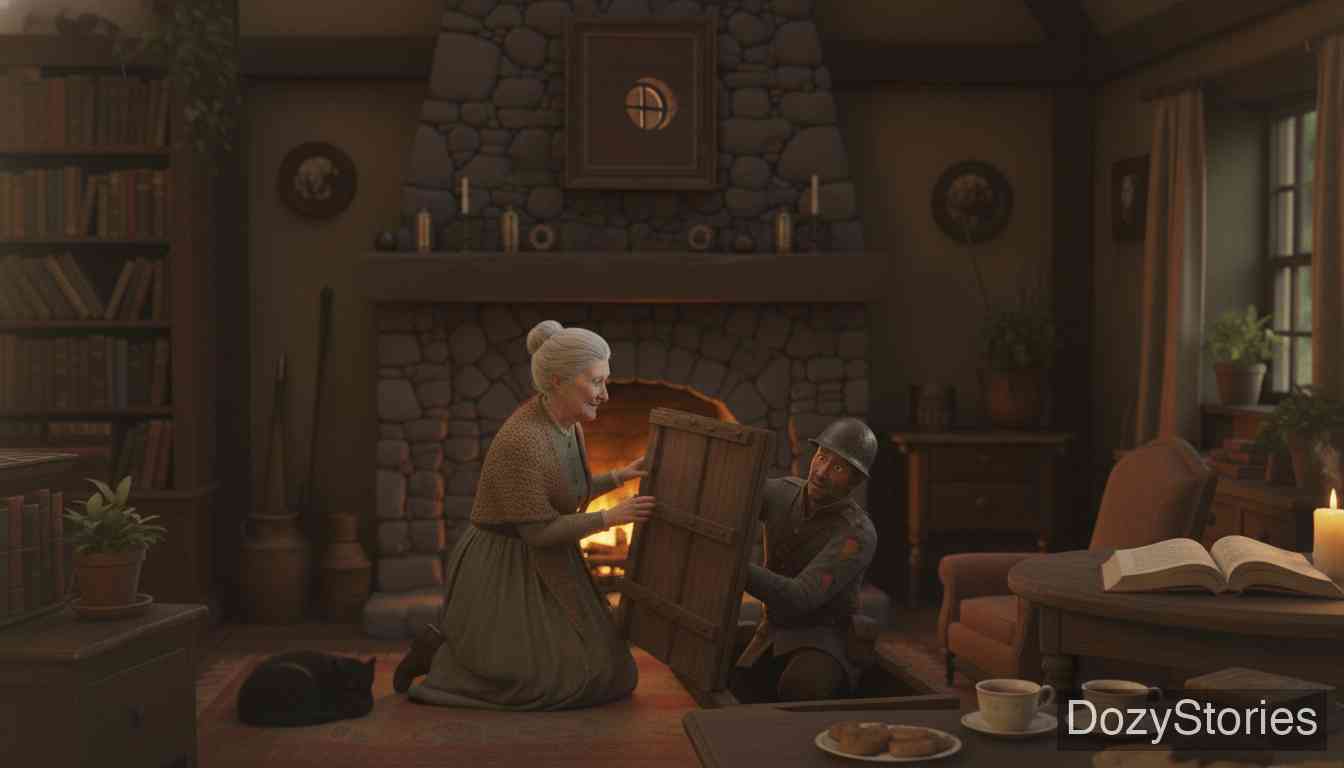
She lifted a great stone over the mouth of a cellar.
她掀开地窖口的大石头。
Empty on the inside.
中空的;空心的。
And the hollow hoof of an old horse will be their wineglass!
一只老马的空蹄子,就是他们的酒杯!
The hard foot of a horse or a similar animal.
蹄子。
And the hollow hoof of an old horse will be their wineglass!
一只老马的空蹄子,就是他们的酒杯!
Made a low angry sound, like a dog.
(低沉地)吼叫;咆哮。
The devil's face turned dark, and he growled low in his throat.
魔鬼脸色一沉,喉咙里咕噜噜直响。
The ability to think quickly and clearly.
机智;头脑。
Keep a cool head, use your wits, and dare to act, and even the hardest riddle can be solved.
沉住气、肯动脑、敢行动,天大的难题也能解开。
Extremely happy.
欣喜若狂的;非常高兴的。
The three men were overjoyed.
三人喜上眉梢。
Reading Together & Learning More
The Moral
Two soldiers sit and sigh, but the third stands up and tries — and that makes all the difference. When all seems lost, do not waste time on worry. Keep a cool head, think hard, and dare to act. There is always a way out, if you do not give up first.
Educational Value
Children can learn from the three soldiers how attitude shapes the outcome: in the same hopeless fix, the ones who give up gain nothing, while the one who keeps his head and tries finds a way out. The tale also teaches two more lessons: think before you panic, and never give up too soon; and asking for help is not shameful — when you speak your trouble aloud, help often appears.
Tips for Parents
The story mentions a "devil" and "souls," but it is really a comedy of wits — the devil is outsmarted by his own grandmother, and the ending is happy and safe for readers over 8. Help your child notice a lovely twist: the rescuer is the "devil's grandmother," who is kind to strangers and tricks her own grandson. After reading, ask your child: why do the two soldiers refuse to go into the forest? If you were one of them, would you regret it later?
Talk About It
- The three soldiers face the same hopeless situation. Two sit and sigh, one stands up and walks into the forest — and the endings are very different. Where do you think the difference lies?
- Their rescuer turns out to be the "devil's grandmother." Why would she help three strangers and outwit her own grandson?
- The two soldiers say going into the forest is a waste of effort, so they stay put. If they had gone along, would the story have changed? Why do you think so?
- The devil believes his riddle cannot be guessed, but he forgets that loose lips sink ships. What does he lose to — bad luck, or his own big mouth?
- The soldiers enjoy seven easy years on the devil's gold. If you knew the risk, would you still accept such a deal?