The Brave Little Tailor
Introduction
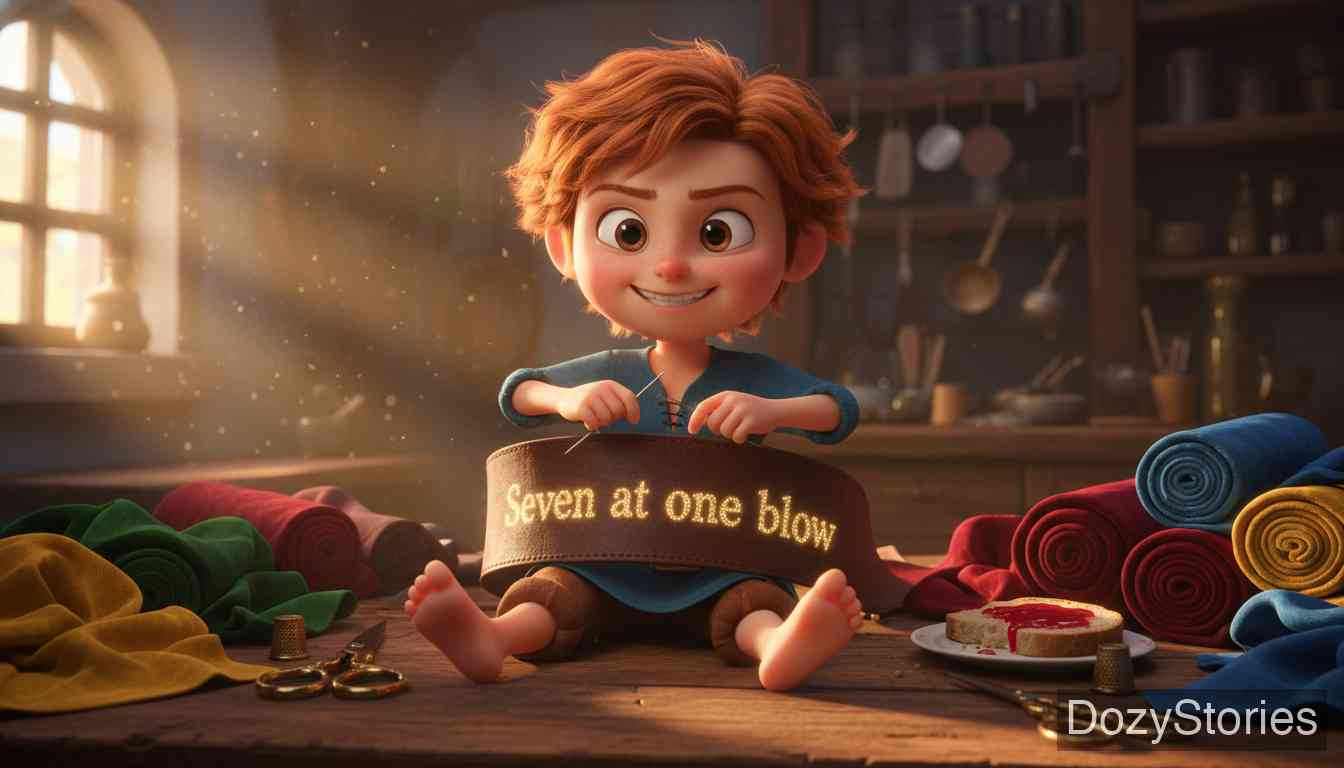
This tale of a small hero has charmed young readers ever since the Brothers Grimm set it down, and it works its magic in every language. The secret of its charm is that the hero is no mighty warrior at all. He is a little tailor who kills seven flies at one stroke, writes the boast on his belt, and then lives up to it purely with his wits. We have retold the story here as a fable, because its heart is a lesson that Chinese tradition knows well: the mind wins where the muscle cannot. Our own folk wisdom is full of such stories — Tian Ji, who turned a losing horse race into victory by changing the order of his horses, or young Cao Chong, who weighed a live elephant by floating it in a boat. Short and pointed, the fable form suits a hero who never fights with his fists, yet never loses a battle. It is also worth noting how the tale has softened over time. The Disney cartoon of 1938 turned the tailor into a cheerful Mickey Mouse and left out many of the sly tricks that make the original so satisfying — so reading the full retelling lets children taste the tailor's calm cleverness for themselves. As you read together, watch how the tailor never tells an outright lie. He simply lets others misunderstand him, and then proves their mistake true by his deeds. That fine line between boasting and believing in yourself is a wonderful thing to talk about over dinner.
Vocabulary from "The Brave Little Tailor"
12 key words from this story with definitions and original context sentences for language learners.
Smelled something quickly through the nose.
用鼻子闻;嗅。
The tailor sniffed every jar and picked a small one.
小裁缝挨个儿闻了闻,拣了一罐小的。
Made the low, humming sound of flies or bees.
(苍蝇、蜜蜂等)嗡嗡叫。
The flies buzzed and buzzed and would not go away.
苍蝇嗡嗡嗡地赶也赶不走。
Fastened something with a buckle.
扣上(皮带等的)搭扣。
He buckled his belt and set out into the wide world.
小裁缝把腰带一系,出门闯世界去了。
Pressed something hard from both sides.
用力挤压;捏。
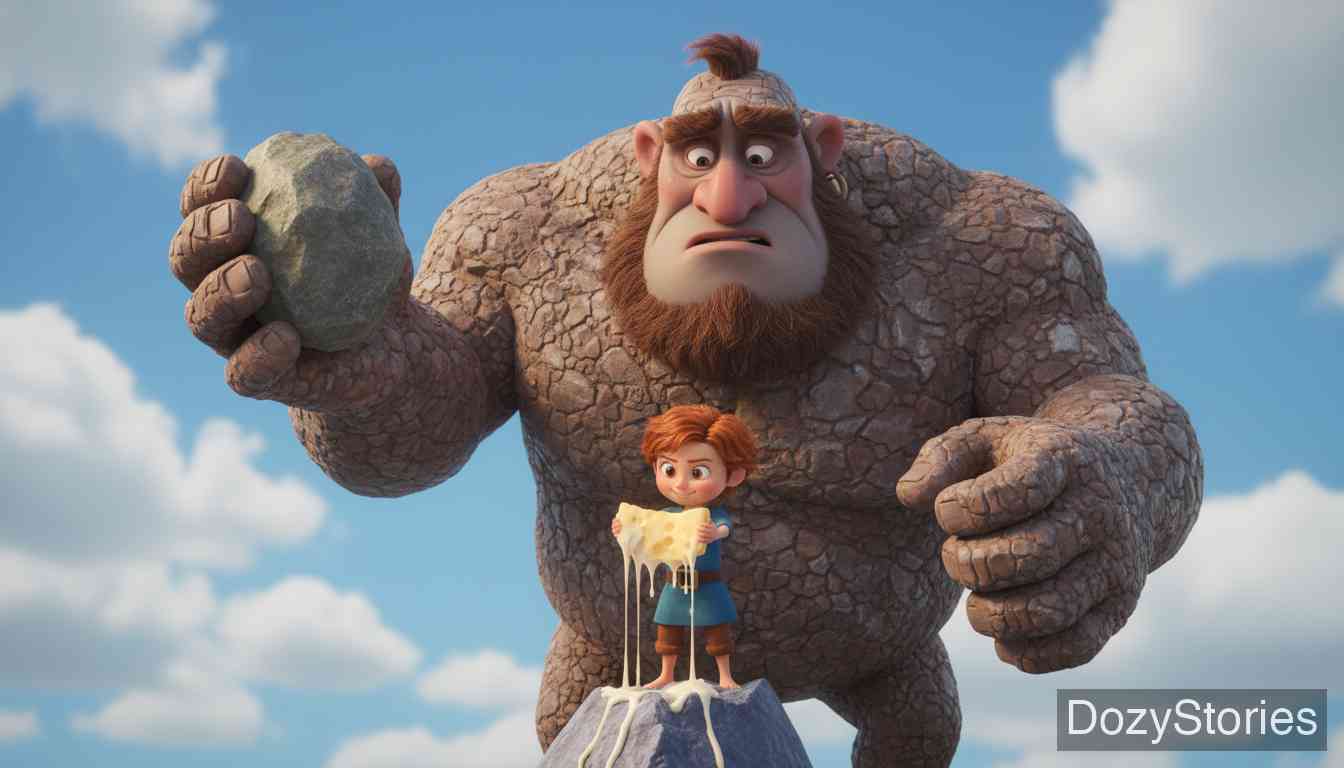
He took a stone and squeezed it so hard that water dripped out.
他捡起一块石头,用力一捏,石头里竟渗出水来。
Threw something lightly into the air.
轻轻抛起;扔。
He took the bird from his pocket and tossed it into the air.
他伸手从兜里掏出那只鸟,轻轻往空中一抛。
Very tired from hard work.
筋疲力尽的。
After a while the giant was worn out.
巨人走了一阵,累得筋疲力尽。
Breathed in quickly and loudly, usually from tiredness or surprise.
(因疲惫或惊讶而)倒吸气;喘着气说。
"I must put this tree down!" he gasped.
“不行了,我得放下!”他喘着气说。
The hidden home of a wild animal, like a cave.
兽穴;窝。
Come and spend the night at our den.
跟我回窝里住一夜吧。
Moved slowly and quietly, trying not to be seen or heard.
蹑手蹑脚地走;悄悄移动。
But the bed was far too large for him, so he crept into a corner to sleep.
可那床太大了,小裁缝悄悄挪到墙角,蜷着身子睡了。
Very angry and ready to attack.
凶猛的;凶狠的。
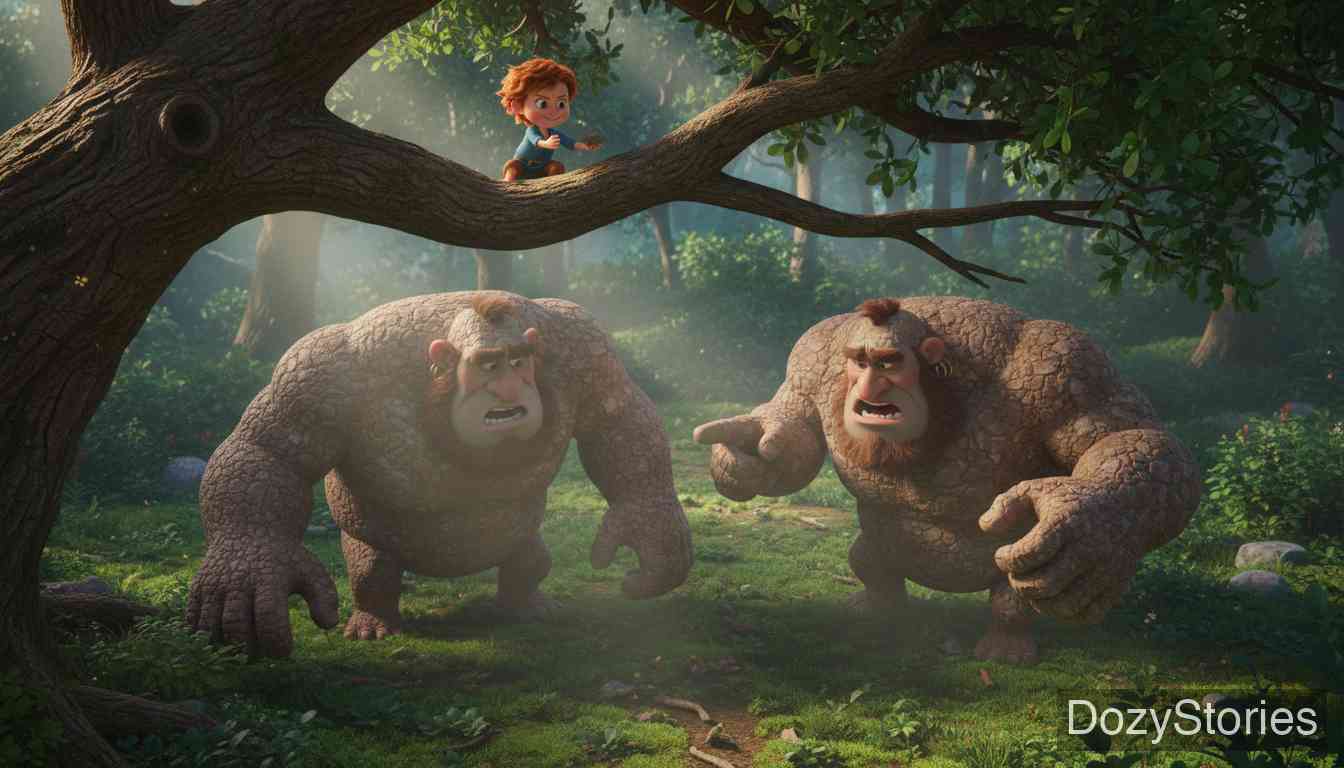
In my forest live two fierce giants.
王国的林子里住着两个凶猛的巨人。
Moved suddenly and very quickly.
猛冲;飞奔。
The nimble tailor darted into a small chapel nearby and jumped out through a window.
小裁缝眼疾脚快,一头钻进路旁一座小教堂,从对面的窗子跳了出去。
Grabbed or took hold of something suddenly and firmly.
抓住;攫住。
Fear seized them.
恐惧攫住了他们的心。
Reading Together & Learning More
The Moral
No amount of strength can beat a mind that thinks. Wit wins where muscle fails.
Educational Value
Shows children that thinking comes before fighting: with confidence and cleverness, even the small can overcome the mighty.
Tips for Parents
While reading, ask your child whether the tailor ever won by strength, and which trick he used each time. Then talk about how we can use our heads when we meet someone or something much stronger than us.
Talk About It
- The tailor's belt says "seven at one stroke," but he only killed flies. He never lies — he just lets people misunderstand. Is that all right?
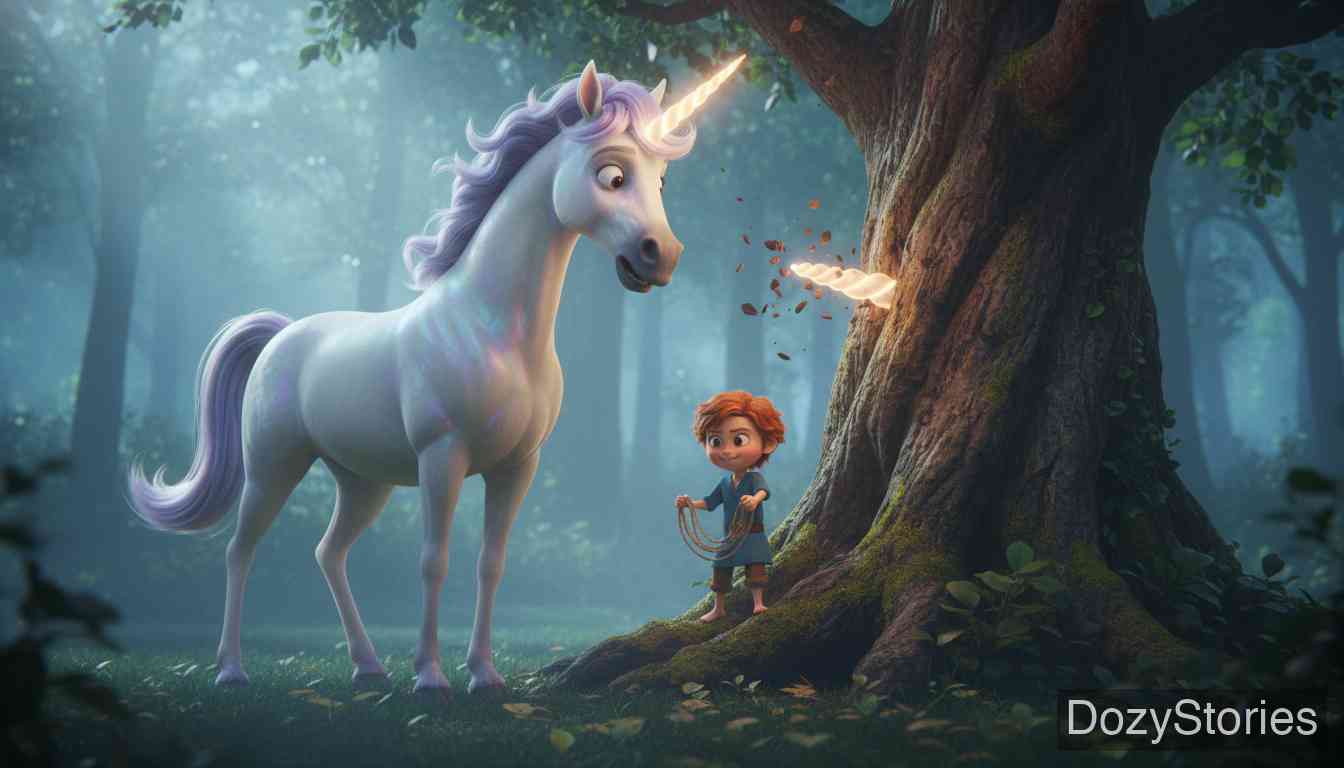
- The tailor never won by strength — not against the giants, the unicorn, or the boar. Which trick did he use each time?
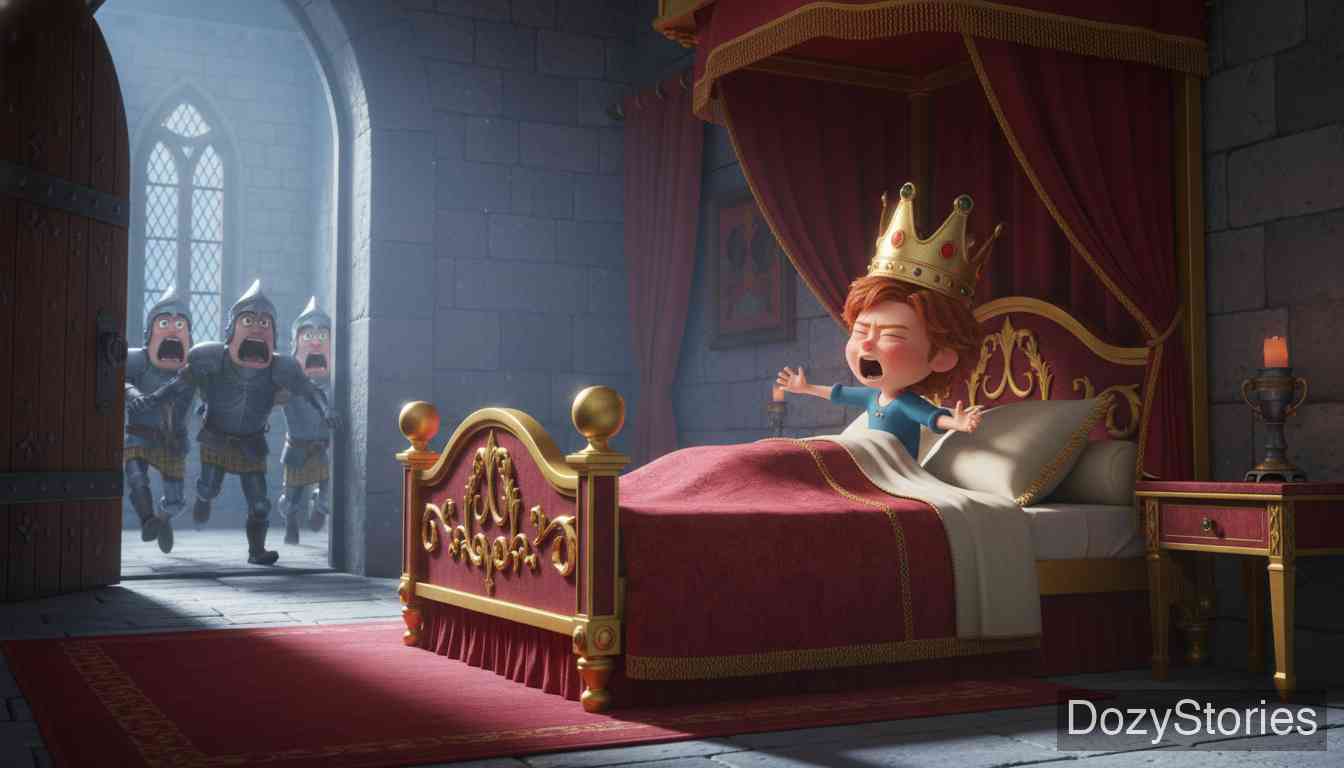
- The king kept trying to get rid of the tailor. Why did he still give him the princess in the end?
- If you were the tailor, what would you write on your belt?
- The story says a clever mind beats a strong arm. Do you agree? Can you give an example from your own life?