The Story of the Youth Who Went Forth to Learn What Fear Was
Introduction
This tale, catalogued by folklorists as ATU 326, is one of the funniest ghost stories in the Brothers Grimm collection — and that is exactly why we have retold it as a fable. A fable needs plain characters and a clear point, and this story has both. Our hero is a simpleton who fears nothing, not because he is brave, but because he has simply never met real danger. There is an old Chinese saying: a newborn calf does not fear the tiger. The calf is not courageous; it simply has no idea what a tiger is. In the same way, the boy's fearlessness is not a strength but a gap in his knowledge of the world. The Grimms piled up every classic horror prop — gallows, skulls, a coffin, a haunted castle — yet wrote it all in a comic key, so the tale reads as parody rather than terror. Our retelling keeps that playful spirit, trims the long scenes into the short, brisk moves of a fable, and lets the moral speak plainly at the end. Parents may use this story to help children name their own fears, and to see fear not as shame but as a useful inner alarm. After all, the boy finally learns to shudder not from any ghost, but from a bucket of cold water — the most ordinary thing in the world.
Vocabulary from "The Story of the Youth Who Went Forth to Learn What Fear Was"
12 key words from this story with definitions and original context sentences for language learners.
To shake for a moment because you are very cold or afraid.
(因寒冷或害怕而)发抖、打颤。
As he walked he said over and over to himself, "If I could only shudder! If I could only shudder!"
他一路走,一路念叨:「若能发毛便好了!若能发毛便好了!」
A very stupid person.
笨蛋;木头脑袋。
His brother laughed and thought, "What a blockhead my brother is! He will never come to anything as long as he lives."
哥哥听了,心里暗笑:「我这弟弟真是个榆木疙瘩!怕是一辈子也成不了器。」
Wanting to know or learn about something.
好奇的;爱打听的。
Too many curious people have lost their lives over that business.
那桩事已经害死了多少好奇的人!
Visited by ghosts.
闹鬼的。
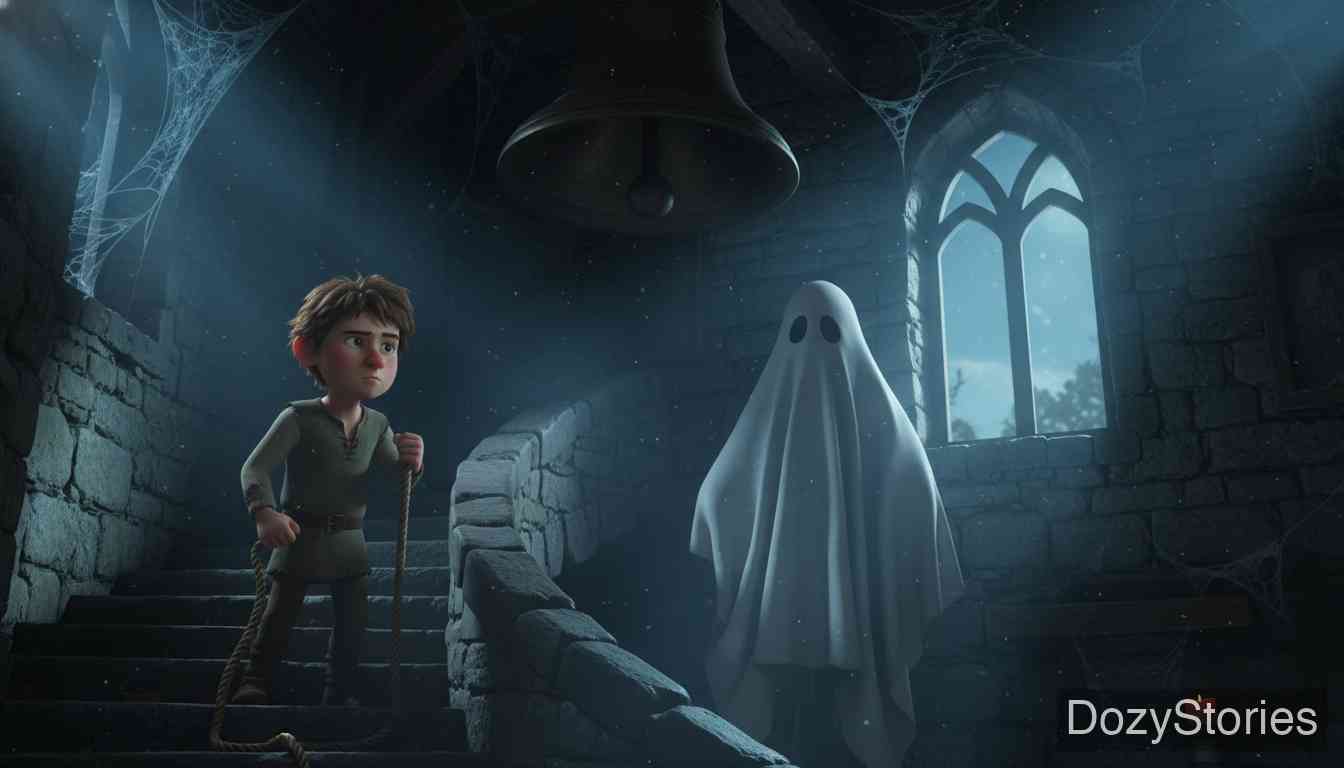
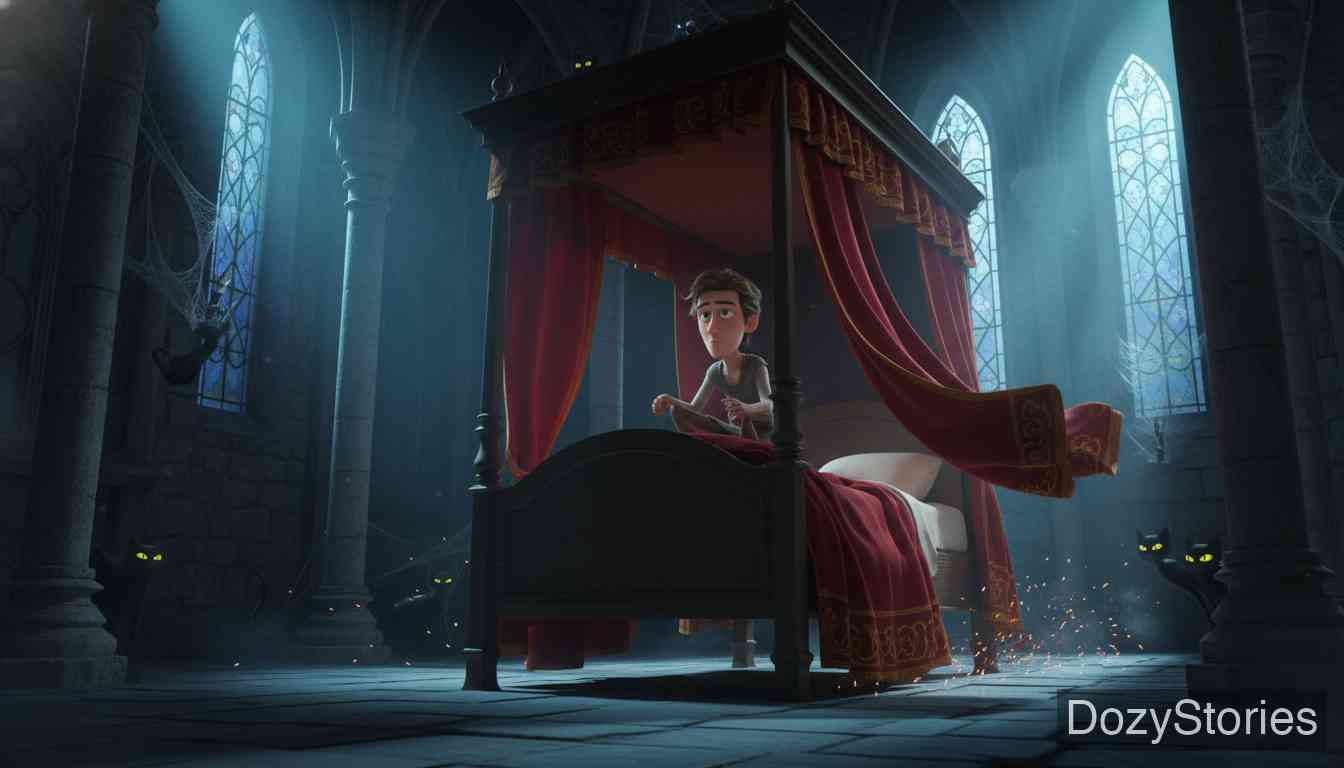
Not far away stood a haunted castle.
离此不远,有一座闹鬼的城堡。
A machine that spins wood or metal while it is shaped.
旋床;车床。
"I ask for this: a fire, a turning lathe, and a cutting-board, with a knife."
「我要一堆火、一台旋床,还有一块案板,连同一把刀。」
Small wild animals that cause harm or damage.
害人的小畜生;害物。
He seized his knife and cried, "Off with you, vermin!"
他抄起刀来,喝道:「滚开,你们这些害人的畜生!」
The box in which a dead person is buried.
棺材。
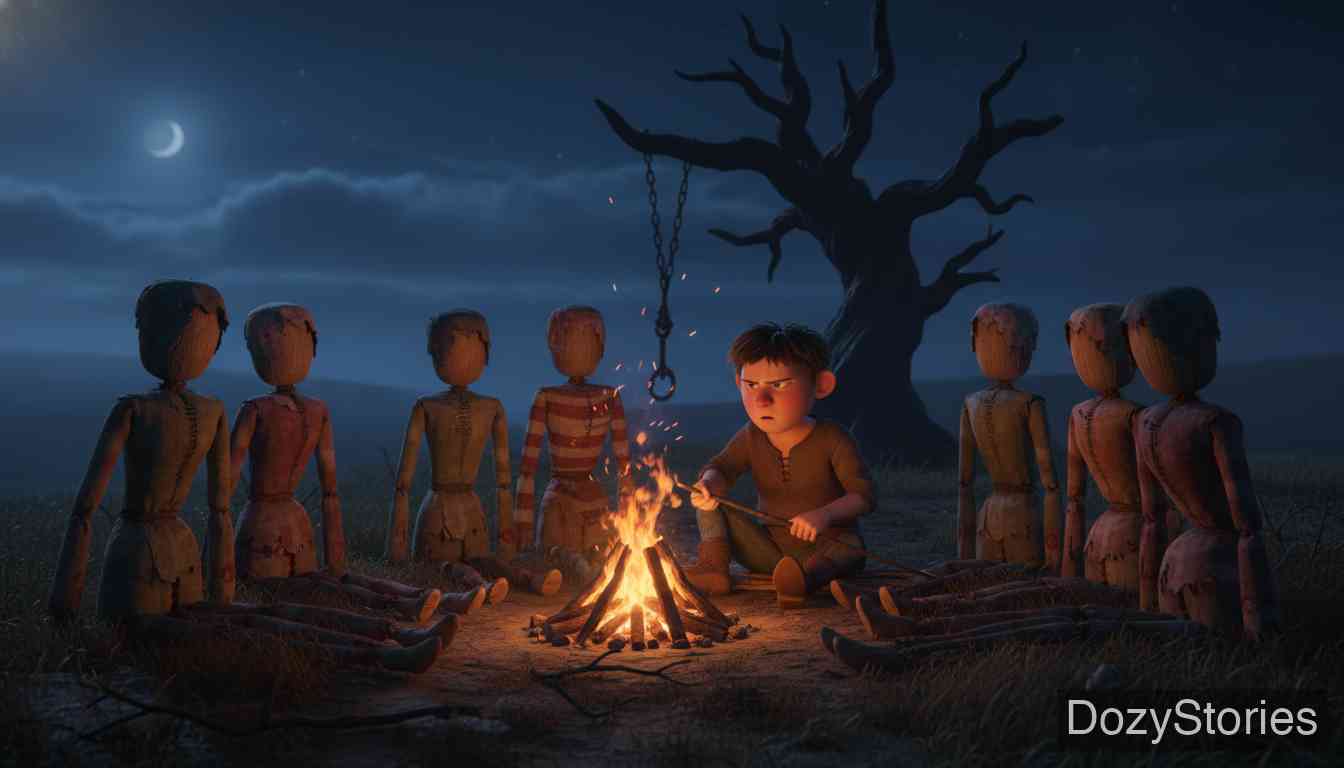
When it grew late, six tall men came in, carrying a coffin.
天晚时分,六个大汉抬着一口棺材进来。
To kill someone by squeezing their neck.
掐死;勒死。
But the dead man sat up and cried, "Now I shall strangle you!"
谁知那死人翻身坐起,叫道:「这便掐死你!」
The heavy iron block on which a smith hammers metal.
铁砧。
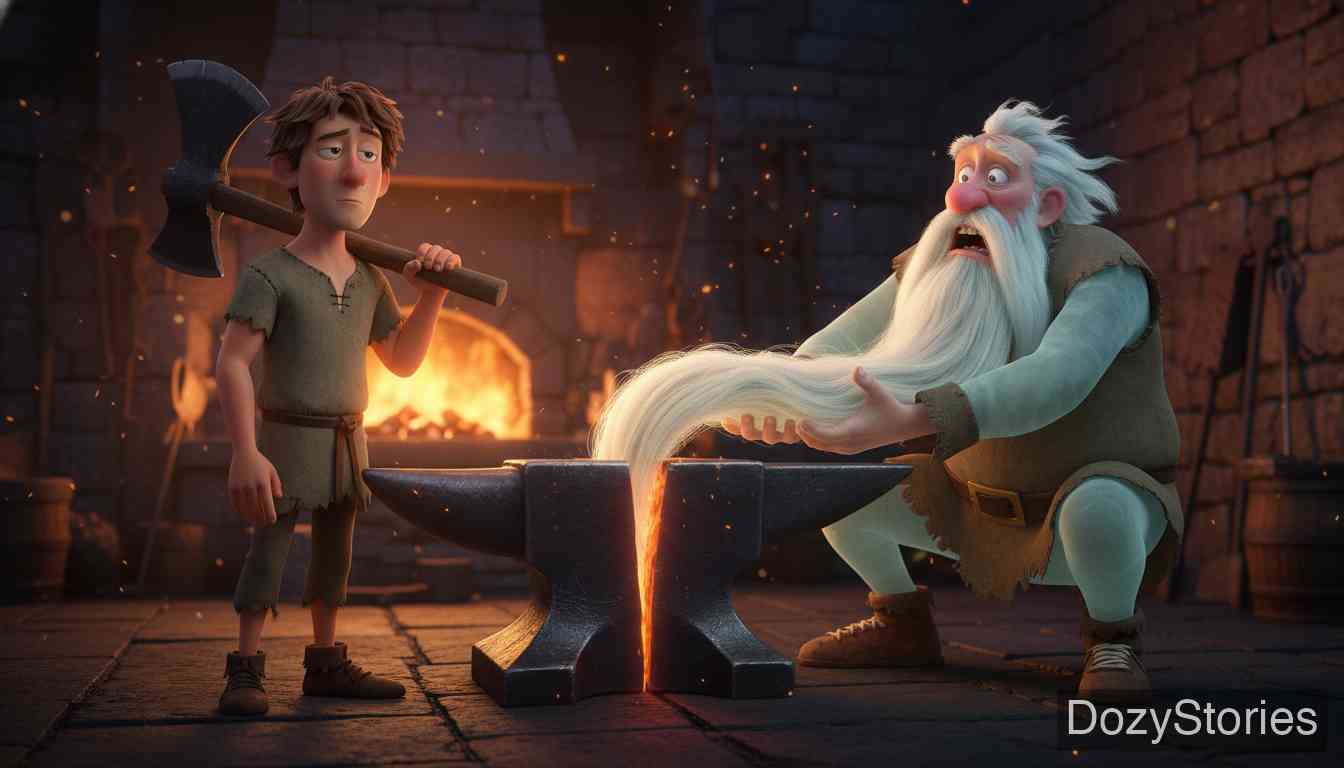
There he took up an axe, and with a single blow he drove one of the anvils into the earth.
老者在那里抄起一把斧头,只一下,就把一座铁砧劈进了土里。
Kindness shown to someone you have power over.
宽恕;怜悯。
He took up an iron bar and beat the old man until he groaned and begged for mercy, promising him great riches.
他抄起一根铁棍,打得老者连连呻吟,苦苦求饶,答应献出大笔财宝。
A question or problem that is hard to understand.
谜;费解之事。
"That is good news," said the boy, "but shuddering is still a riddle to me."
「这是好事。只是发毛,于我仍是一个谜。」
Moved or fell in a loose, heavy way.
(笨重地)乱扑腾、乱蹦。
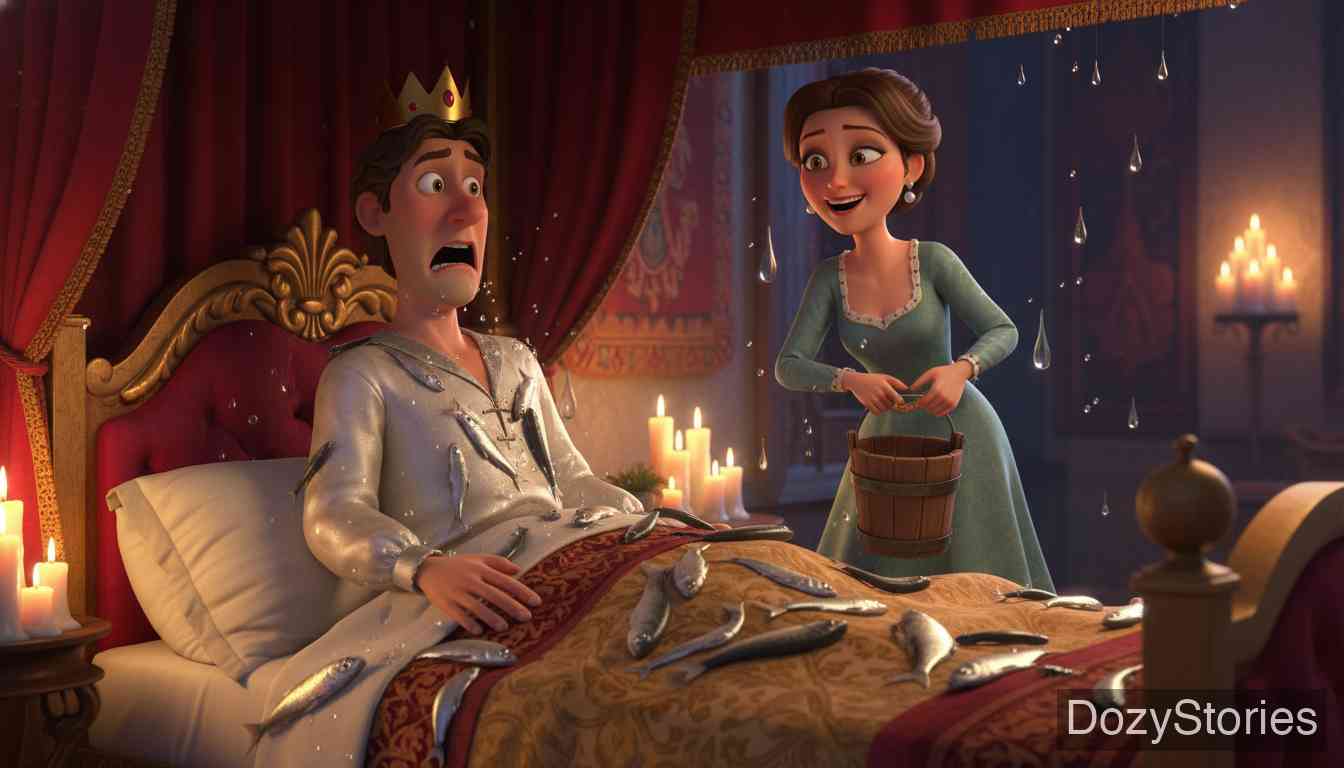
That night, while the young king slept, his wife drew the covers off him and emptied the bucket of cold water and fish over him, so that the little fish flopped all over his body.
当夜,年轻的国王睡得正香,王后轻轻掀开被子,把那桶带鱼的凉水兜头浇了下去,一条条小鱼在他身上乱蹦乱跳。
Reading Together & Learning More
The Moral
Feeling fear is nothing to be ashamed of; it is nature's little warning that keeps us safe from harm, and everyone needs it. The real strength lies not in fearing nothing, but in knowing when to be afraid.
Educational Value
Helps children see the value of fear: it is an instinct that protects us, not a sign of weakness. The tale also shows children that everyone lacks some skill, and everyone has something they do not yet understand.
Tips for Parents
As you read, ask your child: is the simpleton brave, or just careless? Then talk about the use of fear — we look both ways before crossing the road and stay out of the dark because we can feel afraid. Let your child name his own fears, and talk about what to do when fear comes.
Talk About It
- The hero is afraid of nothing. Do you think that is bravery, or is it a little careless? Would a person who never feels fear live a better life?
- The very same things — black cats, skulls, hanged men — frighten other people but not him. What do you think decides whether we feel afraid?
- He travels the world and fights evil spirits, yet in the end a bucket of cold water and a few little fish make him cry out. Why do you think the most ordinary thing taught him?
- The ending says that knowing when to be afraid is the real strength. Can you name a time in your own life when it was right to feel afraid?
- If you had to teach this simpleton to shudder, what would you try besides cold water and little fish?