Old Sultan

Introduction

'Old Sultan' is one of the warmest and most humorous animal stories in the Grimm collection (folklorists number it ATU 101, 'The Old Dog Rescues the Child'). Its opening carries a sting of sadness: a faithful old dog has lost his teeth and can no longer work, and his master plans simply to shoot him—which raises an old and very real question: when a once-loyal servant (whether animal or human) grows old and is no longer 'useful,' how should we treat them? The story's answer is gratitude and kindness. Tellingly, the 'kidnapping and rescue' the wolf arranges for the dog is itself a well-meaning trick; and the later 'duel' between wolf and dog is a classic piece of comedy—the three-legged cat lifts its tail in pain and is mistaken for a soldier bearing a sabre, while its limping hops are taken for it stooping to gather stones. This 'mistaken weapon' gag delighted audiences long ago in medieval beast epics such as Reynard the Fox. One language note: the wolf calls the dog 'gossip,' a word that in older English did not mean idle rumor at all but was an affectionate name for a close friend or godparent. As you read, ask your child: was the master right to plan to kill the old dog? And what does it tell us that even the wolf and the dog end as friends?

Font Size
Image Layout
1 / 18
Stopped
A farmer once had a faithful dog called Sultan, who had grown old, and lost all his teeth, so that he could no longer hold anything fast. One day the farmer was standing with his wife before the house-door, and said, "To-morrow I intend to shoot Old Sultan, he is no longer of any use."
His wife, who felt pity for the faithful beast, answered, "He has served us so long, and been so faithful, that we might well give him his keep."
"Eh! what?" said the man. "You are not very sharp. He has not a tooth left in his mouth, and not a thief is afraid of him; now he may be off. If he has served us, he has had good feeding for it."
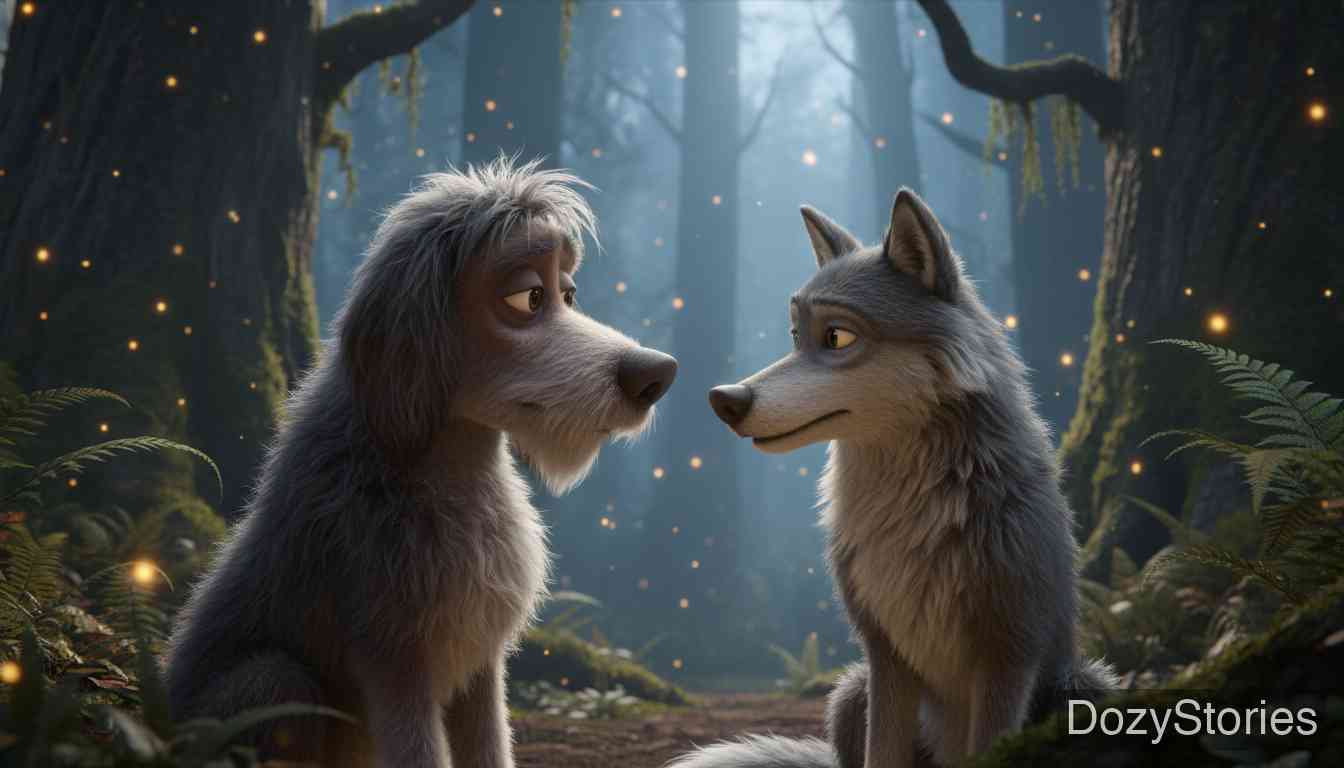
The poor dog, who was lying stretched out in the sun not far off, had heard everything, and was sorry that the morrow was to be his last day. He had a good friend, the wolf, and he crept out in the evening into the forest to him, and complained of the fate that awaited him.
"Hark ye, gossip," said the wolf, "be of good cheer, I will help you out of your trouble. I have thought of something. To-morrow, early in the morning, your master is going with his wife to make hay, and they will take their little child with them, for no one will be left behind in the house. They are wont, during work-time, to lay the child under the hedge in the shade; you lay yourself there too, just as if you wished to guard it."
"Then I will come out of the wood, and carry off the child. You must rush swiftly after me, as if you would seize it again from me. I will let it fall, and you will take it back to its parents, who will think that you have saved it, and will be far too grateful to do you any harm; on the contrary, you will be in high favor, and they will never let you want for anything again."
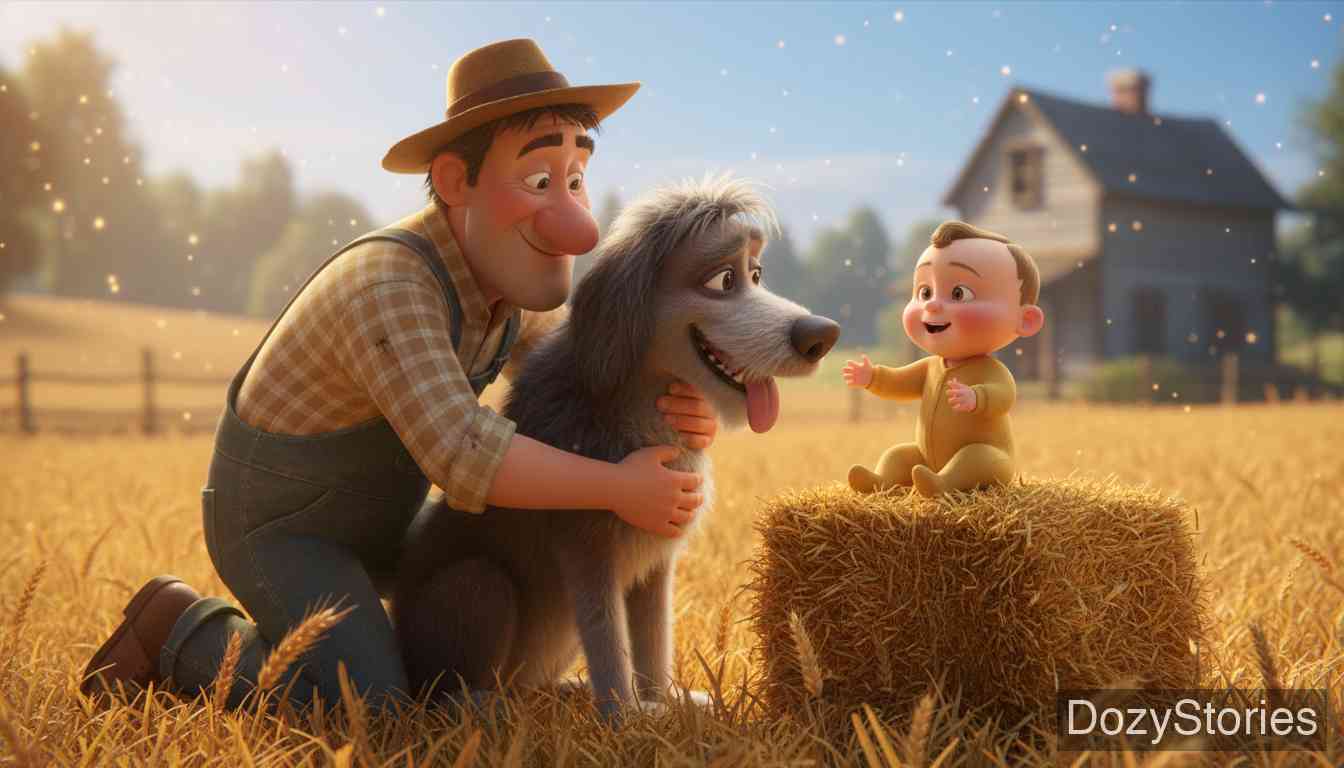
The plan pleased the dog, and it was carried out just as it was arranged. The father screamed when he saw the Wolf running across the field with his child, but when Old Sultan brought it back, then he was full of joy, and stroked him and said, "Not a hair of yours shall be hurt, you shall eat my bread free as long as you live."
And to his wife he said, "Go home at once and make Old Sultan some bread-sop that he will not have to bite, and bring the pillow out of my bed, I will give him that to lie upon."
Henceforth Old Sultan was as well off as he could wish to be. Soon afterwards the wolf visited him, and was pleased that everything had succeeded so well.
"But, gossip," said he, "you will just wink an eye if when I have a chance, I carry off one of your master's fat sheep."
"Do not reckon upon that," answered the dog; "I will remain true to my master; I cannot agree to that."
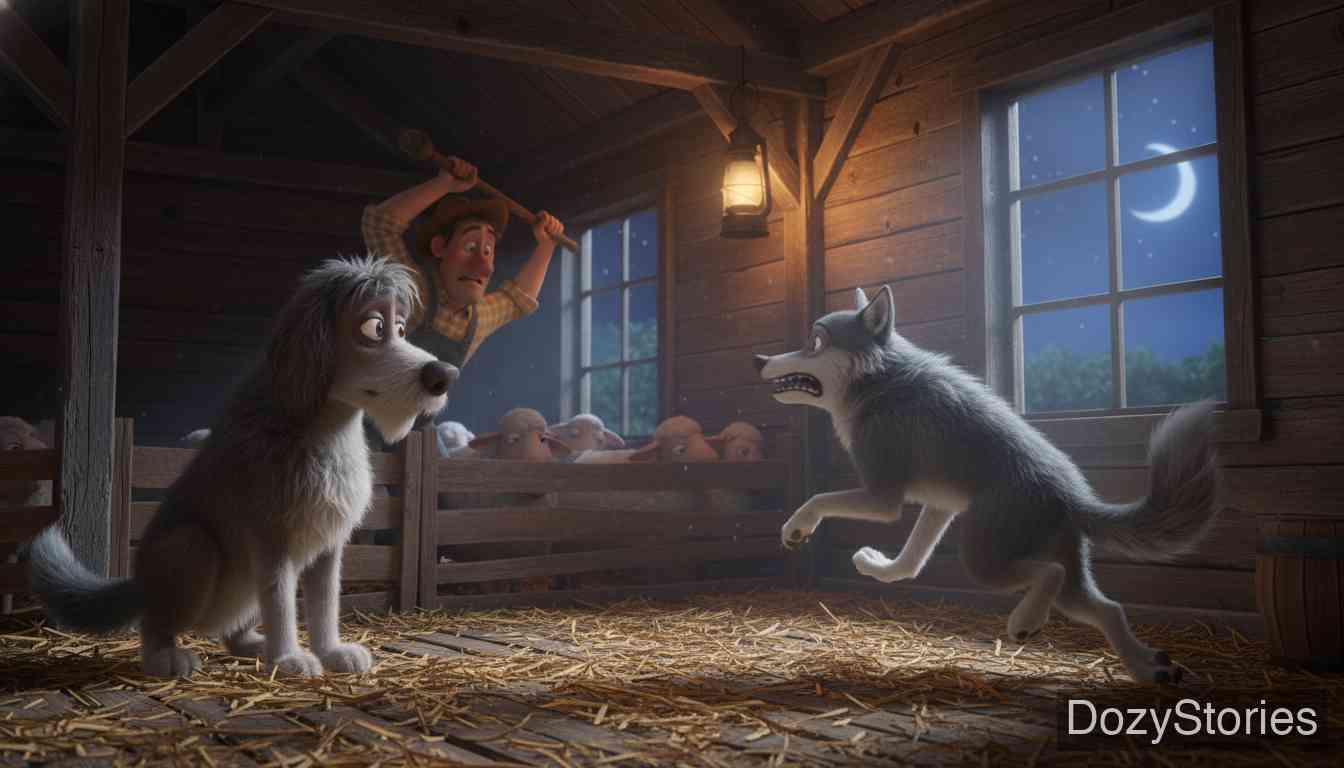
The wolf, who thought that this could not be spoken in earnest, came creeping about in the night and was going to take away the sheep. But the farmer, to whom the faithful Sultan had told the wolf's plan, caught him and dressed his hide soundly with the flail. The wolf had to pack off, but he cried out to the dog, "Wait a bit, you scoundrel, you shall pay for this."
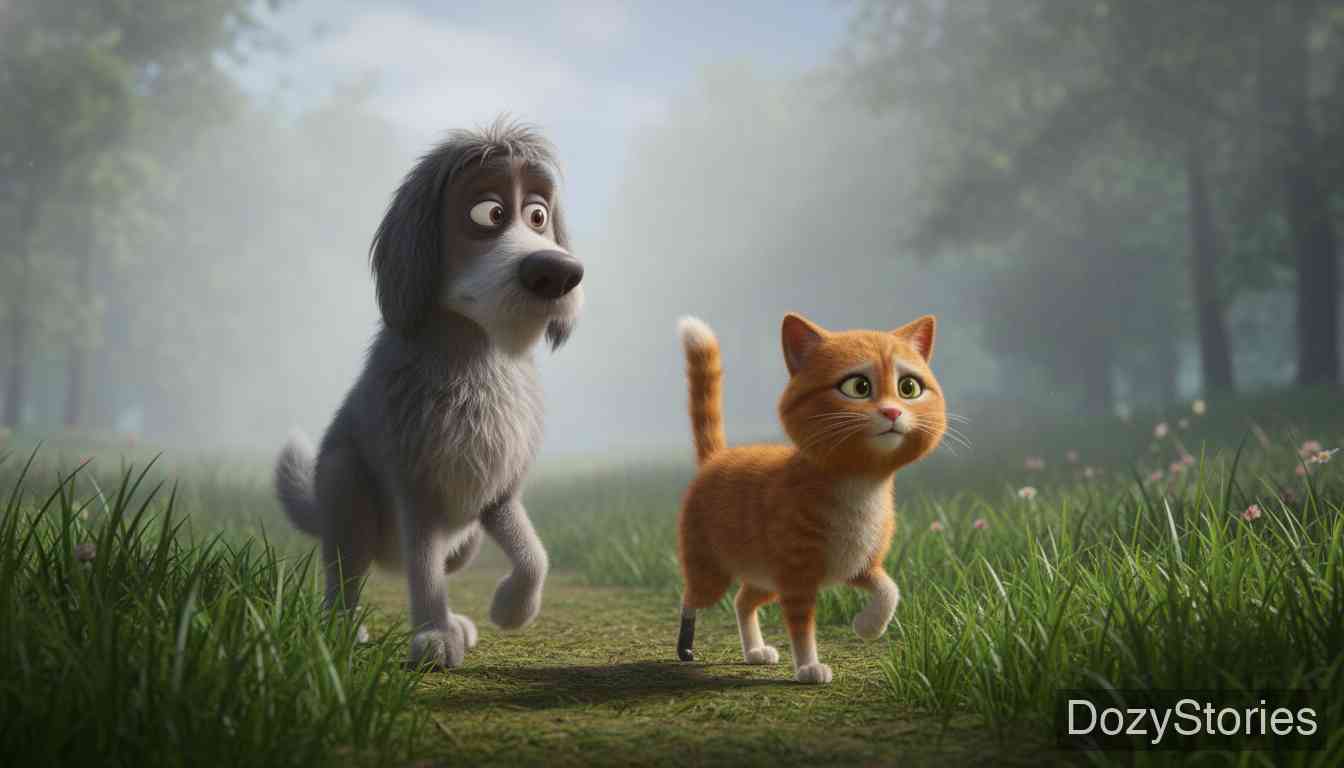
The next morning the wolf sent the boar to challenge the dog to come out into the forest so that they might settle the affair. Old Sultan could find no one to stand by him but a cat with only three legs, and as they went out together the poor cat limped along, and at the same time stretched out her tail into the air with pain.
The wolf and his friend were already on the spot appointed, but when they saw their enemy coming they thought that he was bringing a sabre with him, for they mistook the outstretched tail of the cat for one. And when the poor beast hopped on its three legs, they could only think every time that it was picking up a stone to throw at them.
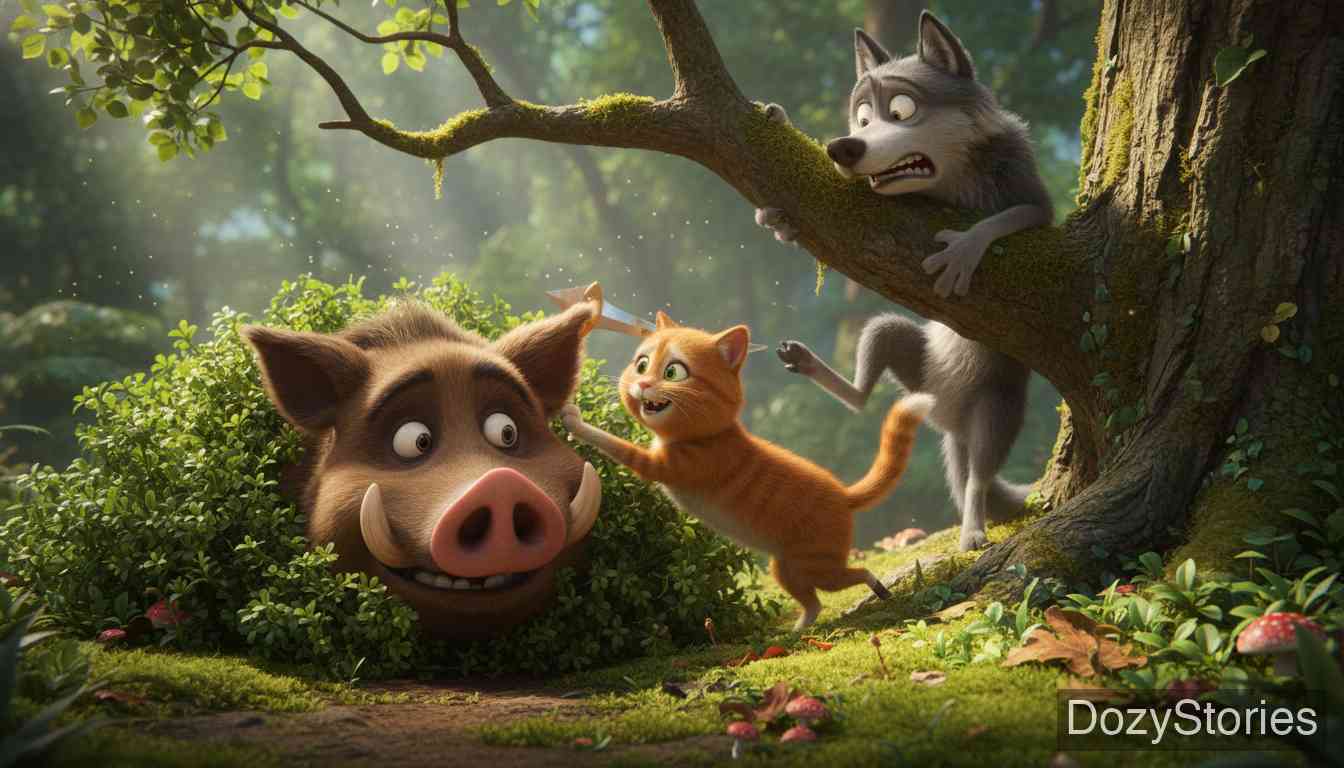
So they were both afraid; the wild boar crept into the under-wood and the wolf jumped up a tree. The dog and the cat, when they came up, wondered that there was no one to be seen.
The wild boar, however, had not been able to hide himself altogether; and one of his ears was still to be seen. Whilst the cat was looking carefully about, the boar moved his ear; the cat, who thought it was a mouse moving there, jumped upon it and bit it hard.
The boar made a fearful noise and ran away, crying out, "The guilty one is up in the tree."
The dog and cat looked up and saw the wolf, who was ashamed of having shown himself so timid, and made friends with the dog.

Vocabulary from "Old Sultan"

12 key words from this story with definitions and original context sentences for language learners.

faithfulB1
/ˈfeɪθfl/adj.

Loyal and true; always doing what you should for someone you serve or love.

忠诚的;忠实的;尽职尽责的。

A farmer once had a faithful dog called Sultan, who had grown old, and lost all his teeth, so that he could no longer hold anything fast.

从前,有个农夫养了一只忠诚的狗,名叫苏丹。苏丹现在老了,牙齿也掉光了,什么东西也咬不住了。

crept(creep)B2
/krept/v.

Moved slowly and quietly so as not to be noticed.

悄悄地移动;蹑手蹑脚地走。

He had a good friend, the wolf, and he crept out in the evening into the forest to him.

它有个好朋友,就是森林里的狼。到了晚上,它溜进森林去找狼。

guardB1
/ɡɑːrd/v.

To watch over someone or something in order to keep them safe.

守护;看守;保护。

You lay yourself there too, just as if you wished to guard it.

你就躺在那里,假装在看护孩子。

seizeB2
/siːz/v.

To take hold of something suddenly and firmly.

抓住;夺取;一把抓过。

You must rush swiftly after me, as if you would seize it again from me.

你要立刻猛追过来,假装要把孩子从我手里抢回去。

gratefulB1
/ˈɡreɪtfl/adj.

Feeling thankful for something someone has done for you.

感激的;感恩的。

You will take it back to its parents, who will think that you have saved it, and will be far too grateful to do you any harm.

你再把他送回父母身边。他们会以为是你救了孩子,肯定对你感激不尽,绝不会伤害你。

reckonB2
/ˈrekən/v.

To count on or expect something.

指望;料想;认为(会怎样)。

"Do not reckon upon that," answered the dog; "I will remain true to my master."

'别指望这个,'狗回答说,'我会对我的主人保持忠诚。'

flailC1
/fleɪl/n.

A tool made of a stick swinging from a handle, once used to beat grain from its stalks.

连枷(一种用来打谷脱粒的农具,柄端连着可甩动的木棒)。

But the farmer, to whom the faithful Sultan had told the wolf's plan, caught him and dressed his hide soundly with the flail.

但是农夫已经听了忠诚的苏丹的告密,逮住了狼,用连枷狠狠地把它的皮梳理了一顿。

scoundrelC1
/ˈskaʊndrəl/n.

A dishonest or wicked person; a rascal.

恶棍;无赖;坏蛋。

He cried out to the dog, "Wait a bit, you scoundrel, you shall pay for this."

它对狗大叫道:'等着瞧,你这个坏蛋,你会为此付出代价的。'

limped(limp)B2
/lɪmpt/v.

Walked unevenly because one leg or foot was hurt.

一瘸一拐地走;跛行。

As they went out together the poor cat limped along, and at the same time stretched out her tail into the air with pain.

这只可怜的猫一瘸一拐地走着,同时因为疼痛把尾巴翘到了空中。

sabreC1
/ˈseɪbər/n.

A sword with a long, curved blade.

军刀;马刀(刀身长而弯曲的剑)。

But when they saw their enemy coming they thought that he was bringing a sabre with him.

但当它们看到敌人走来时,以为对方带了一把军刀。

mistook(mistake)B2
/mɪˈstʊk/v.

Wrongly thought that one thing or person was another.

认错;把……误认为(别的东西)。

For they mistook the outstretched tail of the cat for one.

因为它们把猫翘起的尾巴误认为是刀。

timidB2
/ˈtɪmɪd/adj.

Shy and easily frightened; not brave.

胆小的;胆怯的;羞怯的。

The dog and cat looked up and saw the wolf, who was ashamed of having shown himself so timid, and made friends with the dog.

狗和猫抬头一看,看见了狼。狼为自己表现得如此胆小而感到羞愧,于是和狗重归于好了。

Reading Together & Learning More

The Moral

Loyalty and kindness deserve to be remembered and repaid; no one—and no faithful animal—should be cast aside merely for growing old and no longer being 'useful.'

Educational Value

Leads children to feel the value of loyalty, gratitude, and kindness toward the weak and the old; the comic 'duel' also lets them see, amid the laughter, how a misunderstanding builds step by step.

Tips for Parents

Use the old dog's plight to talk with your child about how we treat elderly family members and long-loved pets; you can also have them trace how the story's 'misunderstanding' grows step by step.

Talk About It

  1. Old Sultan served his master faithfully all his life, yet in old age was nearly killed. Do you think the master's first plan was right?
  2. The wolf stages a fake kidnapping. It is a deception, yet it saves the dog's life. What do you make of such a 'kind lie'?
  3. The dog owes the wolf a great debt, but when the wolf wants to steal a sheep, the dog refuses. Was he right? What would you have done?
  4. In the end the wolf and dog do not really fight, but become friends again. What made them make peace?
  5. The elderly, long-used old things, or a pet we've kept for years—even when they are no longer 'useful,' how should we treat them?