Little Red Riding Hood
Introduction
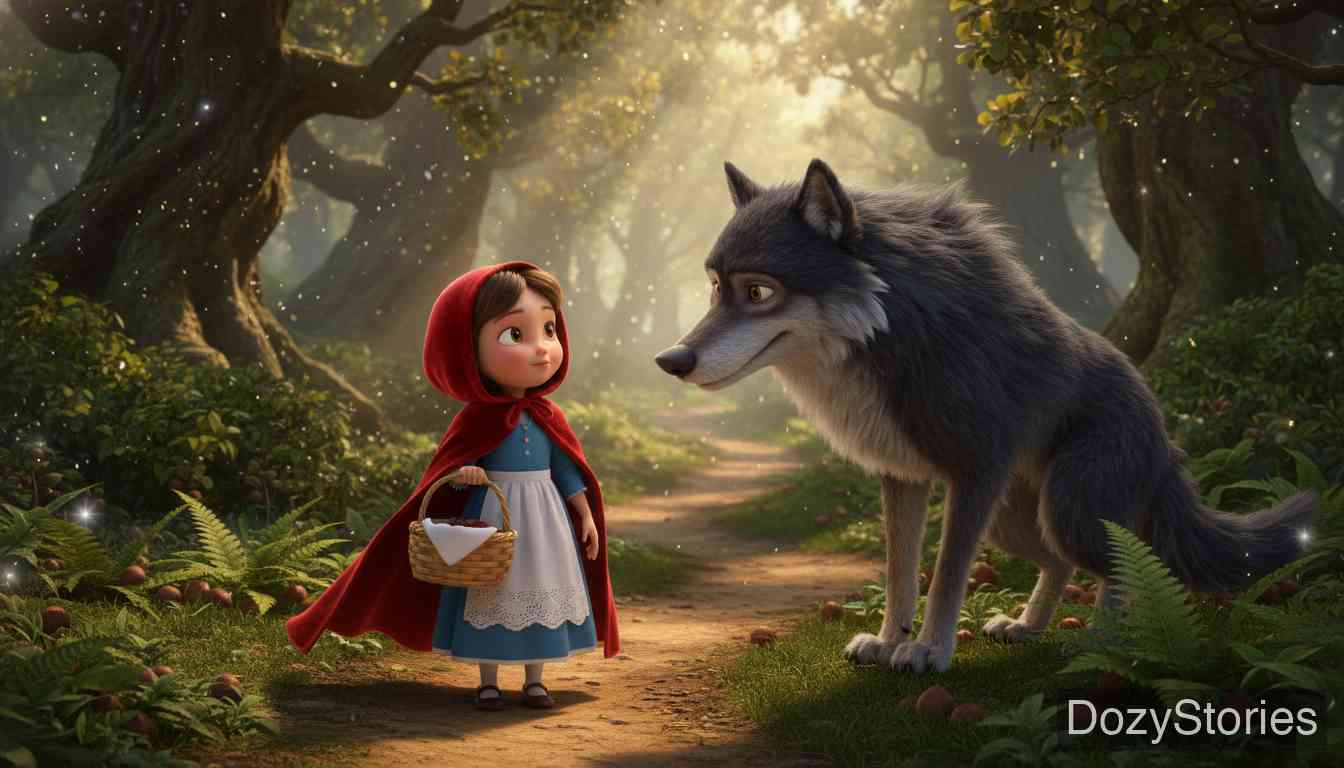
Every child knows the story of the girl in the red cap, but the way a tale is told changes what it teaches. In this version we retell it as a fable in the Chinese tradition: no long descriptions, no inner monologues, just the plot moving forward step by step, like an elder telling a story by lamplight and pointing out the lesson in a few plain words. A fable is short and sharp, and it trusts the listener to weigh what is right and wrong. Chinese readers will feel at home with this tale at once. The wolf's sweet talk calls to mind the old saying about a weasel paying a New Year visit to a hen — kindness that hides bad intentions. And the grandmother's trick of luring the wolf into the water trough is the ancient wisdom of turning an enemy's plan against himself. It is also worth knowing how this story grew. In the version written down by Charles Perrault in France, the wolf eats the girl and the tale simply ends — a warning, not a rescue. The Brothers Grimm added the huntsman who cuts open the wolf and saves them, giving children a kinder ending. As you read with your child, play a small game: what did the girl do wrong the first time she met the wolf, and what did she do right the second time? Compare the two, and the moral of the fable will rise to the surface on its own.
Vocabulary from "Little Red Riding Hood"
12 key words from this story with definitions and original context sentences for language learners.
Clever in a sneaky way; good at tricking others.
狡猾的;诡计多端的。
The girl was young and did not know that wolves are cunning, so she told him everything.
小红帽年幼,不知狼的狡诈,一五一十答道。
A row of bushes planted close together, like a green fence.
树篱;灌木丛围成的篱笆。
"Deep in the woods, under three big oak trees, beside a hedge of hazel bushes," said Little Red Riding Hood.
“林子深处,三棵大橡树底下,门前还有一排榛树篱。”
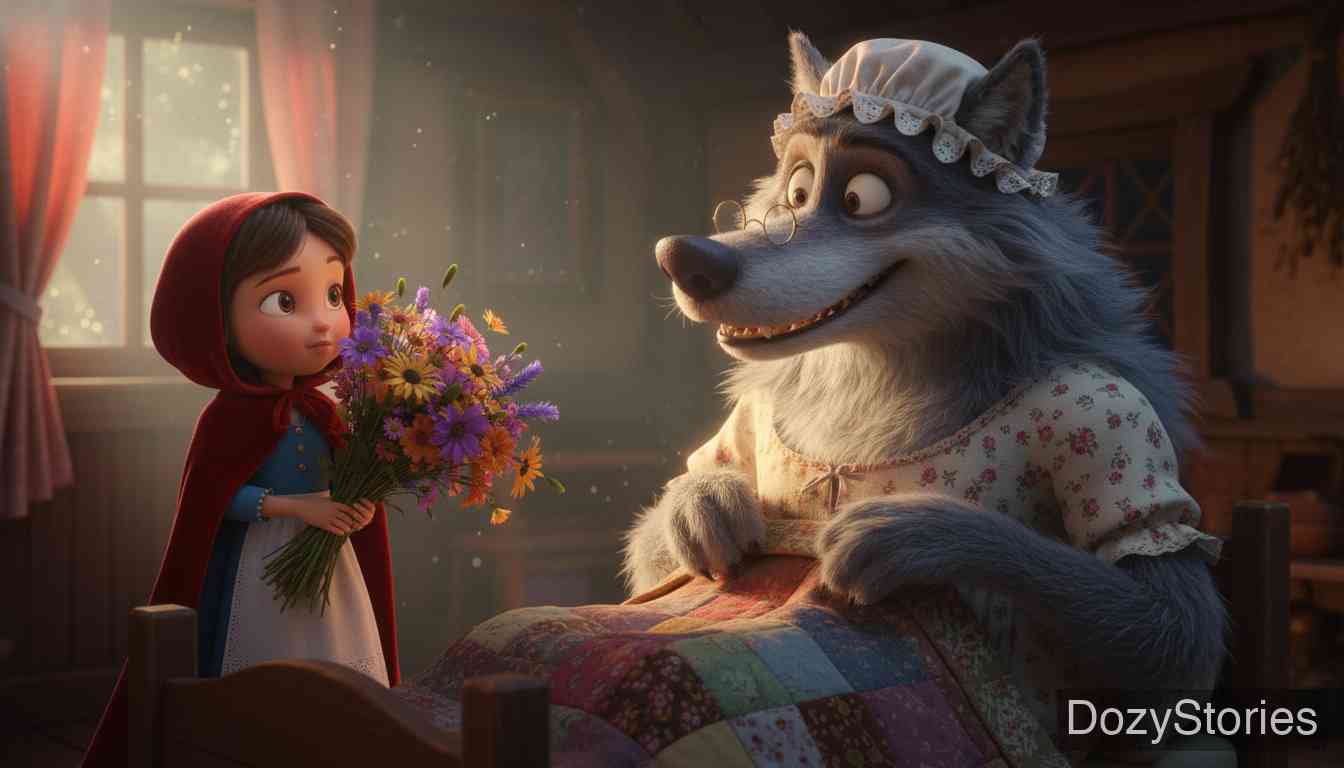
A number of flowers or other things held together.
一束;一捆。
Pick a bunch of flowers for your grandmother.
何不采一束花,给外婆带去?
The bright light that comes from the sun.
阳光。
Sunlight fell through the leaves, and the ground was full of bright flowers.
阳光穿过树叶,地上开满鲜花。
Ran after something to try to catch it.
追赶;追逐。
Every time she picked one, she saw a prettier one a little further on, and she chased after it.
采了一朵,又见前面那朵更美,便一路追下去。
Made food or drink go down the throat.
吞下;咽下。
The wolf pushed the door open, went in, and swallowed the old woman in one gulp.
狼推门进屋,扑到床前,一口把外婆吞下肚。
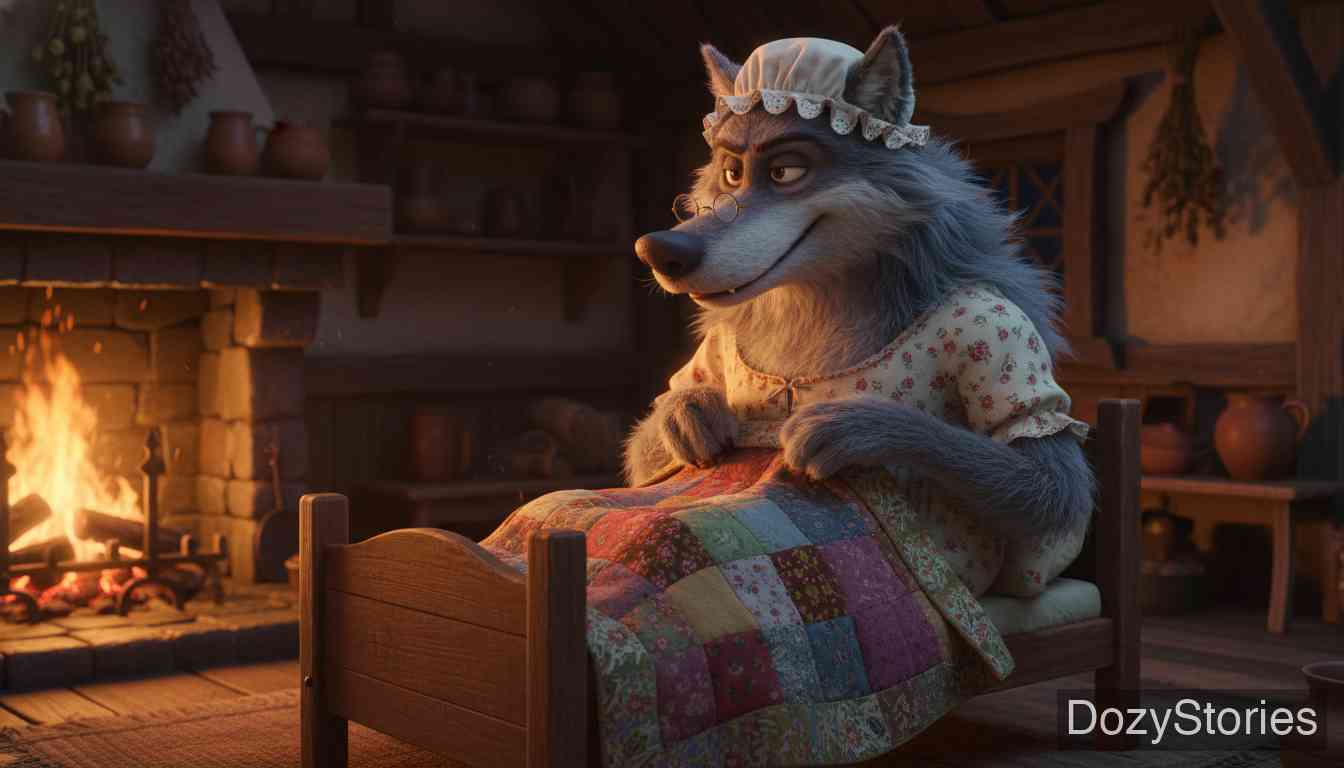
A soft cap worn in bed to keep the head warm.
睡帽。
Then he put on her clothes and nightcap, climbed into her bed, and drew the curtains close.
然后穿上外婆的衣裳,戴上睡帽,钻进被窝,拉严床帘。
Slightly open, not completely closed.
(门)微开的;半掩着的。
When she reached the cottage, the door stood ajar, and she felt a strange unease.
到了门前,见门虚掩着,心里好生奇怪。
A small flash of light that appears and then fades.
微光;一闪的亮光。
After a few cuts, he saw the gleam of a little red cap.
才剪了几下,便露出一点红帽子的颜色。
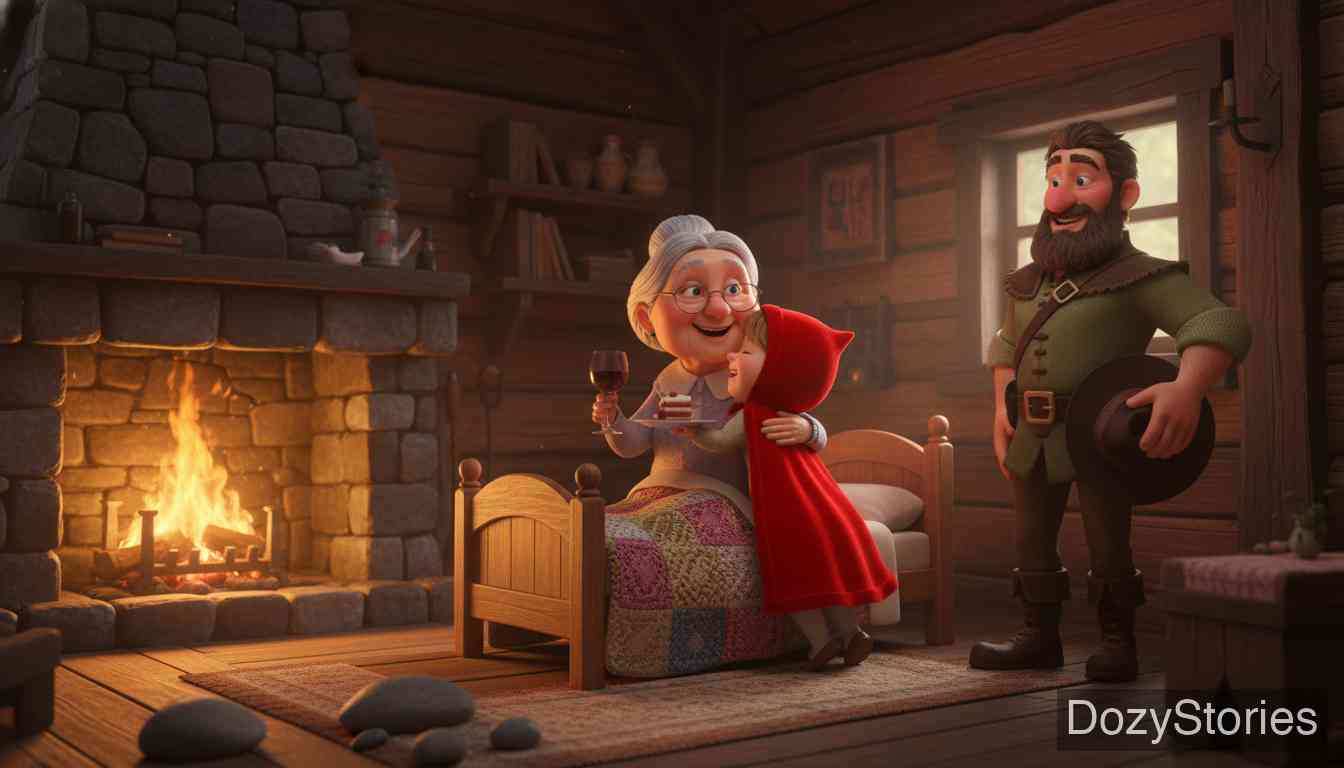
Not hurt at all; completely safe.
安然无恙;平平安安。
Then the grandmother climbed out too, safe and sound.
外婆也活着爬了出来。
To persuade someone gently with kind words.
哄骗;好言劝诱。
Again he tried sweet words to coax her off the path.
这狼依旧花言巧语,想哄她离开大路。
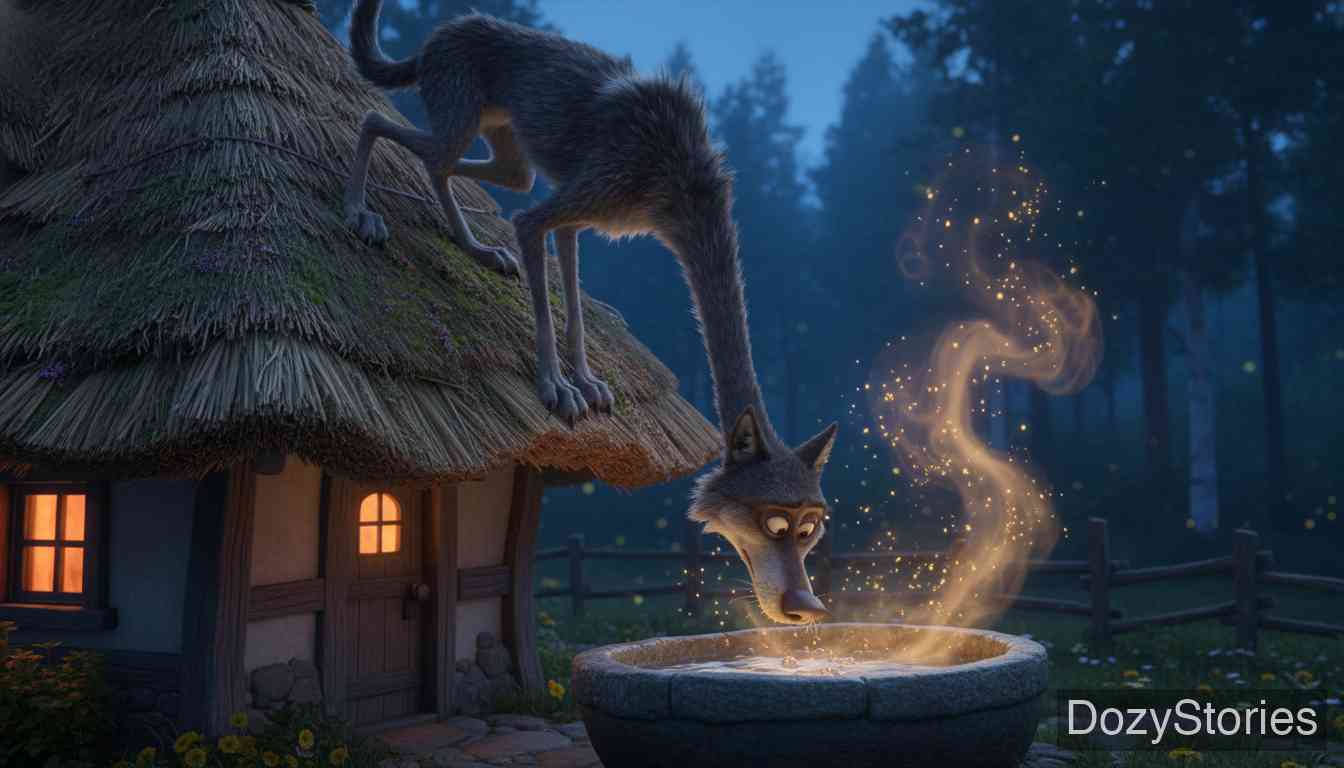
The steady position you need to keep from falling.
平衡。
He stretched his neck to look down, lost his balance, slipped off the roof, and fell straight into the trough.
狼探头往下看,脖子越伸越长,忽然脚下一滑,从屋顶栽下来,正掉进石槽里。
Reading Together & Learning More
The Moral
Sweet words can hide sharp teeth. Listen to those who love you, learn from your mistakes, and stay watchful on the road ahead.
Educational Value
Helps children see the danger of trusting strangers too easily, learn to stay close to grown-ups, and understand that every mistake can teach a useful lesson.
Tips for Parents
After reading, ask your child which of the wolf's words sounded kind and which sounded suspicious, and what they would answer instead. Then agree on simple family rules: always tell a grown-up where you are going, and never chat with strangers on the way.
Talk About It
- Which of the wolf's words sounded pleasant, and which hid danger? Why did the girl not notice?
- What did the girl do wrong the first time she met the wolf? What did she do right the second time? How were the two times different?
- If your grandmother were ill and your mother asked you to carry food to her alone, what would you do?
- The huntsman could have shot the wolf, but he chose scissors instead. Why? How would you save the girl and her grandmother?
- The story says we grow wiser from our mistakes. Has anything ever happened to you that taught you a lesson the hard way?