Fundevogel

Introduction

'Fundevogel' tells of two children, as close as brother and sister, who escape a murderous pursuer by changing shape again and again. This 'magic flight' pattern (folklorists number it ATU 313) is one of the oldest and most widespread story motifs on earth—it appears as far back as the Greek myth of Medea helping Jason flee his pursuers. In most versions of the magic flight, however, the fleeing pair throw magic objects behind them (a comb that becomes a forest, a mirror that becomes a lake); Grimm's tale uses the rarer 'transformation' variant, in which the children themselves turn into a rose-tree and rose, a church and chandelier, a pond and duck. The real heart of the story is the vow they repeat each time—'Never leave me, and I will never leave thee; neither now, nor ever.' The magic works precisely because they never separate and always keep that promise. The name 'Fundevogel' is simply German for 'found-bird' (Fund = find, Vogel = bird), for a bird of prey carried him off and he was found high in a tree. Unlike the many tales that end in a wedding, this one has no romance—only two children guarding each other and coming safely home. As you read, ask your child: what carries them through danger again and again—the magic, or their promise never to part?

Font Size
Image Layout
1 / 8
Stopped
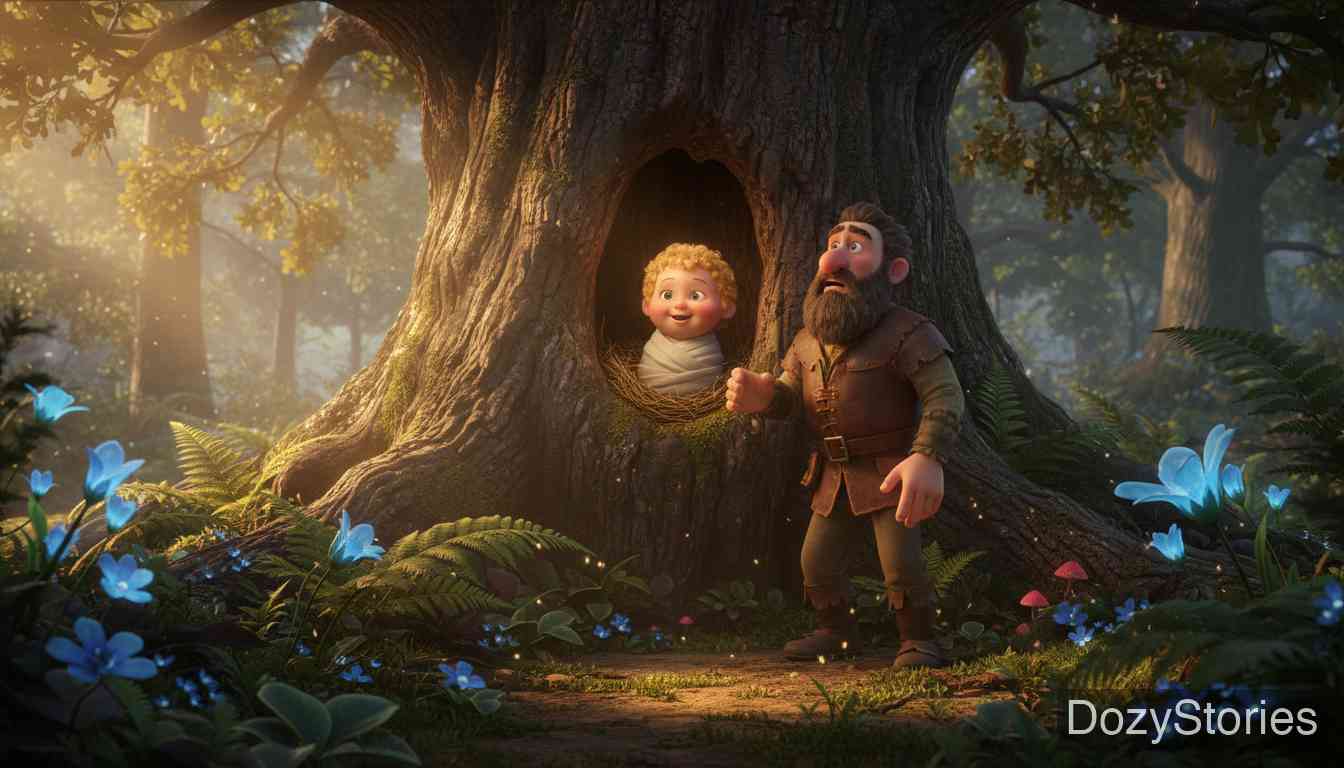
There was once a forester who went into the forest to hunt, and as he entered it he heard a sound of screaming as if a little child were there. He followed the sound, and at last came to a high tree, and at the top of this a little child was sitting, for the mother had fallen asleep under the tree with the child, and a bird of prey had seen it in her arms, had flown down, snatched it away, and set it on the high tree.
The forester climbed up, brought the child down, and thought to himself, "Thou wilt take him home with thee, and bring him up with thy Lina." He took it home, therefore, and the two children grew up together. The one, however, which he had found on a tree was called Fundevogel, because a bird had carried it away. Fundevogel and Lina loved each other so dearly that when they did not see each other they were sad.
The forester, however, had an old cook, who one evening took two pails and began to fetch water, and did not go once only, but many times, out to the spring. Lina saw this and said, "Hark you, old Sanna, why are you fetching so much water?" - "If thou wilt never repeat it to anyone, I will tell thee why." So Lina said, no, she would never repeat it to anyone, and then the cook said, "Early to-morrow morning, when the forester is out hunting, I will heat the water, and when it is boiling in the kettle, I will throw in Fundevogel, and will boil him in it."
Betimes next morning the forester got up and went out hunting, and when he was gone the children were still in bed. Then Lina said to Fundevogel, "If thou wilt never leave me, I too will never leave thee." Fundevogel said, "Neither now, nor ever will I leave thee." Then said Lina, "Then I will tell thee. Last night, old Sanna carried so many buckets of water into the house that I asked her why she was doing that, and she said that if I would promise not to tell any one she would tell me, and I said I would be sure not to tell any one, and she said that early to-morrow morning when father was out hunting, she would set the kettle full of water, throw thee into it and boil thee; but we will get up quickly, dress ourselves, and go away together."
The two children therefore got up, dressed themselves quickly, and went away. When the water in the kettle was boiling, the cook went into the bed-room to fetch Fundevogel and throw him into it. But when she came in, and went to the beds, both the children were gone. Then she was terribly alarmed, and she said to herself, "What shall I say now when the forester comes home and sees that the children are gone? They must be followed instantly to get them back again."
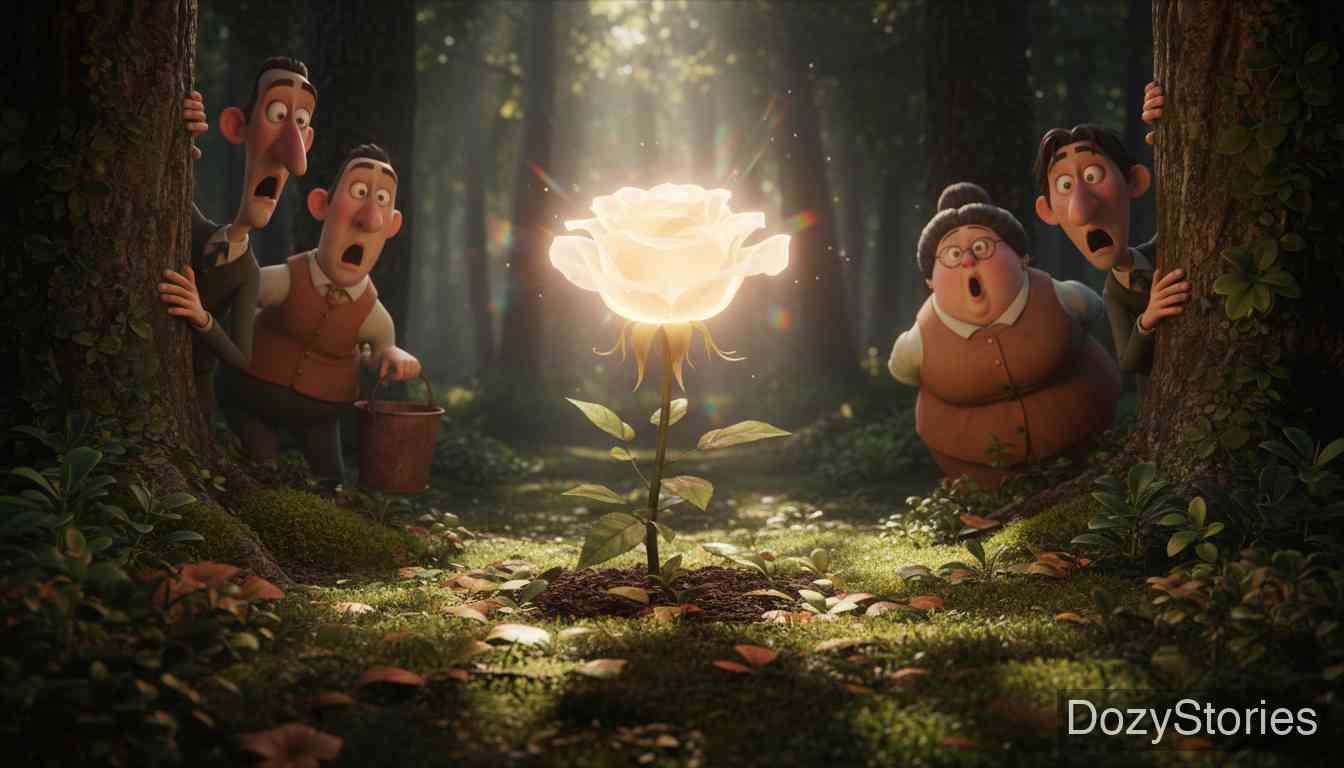
Then the cook sent three servants after them, who were to run and overtake the children. The children, however, were sitting outside the forest, and when they saw from afar the three servants running, Lina said to Fundevogel, "Never leave me, and I will never leave thee." Fundevogel said, "Neither now, nor ever." Then said Lina, "Do thou become a rose-tree, and I the rose upon it." When the three servants came to the forest, nothing was there but a rose-tree and one rose on it, but the children were nowhere. Then said they, "There is nothing to be done here," and they went home and told the cook that they had seen nothing in the forest but a little rose-bush with one rose on it. Then the old cook scolded and said, "You simpletons, you should have cut the rose-bush in two, and have broken off the rose and brought it home with you; go, and do it once."
They had therefore to go out and look for the second time. The children, however, saw them coming from a distance. Then Lina said, "Fundevogel, never leave me, and I will never leave thee." Fundevogel said, "Neither now, nor ever." Said Lina, "Then do thou become a church, and I'll be the chandelier in it." So when the three servants came, nothing was there but a church, with a chandelier in it. They said therefore to each other, "What can we do here, let us go home." When they got home, the cook asked if they had not found them; so they said no, they had found nothing but a church, and that there was a chandelier in it. And the cook scolded them and said, "You fools! why did you not pull the church to pieces, and bring the chandelier home with you?" And now the old cook herself got on her legs, and went with the three servants in pursuit of the children.
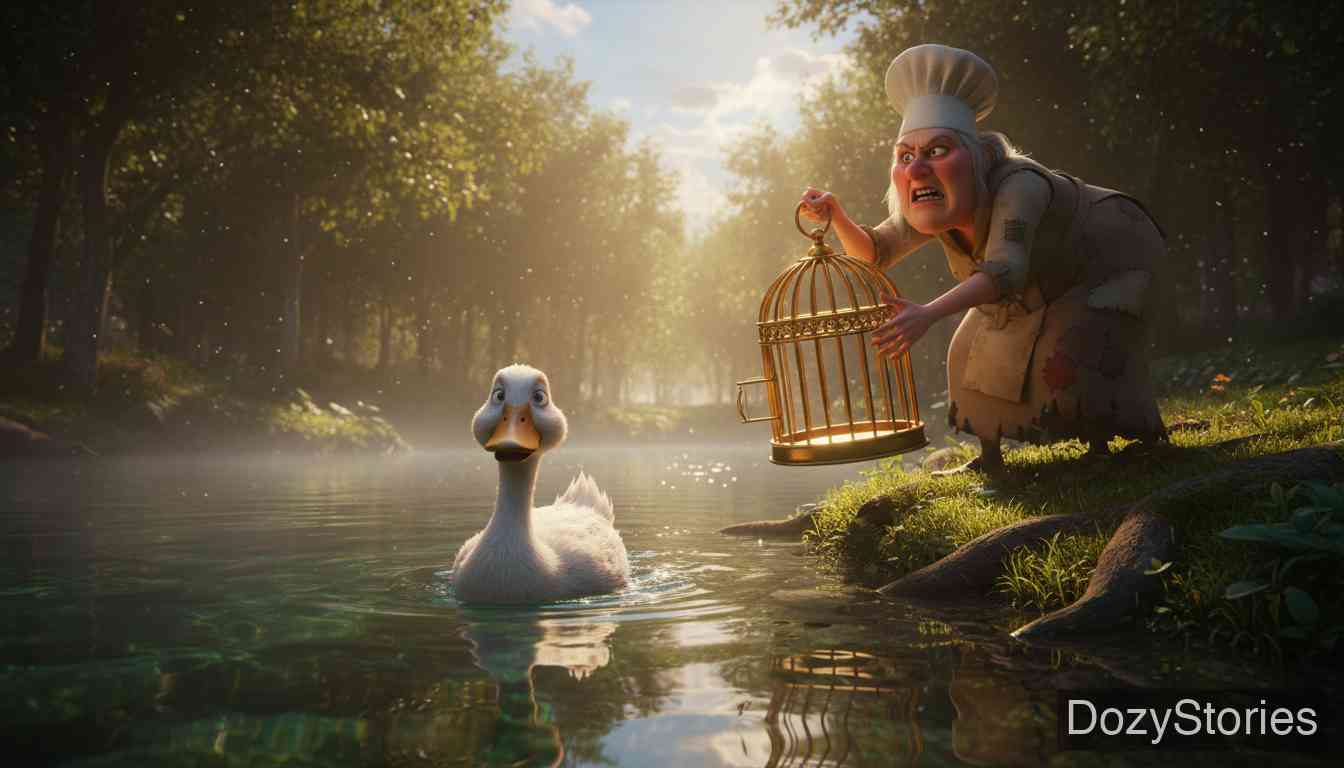
The children, however, saw from afar that the three servants were coming, and the cook waddling after them. Then said Lina, "Fundevogel, never leave me, and I will never leave thee." Then said Fundevogel, "Neither now, nor ever." Said Lina, "Be a fishpond, and I will be the duck upon it." The cook, however, came up to them, and when she saw the pond she lay down by it, and was about to drink it up. But the duck swam quickly to her, seized her head in its beak and drew her into the water, and there the old witch had to drown. Then the children went home together, and were heartily delighted, and if they are not dead, they are living still.

Vocabulary from "Fundevogel"

12 key words from this story with definitions and original context sentences for language learners.

foresterB2
/ˈfɒrɪstər/n.

A person whose job is to take care of a forest.

护林员;林务员(负责看护森林的人)。

There was once a forester who went into the forest to hunt.

从前有位护林员进森林打猎。

snatched(snatch)B2
/snætʃt/v.

Grabbed something quickly and suddenly.

一把抓走;猛地夺走。

A bird of prey had seen it in her arms, had flown down, snatched it away, and set it on the high tree.

一只猛禽看见孩子,便飞下来把他抓走,放在了高高的树顶上。

dearlyB2
/ˈdɪərli/adv.

Very much; in a loving way.

深深地;深切地(爱)。

Fundevogel and Lina loved each other so dearly that when they did not see each other they were sad.

菲奈鸟和莉娜彼此相爱,只要见不到对方就会感到难过。

pails(pail)C1
/peɪlz/n.

Buckets, usually made of metal or wood, for carrying liquids.

桶;提桶(用来盛水或其他液体)。

The forester, however, had an old cook, who one evening took two pails and began to fetch water.

护林员家里有个老厨娘。一天傍晚,她提着两只桶去打水。

kettleB1
/ˈketl/n.

A metal pot used for boiling water.

水壶;(烧水的)锅。

When it is boiling in the kettle, I will throw in Fundevogel, and will boil him in it.

等锅里的水沸腾了,我就把菲奈鸟扔进去煮了。

alarmedB2
/əˈlɑːrmd/adj.

Suddenly worried or frightened.

惊慌的;受惊的;害怕的。

Then she was terribly alarmed, and she said to herself, "What shall I say now when the forester comes home?"

她吓坏了,自言自语道:'等护林员回家发现孩子不见了,我该怎么说呢?'

overtakeB2
/ˌəʊvərˈteɪk/v.

To catch up with and go past someone who is ahead of you.

追上;赶上;超过。

Then the cook sent three servants after them, who were to run and overtake the children.

于是厨娘派出三个仆人去追,要他们跑着赶上孩子。

simpletons(simpleton)C1
/ˈsɪmpltənz/n.

Foolish people who are easily tricked; fools.

傻瓜;笨蛋;蠢货。

You simpletons, you should have cut the rose-bush in two, and have broken off the rose and brought it home with you.

你们这些蠢货,你们应该把玫瑰丛砍断,把玫瑰花摘下来带回来呀!

chandelierC1
/ˌʃændəˈlɪər/n.

A large, decorated light that hangs from the ceiling and holds many bulbs or candles.

枝形吊灯;水晶灯(悬挂在天花板上、有许多灯臂的华丽灯具)。

Said Lina, "Then do thou become a church, and I'll be the chandelier in it."

莉娜说:'那你变成一座教堂,我变成里面的水晶灯。'

pursuitC1
/pərˈsuːt/n.

The act of chasing someone in order to catch them.

追赶;追捕;追逐。

And now the old cook herself got on her legs, and went with the three servants in pursuit of the children.

于是老厨娘亲自起身,带着三个仆人去追孩子。

waddling(waddle)C1
/ˈwɒdlɪŋ/v.

Walking with short steps, rocking from side to side, the way a duck does.

(像鸭子般)摇摇摆摆地走;蹒跚而行。

The children, however, saw from afar that the three servants were coming, and the cook waddling after them.

孩子们远远看见三个仆人来了,那厨娘还在后面蹒跚地跟着。

beakB1
/biːk/n.

The hard, pointed mouth of a bird.

鸟嘴;喙。

But the duck swam quickly to her, seized her head in its beak and drew her into the water.

但这只鸭子迅速游过去,用嘴咬住她的头,把她拖进水里。

Reading Together & Learning More

The Moral

True affection and a promise to stand by each other give the courage and strength to face danger; as long as we do not part, even the greatest troubles can be overcome together.

Educational Value

Lets children feel the power of loyalty, keeping a promise, and sticking together, and introduces the worldwide, ancient story motif of the 'magic flight'; the repeated vow is also easy for young children to chant and remember.

Tips for Parents

The vow repeats throughout, making it perfect to chant back and forth with your child; afterward, discuss: what really protects them—the shape-changing magic, or their promise never to part?

Talk About It

  1. Each time danger comes, Lina and Fundevogel first say the vow 'never leave me' before they transform. Why do you think that sentence matters so much?
  2. The two children turn into a rose, a church, a pond. If you were in danger, what would you most want to become to hide?
  3. The cook never harmed Lina, so why does Lina risk running away with Fundevogel instead of staying safely behind?
  4. The 'magic' that helps them—could it also be understood as the trust and courage between them?
  5. 'Never leave me, and I will never leave thee'—in your own life, is there someone you would want to protect like that?