Donkey Cabbages
Introduction
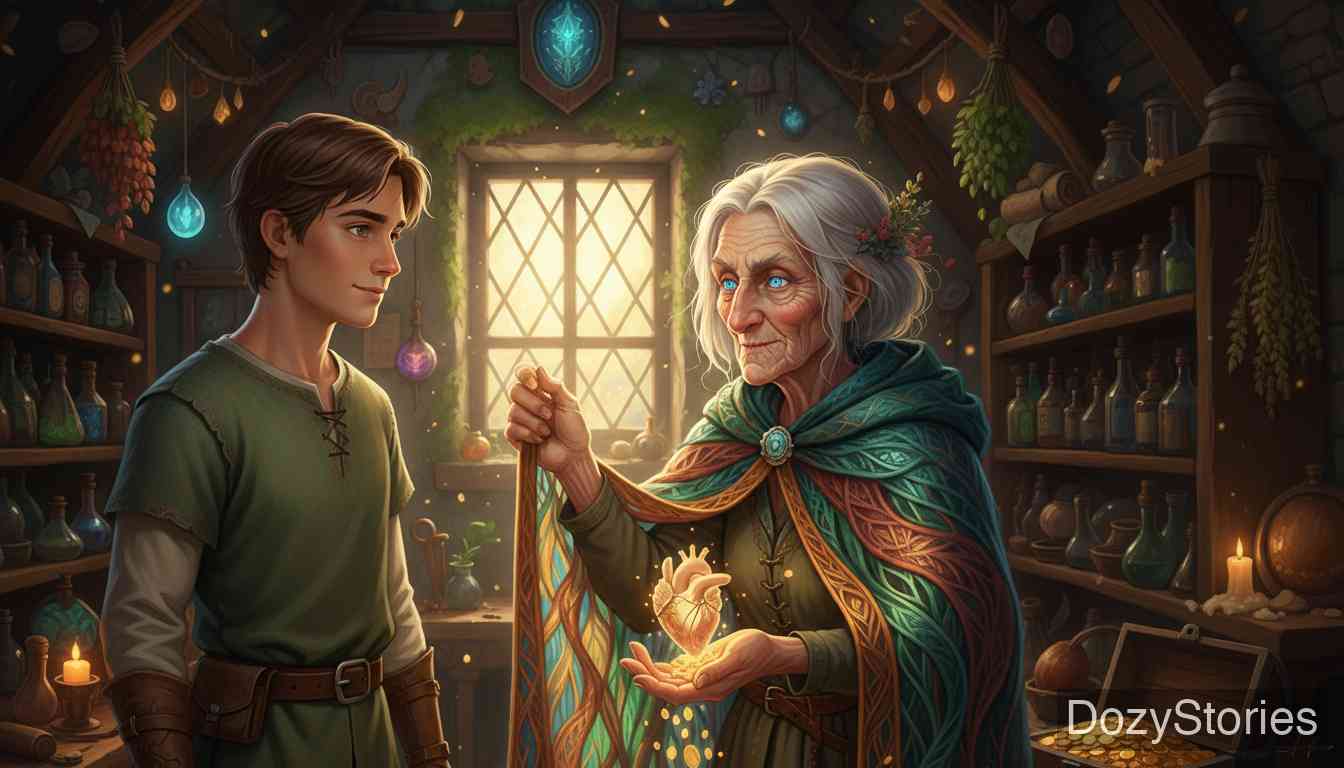
Retelling a tale of the Brothers Grimm in the style of a Chinese fable is not a matter of new words; it is a matter of a new way of telling. In the original 'Donkey Cabbages,' wonder follows wonder — a wishing-cloak, a bird's heart that mints a gold coin every morning, cabbages that turn a man into a donkey and back again. It is a story told for the sake of marvels. A fable, however, wants every marvel to carry a lesson, so this retelling has been shaped around a famous Chinese saying: 'the snake that is never full swallows an elephant.' Greed that knows no bounds — the witch covets the treasures, her daughter covets an easy life, and the young huntsman loses his wits to a pretty face. Each one's greed leads straight to ruin. Chinese folk wisdom is full of such proverbs, from 'a heart that is never content' to 'those who are greedy end up empty-handed.' Yet the tale holds one more lesson worth sharing. After winning back what was his, the huntsman does not destroy everyone. The old witch's death is the wages of her own greed, but for the girl who truly repents, he chooses forgiveness — echoing the old advice that 'a quarrel is better ended than kept.' As you read, ask your child who is the greediest of all, and who learns to change first. In that question lies the heart of every fable, and of this story too.
Vocabulary from "Donkey Cabbages"
12 key words from this story with definitions and original context sentences for language learners.
Walked or travelled around without a fixed plan.
四处游荡;漫游。
He was a kind young man, and he roamed the forest every day to hunt.
从前,有个年轻猎人,心地善良,常年出入山林打猎。
Wearing very old, torn clothes.
衣衫褴褛;穿着破旧的衣服。
One day, an old woman in rags stopped him on the path.
有一天,他在林子里遇见一个衣衫褴褛的白发老妇。
Sudden strong fear that makes people act wildly.
恐慌;惊慌。
The birds flew off in a panic.
猎人举枪瞄准,一枪打去,鸟群惊散。
To breathe out slowly and loudly because you are sad or tired.
叹气;叹息。
So the girl stood by the window and sighed.
姑娘便依母亲吩咐,站在窗前,望着远处的宝石山,长吁短叹。
To shine with many small flashes of light.
闪闪发光;闪烁。
Gems glittered all around them, and they picked up the finest ones.
眨眼间两人已坐在宝石山上,四周宝石闪闪发光。
Magic power or magic words that change things or people.
咒语;法术。
But the witch had cast a spell to make him sleepy.
可女巫早施了法术,猎人的眼皮越来越沉。
Deep sadness, often after losing something or someone.
悲痛;忧伤。
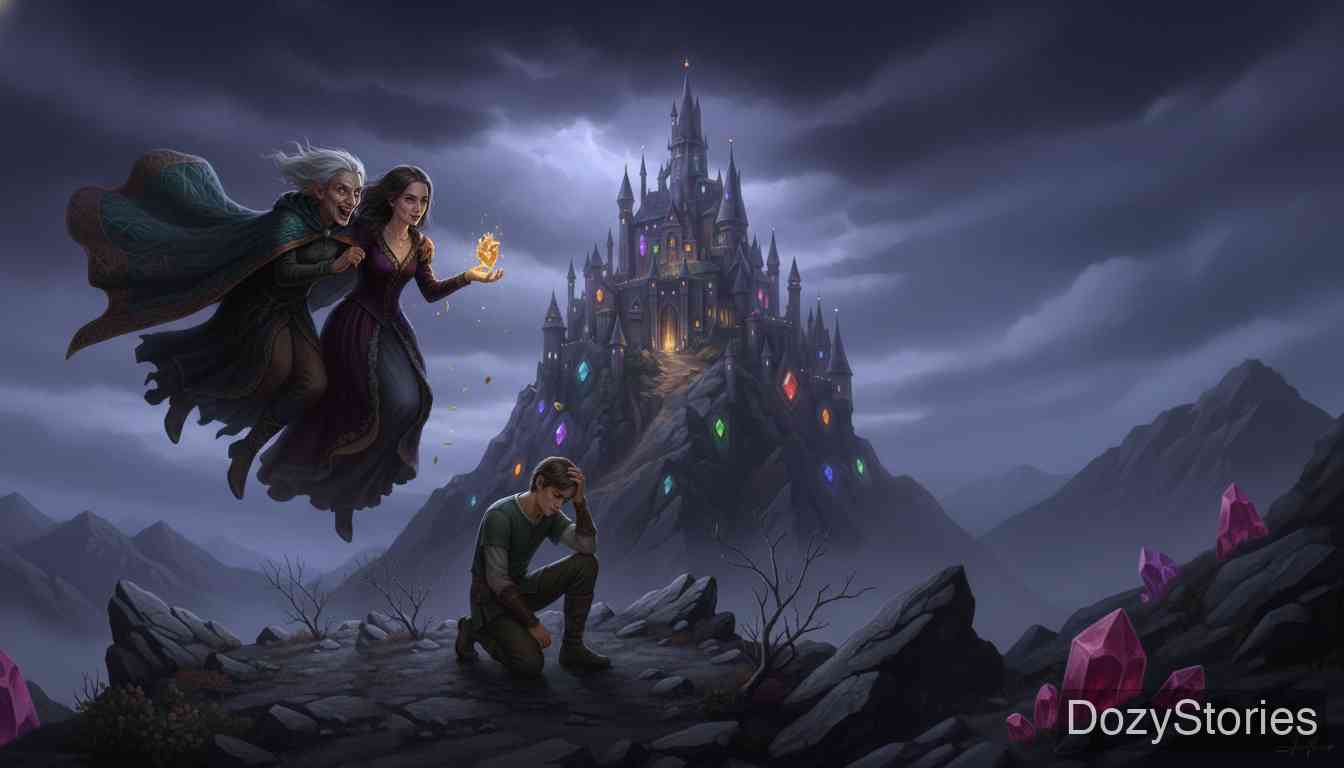
He sat on the bare mountain, full of anger and grief.
他坐在山顶上,又气又恨。
To push someone or something with a finger or a stick.
戳;捅。
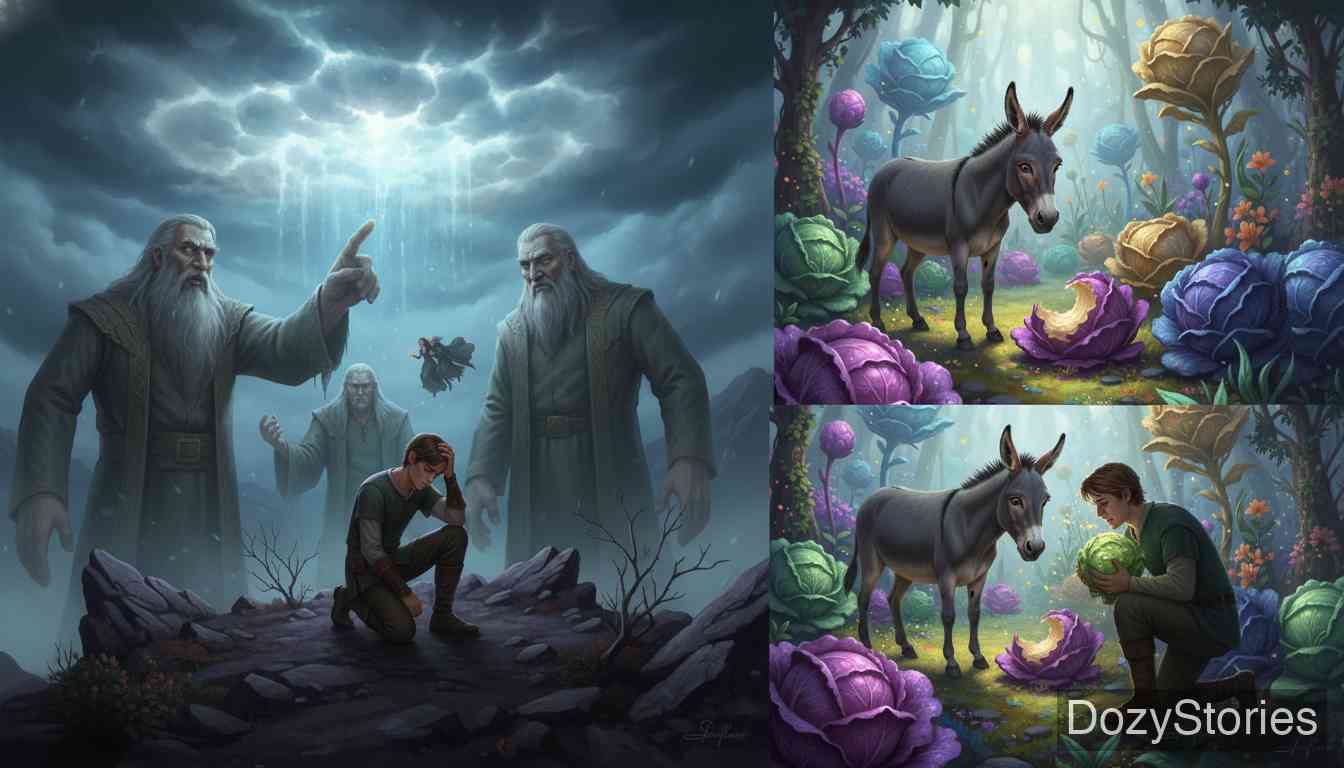
The first giant poked him with his foot.
一个巨人用脚踢踢他。
To move slowly through the air or on water, carried by the wind.
飘移;缓缓飘动。
Then a cloud drifted down, lifted him up, and carried him across the sky.
果然,一片云飘来,轻轻托起他,在天空飘了许久。
To become soft and droop, as a plant does without water.
枯萎;蔫掉。
But the sun is too hot, and the tender leaves are already wilting.
可太阳太毒,菜眼看要晒蔫了。
A strong wish to have more than you need.
贪婪;贪心。
When the witch heard of the delicious salad, greed filled her heart.
女巫一听“天下最鲜美的沙拉”,贪心顿起。
A feeling of sadness for someone who is suffering.
怜悯;同情。
But pity filled the huntsman's heart.
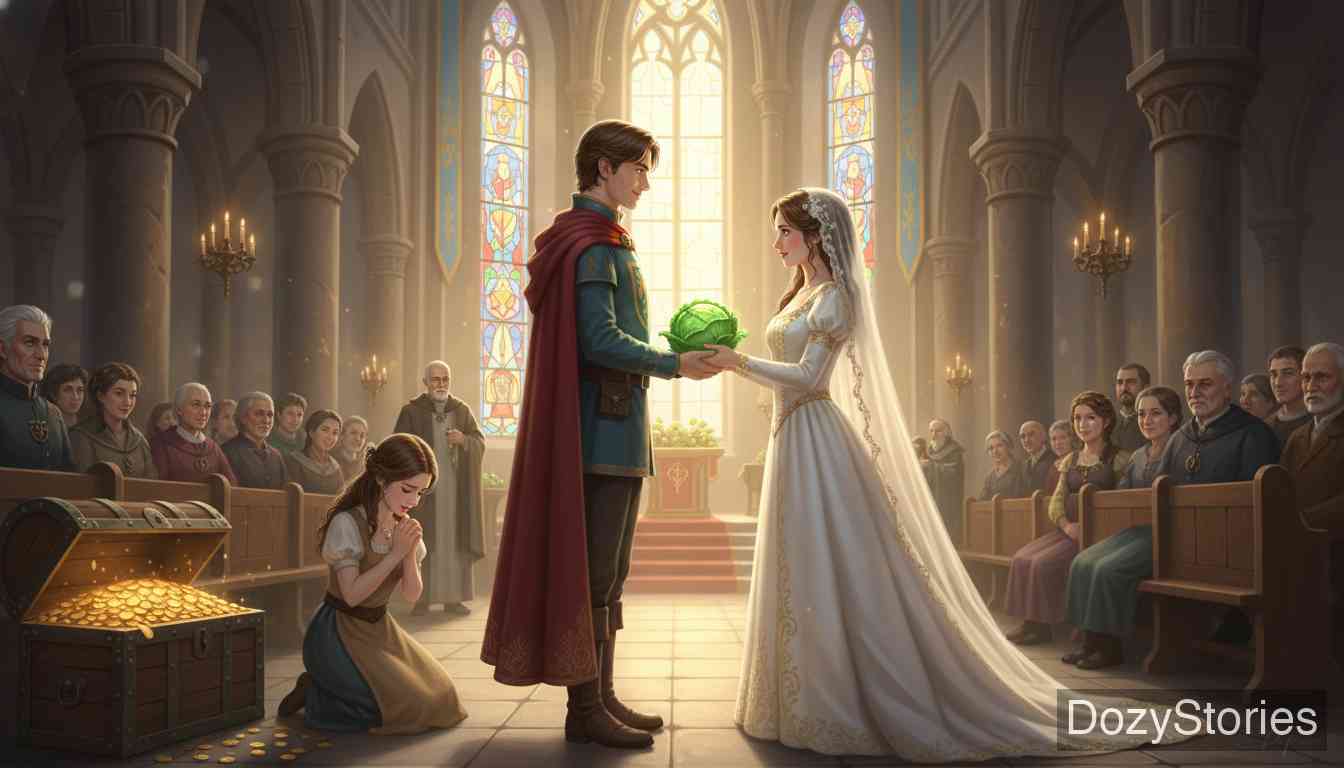
猎人听了,心一下子软了。
Reading Together & Learning More
The Moral
Kindness is repaid with kindness, and greed brings its own downfall — but true strength lies in seeking justice, and then in knowing when to forgive.
Educational Value
Teaches children that kindness should not be given for a reward, that sweet words may hide a trap, and that forgiving someone who truly repents is a sign of strength.
Tips for Parents
After reading, ask your child why the huntsman gave the old woman all his money, how the witch and her daughter tricked him step by step, and whether forgiving the girl in the end was right. You may also teach the saying 'greed is a bottomless pit' and let your child find the greediest person in the tale.
Talk About It
- The old woman gives the huntsman wonders after he gives her only a little money. Do you think he gave out of kindness or out of hope for a reward? Should kindness expect anything back?
- The girl smiles at the huntsman, and little by little he hands over all his treasures. Can liking someone make us blind? At which step could he have stopped?
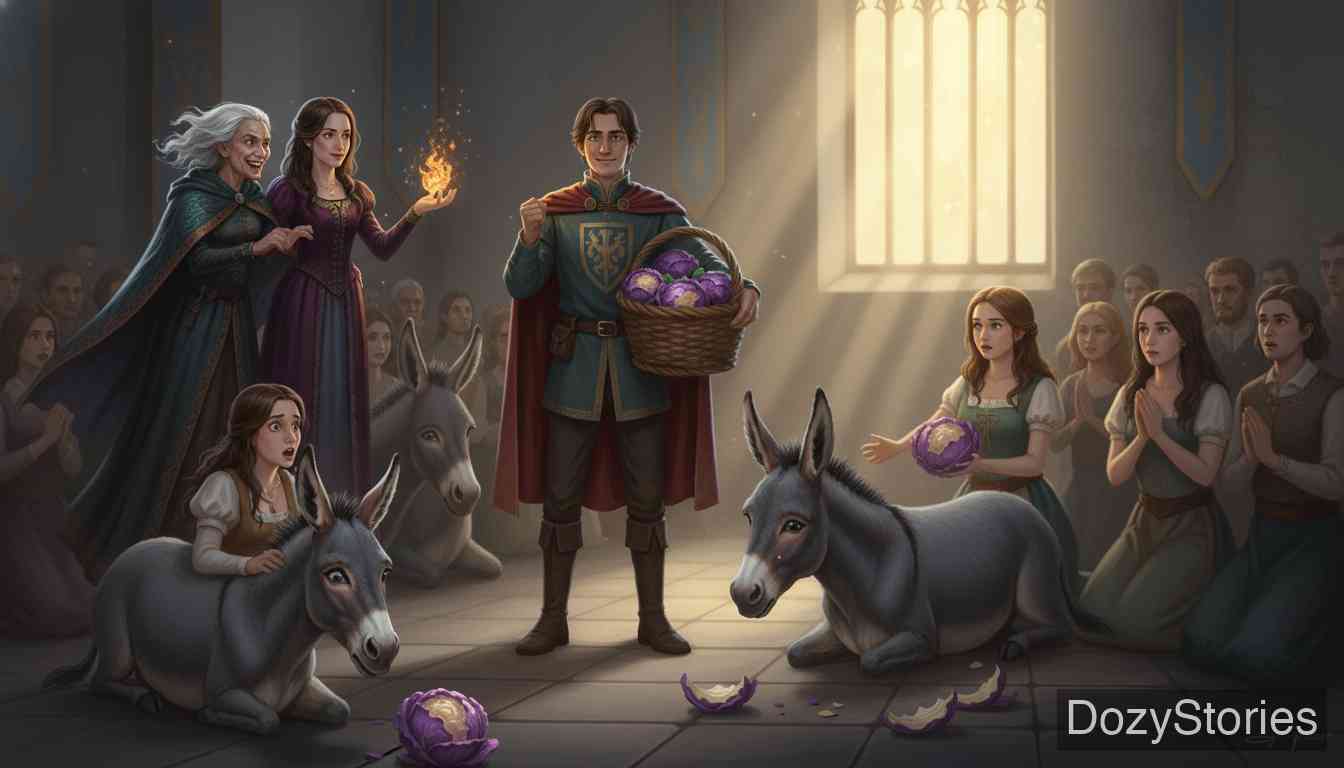
- The witch, the maid, and the girl are treated differently at the mill. Why do you think the huntsman divides the punishment that way? How would you divide it?
- The old saying goes that greed is a bottomless pit. Who is the greediest person in this story, and does her greed really make her happy?
- The huntsman forgives the girl who tricked him. If you were him, would you forgive her? What makes forgiveness hard?