Clever Else
Introduction
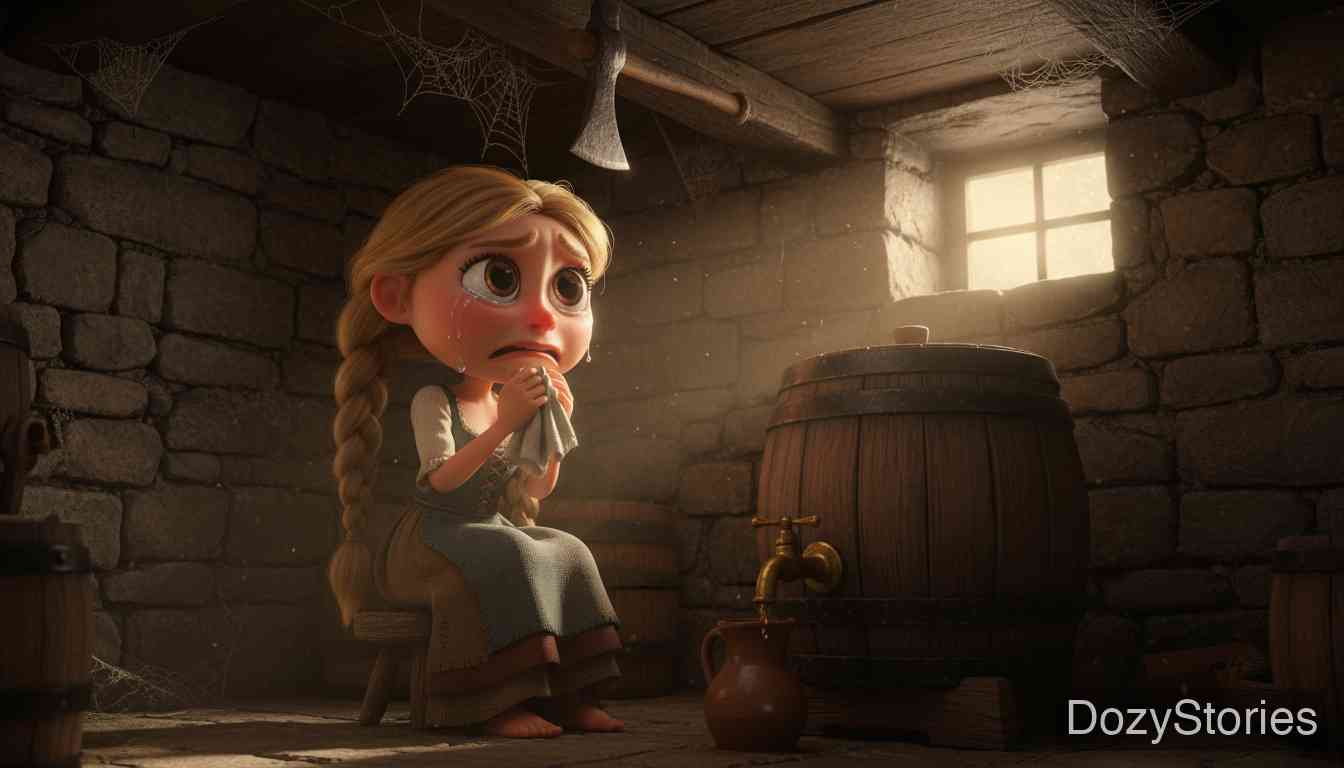
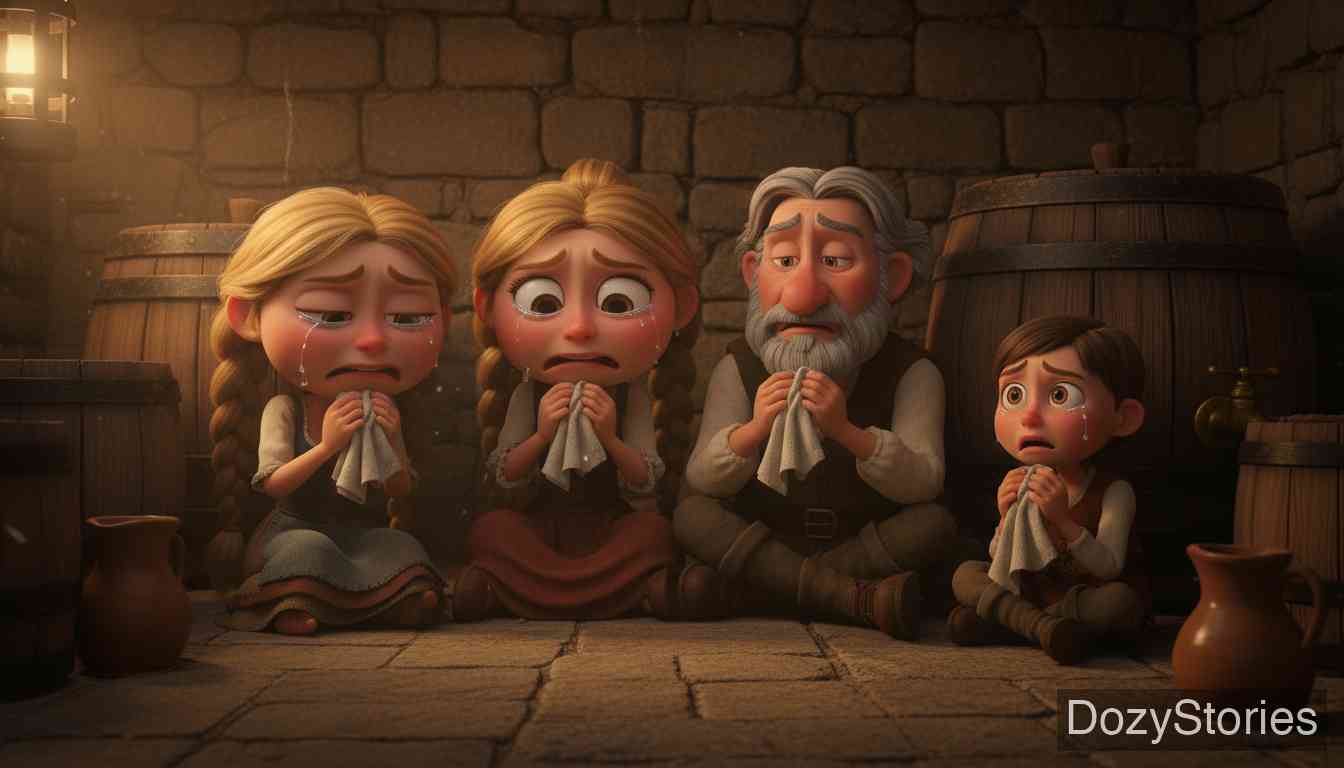
This little tale is one of the funniest in the Brothers Grimm, but beneath the laughter lies an old and simple wisdom. Folklorists call it a "numskull" story: a young woman weeps with all her might over a misfortune that will never happen, and her whole family, one by one, goes down to the cellar and weeps along with her. Chinese readers may smile at once, because it echoes an old saying of our own: "The world is quiet, but an anxious mind stirs up storms." We have retold the story in the manner of a fable to sharpen that absurdity — the calm voice of an old storyteller, short plain sentences, and a heroine whose "cleverness" is really plain silliness. The setting has not been changed: the cellar, the cornfield, and the little bells stay as they are, because this kind of foolishness belongs to no single country; every village has raised someone like Else. When you read it with your child, watch for one small detail: in the whole tale, not a single person thinks of pulling the pickaxe out of the ceiling. They weep, they praise, they marry, they sleep — but nobody fixes the real problem. That single detail carries the whole lesson of the fable.


Vocabulary from "Clever Else"
12 key words from this story with definitions and original context sentences for language learners.
Something that must be agreed before something else can happen.
条件;前提。
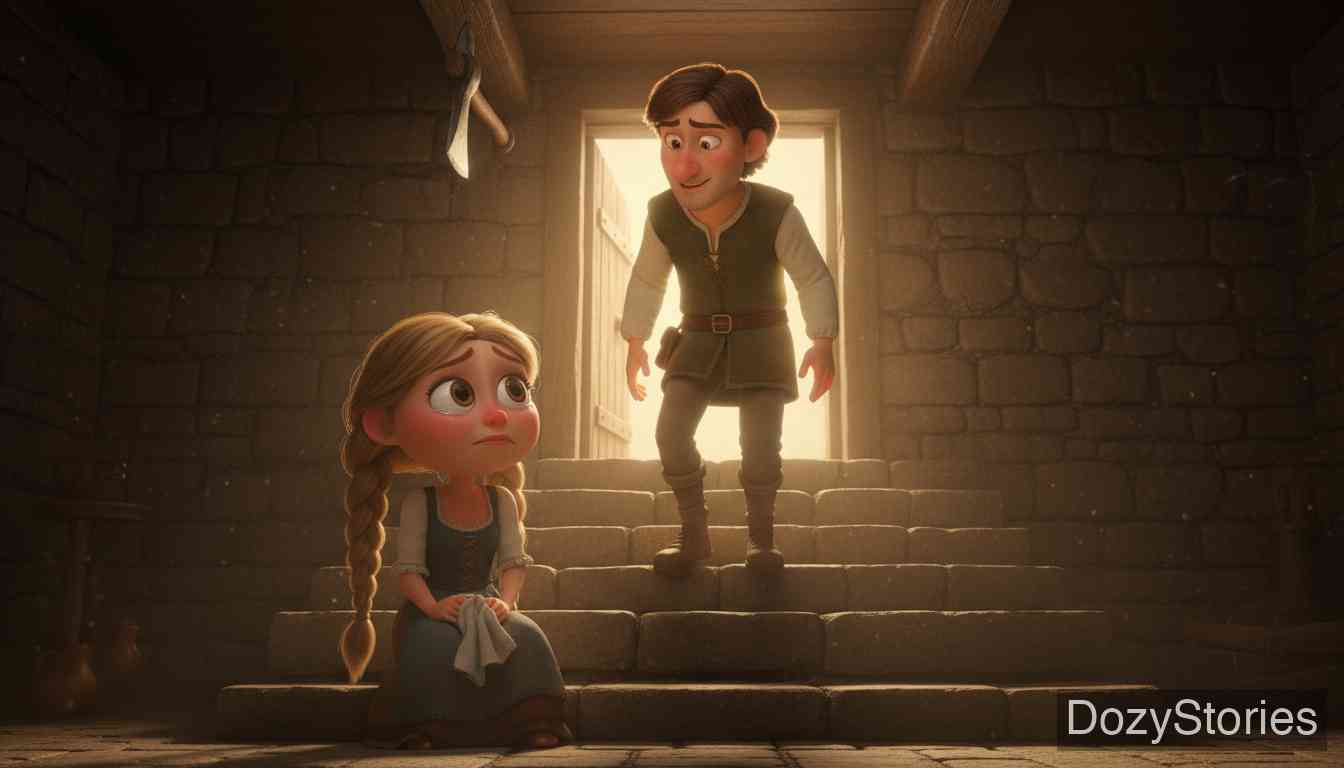
He wanted to marry Else, but he set one condition: she must be careful as well as clever.
汉斯开了一个条件:姑娘不但要聪明,还要细心周到。
A cool room under a house, used for keeping food and drinks.
地窖;地下室。
One evening her mother said, "Else, go down to the cellar and bring up some beer."
这一天,母亲说:“爱尔莎,下地窖去提一壶酒来。”
A heavy tool with a pointed metal head, used to break hard ground.
鹤嘴锄;十字镐。
High above her head, a workman had left a sharp pickaxe stuck in the ceiling.
猛一抬头,只见头顶的天花板上,插着一把工匠落下的鹤嘴锄。
To cry, usually quietly and with sadness.
哭泣;流泪。
When Else saw the pickaxe, she began to weep.
一见那把锄,爱尔莎哇的一声哭了起来。
A very bad thing that brings great harm or sorrow.
灾祸;灾难。
So she sat on her stool and cried over a disaster that had never happened.
她越想越怕,索性坐在凳上,为这件八字没一撇的祸事放声痛哭。
Cried out loudly, like a dog or a wolf.
大声嚎哭;嚎叫。
"Our Else is truly clever!" he said, and he sat down and howled with the others.
他拍手道:“咱们爱尔莎真是聪明!”也在旁边坐下,扯开嗓子嚎了起来。
Crying with short, shaking breaths.
抽噎;啜泣。
There sat five people, sobbing side by side.
五个人围坐痛哭,你一言我一语,说的都是那件没影儿的事。
Showing good judgement and careful thought.
有见识的;明智的。
"That is the most sensible thing I have ever heard," said Hans.
汉斯听罢,反倒乐了:“想得这样长远,真是难得的好见识!”
A hot dish of meat and vegetables cooked slowly in liquid.
炖菜;烩菜。
Else cooked a pot of rich stew and carried it out to the field.
汉斯前脚一走,她后脚就炖了一锅香喷喷的菜,端到田里。
Went to get something and brought it back.
取来;拿来。
Hans ran home and fetched a bird net hung with little bells.
汉斯跑回家,取来一张缀满小铃铛的捕鸟网,轻轻罩在爱尔莎身上。
Made a light ringing sound, like small bells.
叮当作响。
She stood and shook herself, and the bells jingled at every step.
她一起身,身上叮当乱响,把她吓了一跳。
Said no to something; would not do it.
拒绝;不肯。
The people in the village heard the jingling bells and refused to open their doors.
可人家听见铃铛响,谁也不肯开门。
Reading Together & Learning More
The Moral
Tears for troubles that never come are wasted, and sleep over the work at hand is folly. The truly clever keep their minds on today, not on imagined sorrows.
Educational Value
This fable helps children tell a real worry from a fancy one: only the trouble before your eyes deserves your tears. It also introduces irony, since the name "Clever" is really a joke from start to finish.
Tips for Parents
Laugh with your child first, then ask: which of Else's worries ever really happened? Make two lists together, "real worries" and "fancy worries", and see which one is longer. Then talk about whether Hans calls Else "clever" as a compliment or as a joke.
Talk About It
- Else cries over something that never happens, and her family cries with her. Which worries are worth having, and which ones are only in our heads?
- The story is called "Clever Else," yet she never does anything clever. Why do you think the author named her that?
- When Else hears the bells, she stops believing she is herself. Why is it so easy to stop trusting ourselves?
- Everyone cries, but nobody thinks of pulling the pickaxe out of the ceiling. What would you have done?
- If you had important work to do but you were tired and hungry, how would you choose what to do first?