Brother and Sister
Introduction
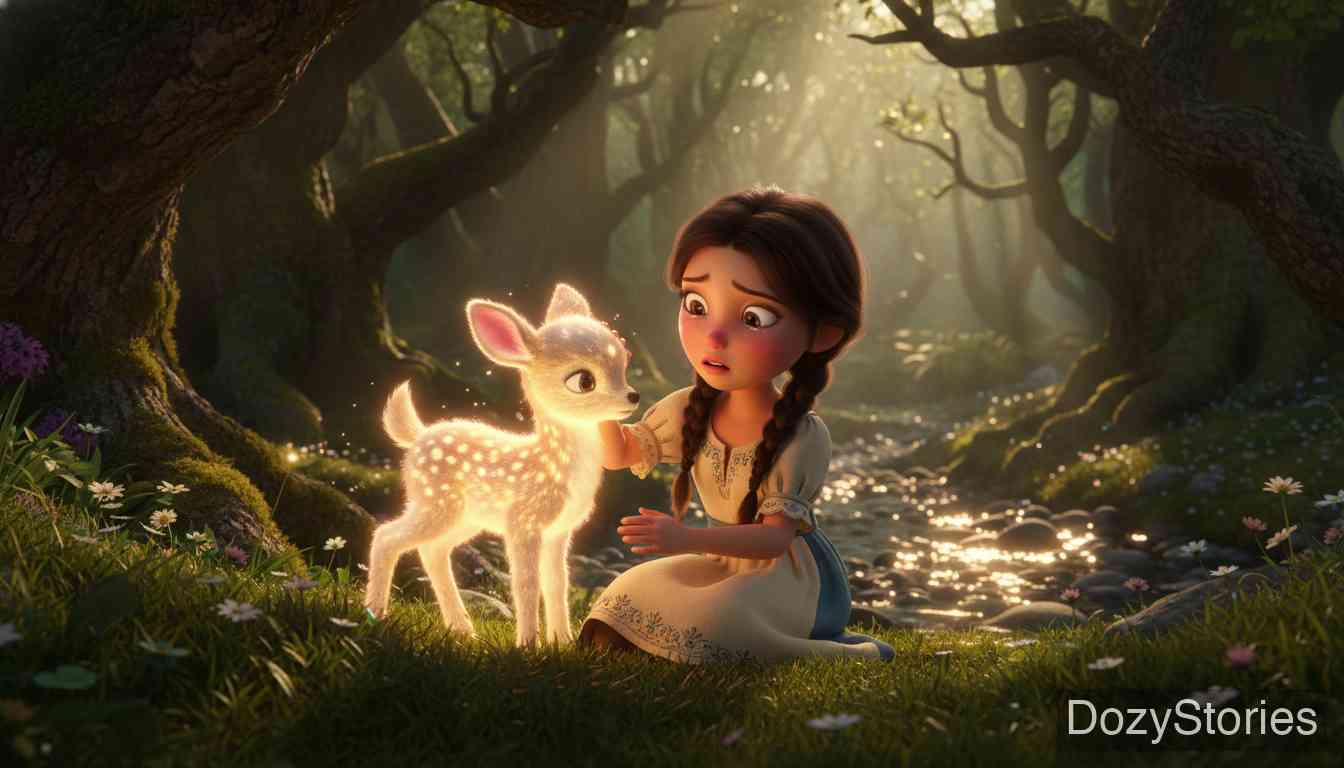
This tale comes from the Brothers Grimm, and it is one of the gentlest stories about sibling love in the whole collection. We have retold it as a fable, the way a village storyteller would: plain words, short speeches, one turning point per scene, and a lesson at the end. In Chinese tradition there is an old saying, “Brothers and sisters are like hands and feet” — nothing can break the bond between them. That is the heart of this story. The sister's golden belt and her cord of rushes are small signs of a big promise: “I will never leave you.” The three brooks are worth a pause too. The brother knows the water is cursed, yet he drinks. Why? It is a small parable about impulse and self-control, and a chance for children to think about waiting when they want something badly. The Grimm original is darker than the Disney versions you may know: the stepmother's cruelty and the queen's fate are harsh, and later editions softened the ending. We kept the full plot but told it in a gentle fable voice, so the darkness fades. As you read, count with your child all the things the sister does for the fawn. Which one touches you most? And if the brother had waited one more moment, how might the story have changed?
Vocabulary from "Brother and Sister"
12 key words from this story with definitions and original context sentences for language learners.
The hard outer edges of bread.
面包皮,面包外层硬硬的皮。
They had nothing to eat but the hard bread crusts other people threw away.
除了人家扔掉的硬面包皮,他们什么也吃不着。
Small smooth stones found in a stream.
卵石,溪水里光滑的小石头。
They found the first brook, and the water ran over the pebbles with a gentle sound.
兄妹俩找到第一条溪,溪水在卵石上哗哗流过。
A young deer.
小鹿。
The first drop touched his lips, and he turned into a fawn.
第一滴溪水刚沾上嘴唇,他就变成了一只小鹿。
Made thread or grass into cloth, rope or a pattern.
编织(wove 是 weave 的过去式)。
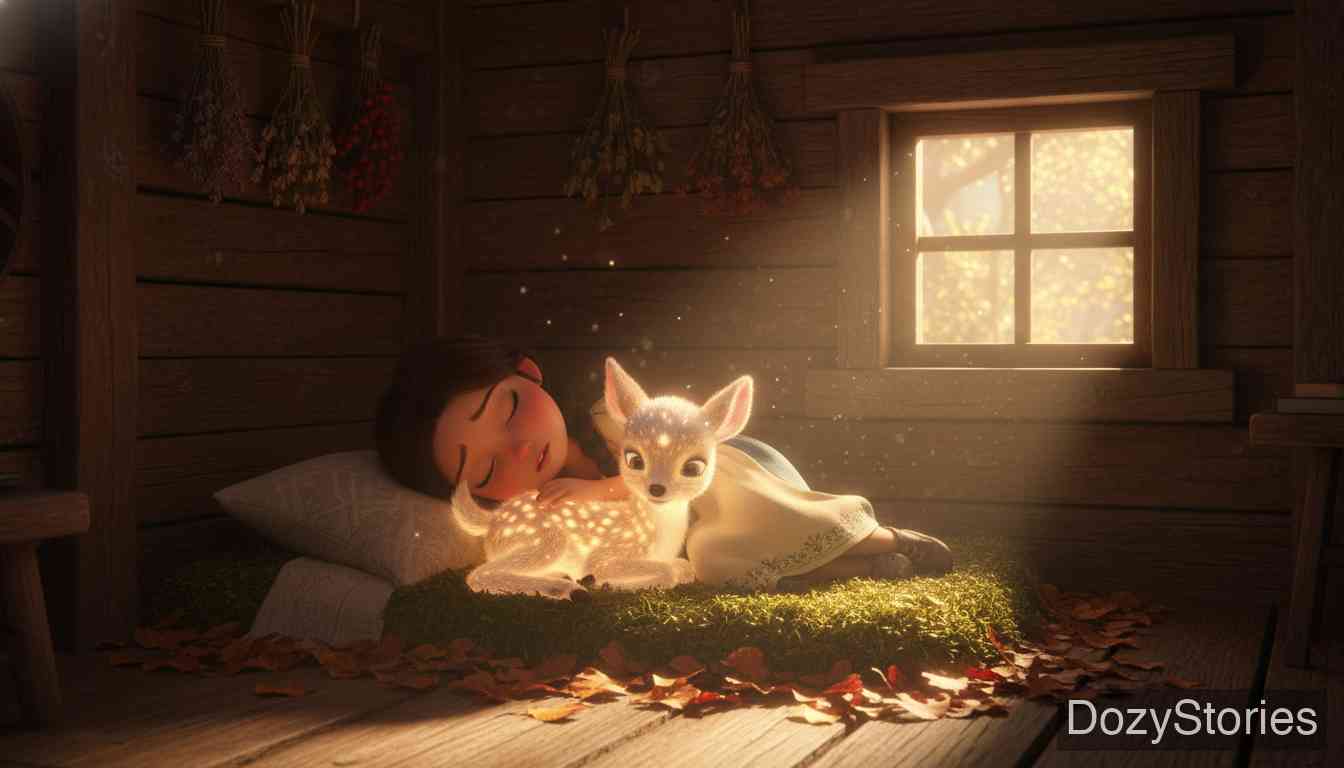
Then she wove a soft cord from rushes and led him deeper into the forest.
她又采来灯芯草编成一根软绳,牵着他往林子深处走去。
Tall grass-like plants that grow near water and are used for weaving.
灯芯草,长在水边、可用来编织的草。
Then she wove a soft cord from rushes and led him deeper into the forest.
她又采来灯芯草编成一根软绳,牵着他往林子深处走去。
Jumped and played about in a lively way.
欢蹦乱跳,活泼地蹦跳玩耍。
He ate happily from her hand and frisked around her.
小鹿高高兴兴地从她手里吃草,围着她欢蹦乱跳。
Ran and jumped about in a happy, playful way.
蹦蹦跳跳地玩耍。
Everyone loved the fawn, and he gambolled about the garden all day.
花园里人人疼爱小鹿,它整天欢蹦乱跳。
Walked unevenly because of a hurt foot.
一瘸一拐地走。
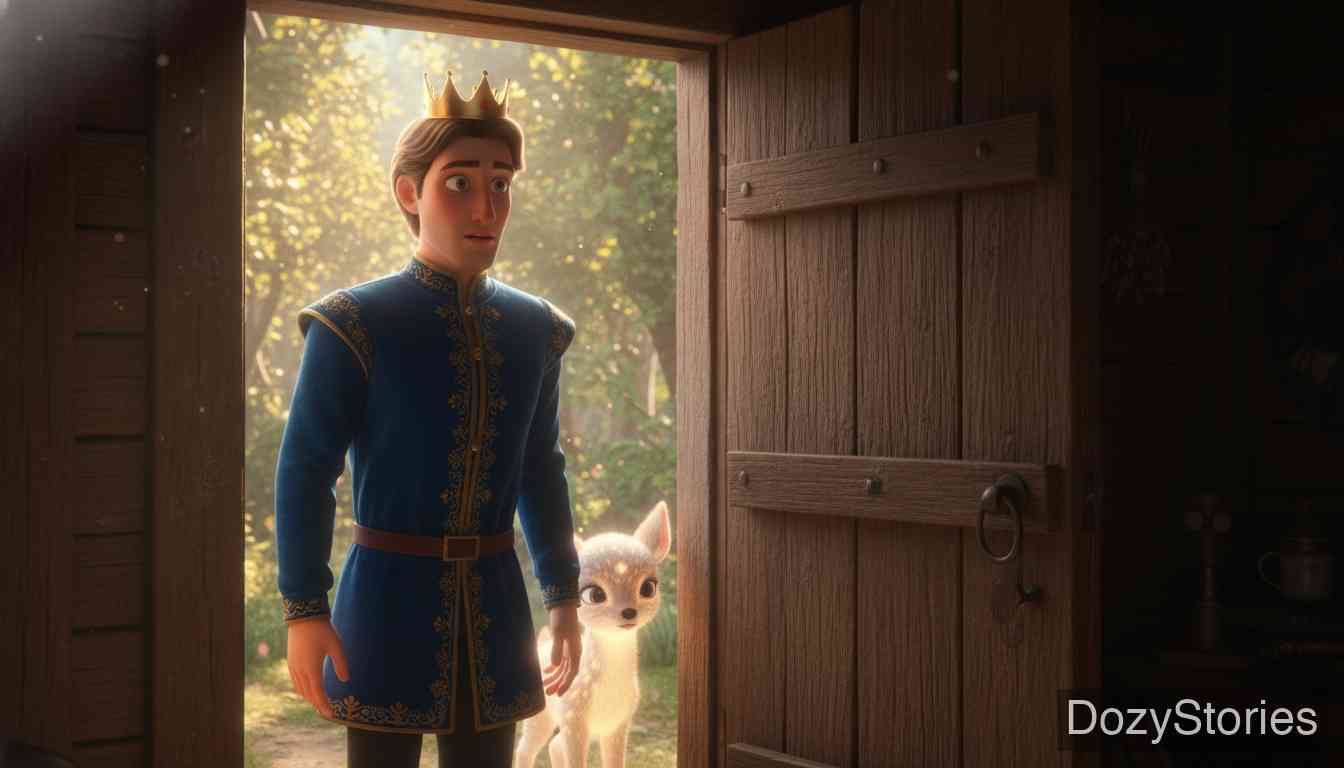
The fawn limped home, and a hunter followed him quietly.
小鹿一瘸一拐地走回家,猎人悄悄跟在他身后。
The unhappy feeling you get when someone else has what you want.
嫉妒,眼红。
But news of their happy life reached the stepmother, and jealousy burned in her heart like fire.
可继母听说了兄妹俩的好日子,心里烧起嫉妒的火。
Killed or made unable to breathe, usually by smoke or lack of air.
(被烟)闷死,窒息而死。
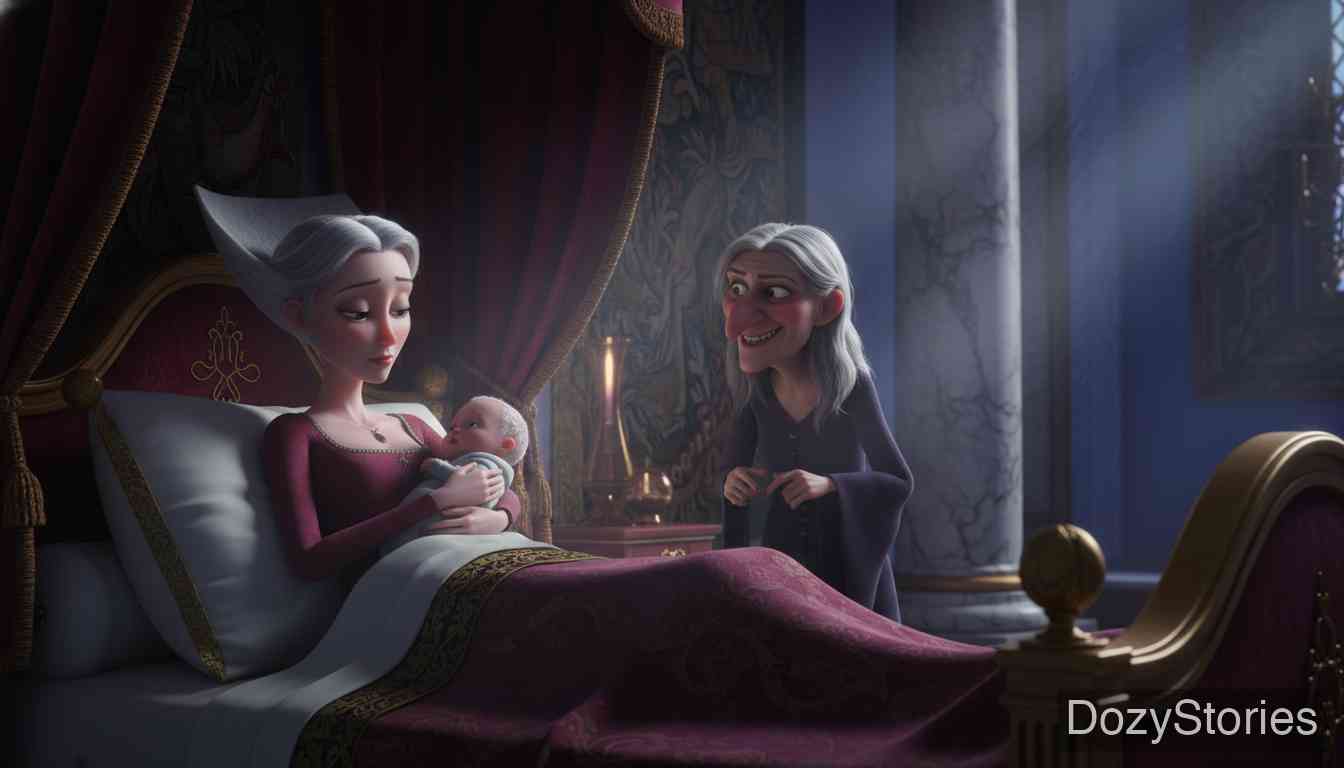
The smoke rose and filled the room, and the poor young queen was smothered.
浓烟滚滚,可怜的王后就这样被熏死了。
A wild place where few people live.
荒野,人迹罕至的地方。
So the two of them lived together, alone in the wilderness, for a long, long time.
就这样,兄妹俩在荒野里相依为命,过了很久很久。
A small bed for a baby that can be rocked.
摇篮。
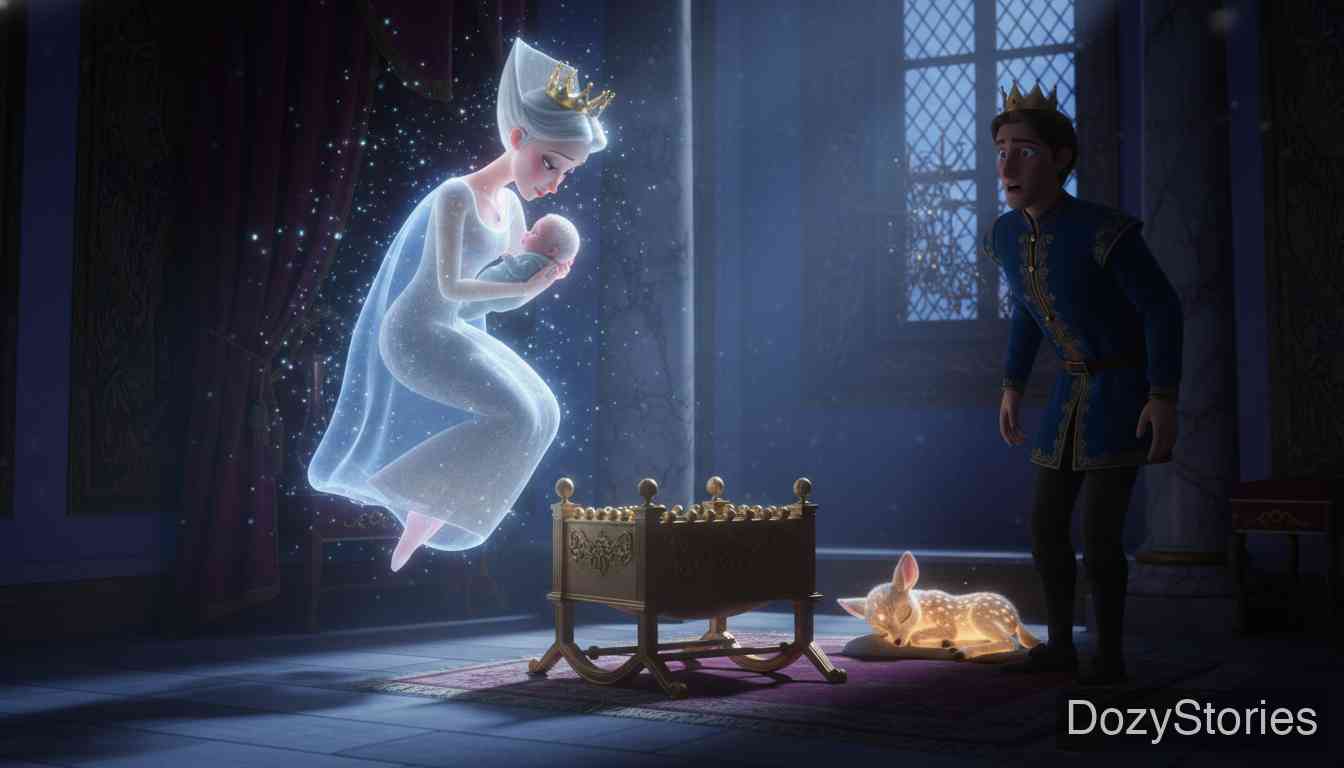
At midnight, when the whole house was asleep, the nurse sat watching by the cradle.
半夜里,众人睡熟了,守在摇篮边的乳母看见门轻轻开了。
Reading Together & Learning More
The Moral
Love between brothers and sisters is stronger than any magic; kindness is rewarded and cruelty punished, and those who plot against others are ruined by their own schemes.
Educational Value
Helps children feel the warmth of sibling love and loyalty, learn to master their impulses, and trust that kindness wins and cruelty is punished.
Tips for Parents
This tale includes murder and a burning, so focus on the theme of love and protection while reading and soften the darker details. Compare it with Hansel and Gretel and The Six Swans on this site, and ask your child why the sister tried again and again to stop her brother.
Talk About It
- The brother heard the water's warning and knew he would become a fawn, so why couldn't he hold back? If it were you, could you wait a little longer?
- The sister said, “I will never leave you,” and truly kept her word. What have you done that you promised and then really did, for a brother, sister, or close friend?
- Even after death, the queen's spirit came back every night to feed her child and stroke the fawn. What do you think kept her so close that not even death could stop her?
- The stepmother and her daughter were punished in the end. Where do you think they went wrong? If they had turned back, could the story have ended differently?
- The fawn kept begging to join the hunt, and the sister kept stopping him. Was the sister too careful, or the fawn too headstrong? What do you think?