The Three Brothers
Introduction
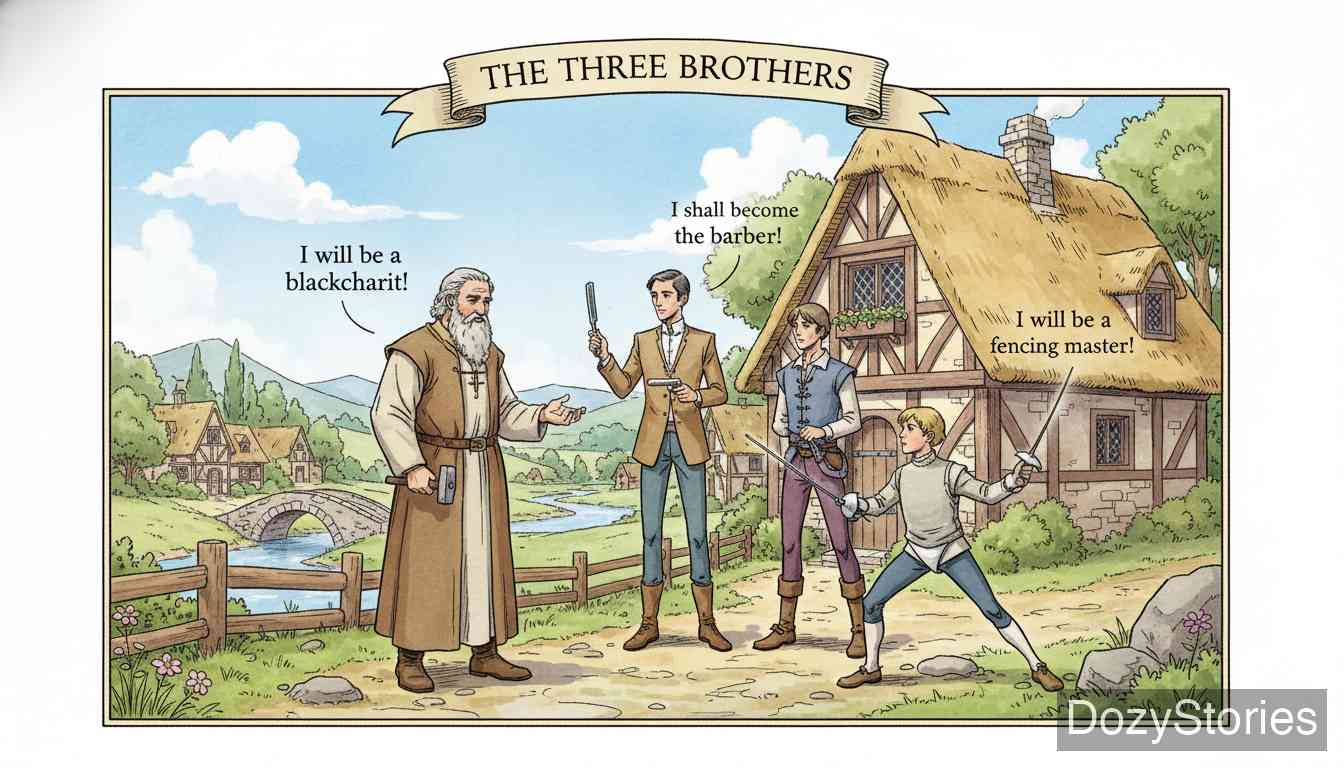
Why retell a Grimm tale as a Chinese fable? Because its bones match the old stories our grandparents told. Three brothers, three trades, three wonders — this is the folk idea that everyone has his own gift. The story belongs to a tale type folklorists call ATU 654, "The Three Skilful Brothers," and versions of it appear in many lands. In some tellings the brothers quarrel over the prize; in the Grimm version they stay close, and that is exactly where a Chinese fable feels at home. Its ending does not stop at "who won the house." It sends the brothers to live, work, and grow old together, echoing the ancient saying from the Book of Changes: "When two hearts are one, their strength can cut through iron." In Chinese family wisdom, harmony comes before everything: brothers of one mind are worth more than a hundred fields. The fable form fits this tale well, for fables use simple characters and plain examples, so the lesson can travel to any family in any age. As you read, point out two surprises: the contest has one winner, yet no brother truly loses; and one small house holds a whole family's lifetime. When you finish, ask your child: if you were the father, would you still invent such a contest? And which of the three feats would you most like to learn, and why?
Vocabulary from "The Three Brothers"
12 key words from this story with definitions and original context sentences for language learners.
A job that you learn to do with your hands and skill.
手艺;行当,靠手上功夫吃饭的活儿。
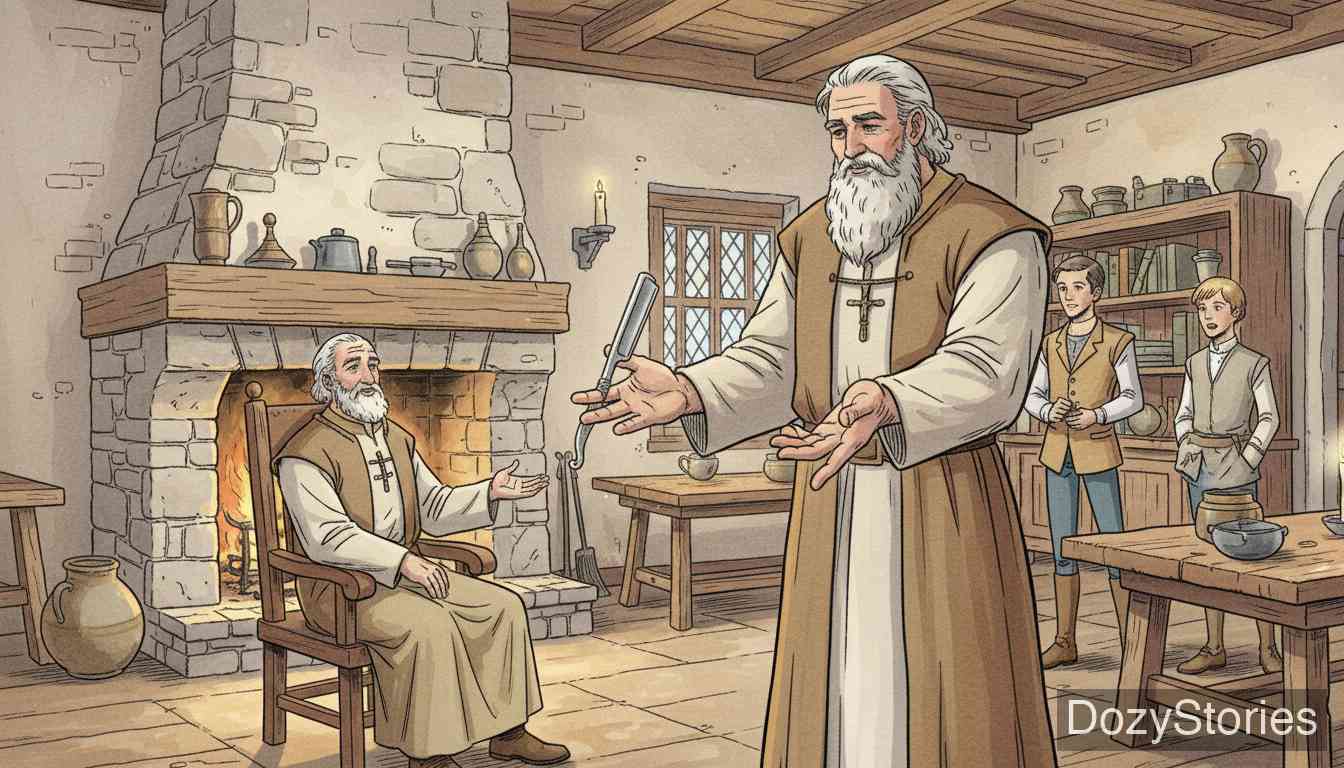
"Go out into the world," he said, "and learn a trade, each of you. When you come home, the son who shows the finest skill shall have the house."
“你们到外面去,各自学一门手艺。等你们学成回来,谁的看家本领最漂亮,房子就归谁。”
Someone who makes and fixes things out of iron.
铁匠。
The eldest decided to become a blacksmith.
老大去学打铁。
Skills in making or doing things with your hands.
手艺;本领。
All three found wise masters and learned their crafts well.
三个儿子都遇上了高明的师傅,把本事学得扎扎实实。
The white foam that soap makes when you mix it with water.
肥皂泡沫。
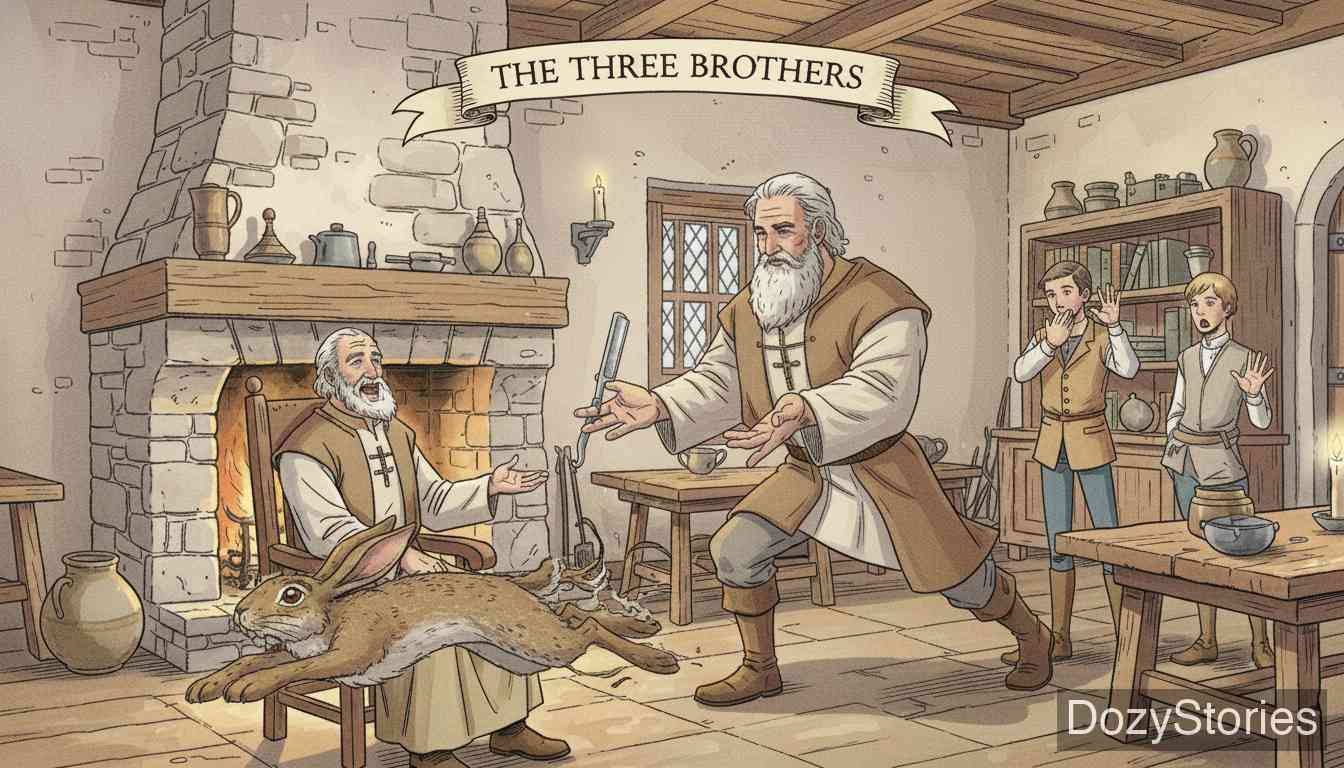
He took out his basin and soap and made a fine lather as the hare drew near.
他取出脸盆和肥皂,趁野兔跑近,先打起了泡沫。
The long stiff hairs that grow on an animal's face.
胡须;触须。
The barber soaped its whiskers and shaved them off, with no cut and not one hurt hair.
理发匠给它胡子上好皂,手起刀落,刮得干干净净。
Ran very fast and suddenly.
飞奔;猛冲。
The hare dashed past at full speed.
野兔撒开四蹄飞跑,从眼前一掠而过。
Running at a horse's fastest speed.
疾驰;飞奔。
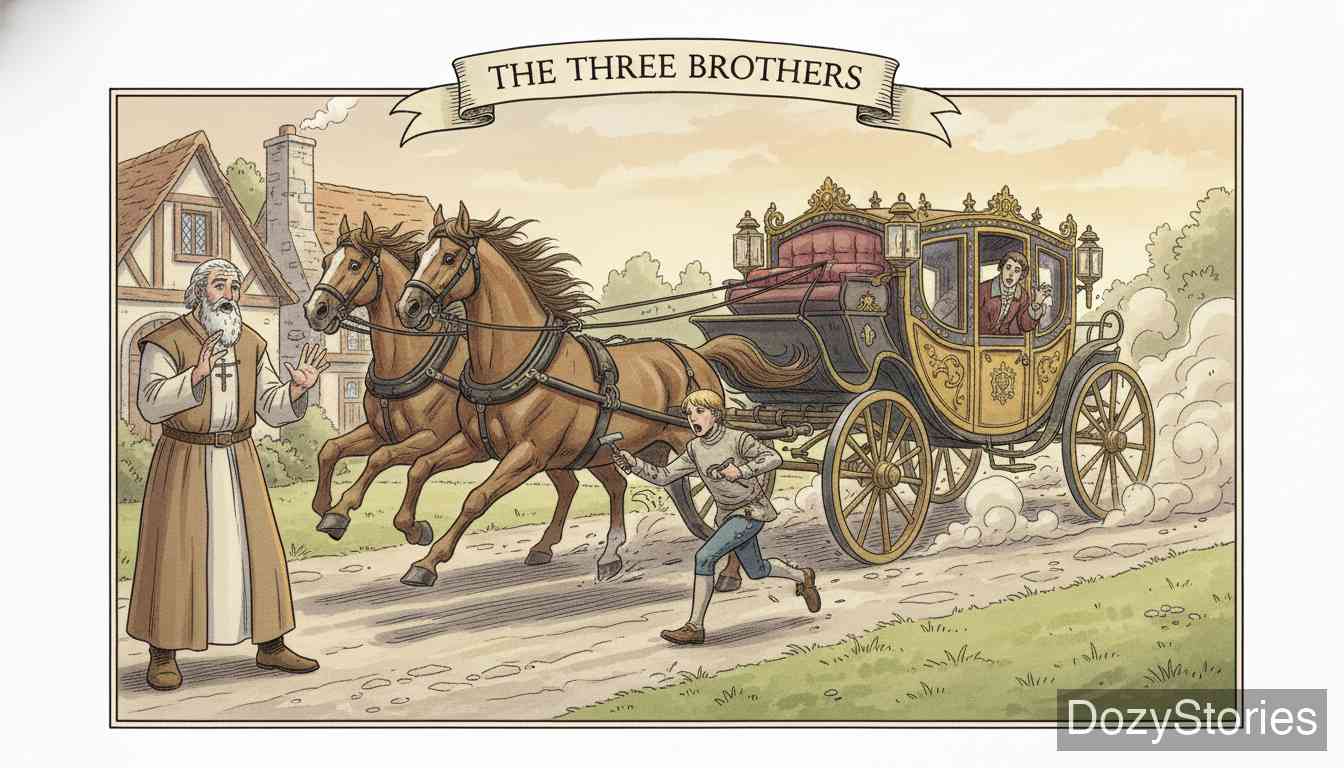
The horse was galloping fast, yet the blacksmith pulled off its four old shoes and nailed on four new ones.
那马跑得正欢,铁匠却卸下它的四只旧马掌,又钉上了四只新的。
A rich man of high rank in old Europe.
贵族。
Soon a nobleman rode by in a coach, rushing at great speed.
没过多久,一位贵族坐着马车飞驰而来。
Felt very deep sadness, especially after a death.
悲痛;哀伤。
The other two grieved so deeply that they too fell ill, and soon they followed him.
另外两个伤心太过,也跟着病倒,不久相继离世。
Feeling angry or sad because someone else has what you want.
嫉妒的;眼红的。
His brothers were not jealous, for they had agreed to the contest from the start.
两个哥哥并无怨言,因为打从一开始,他们就说好了这场比试。
Pulled back suddenly out of fear or pain.
退缩;畏缩。
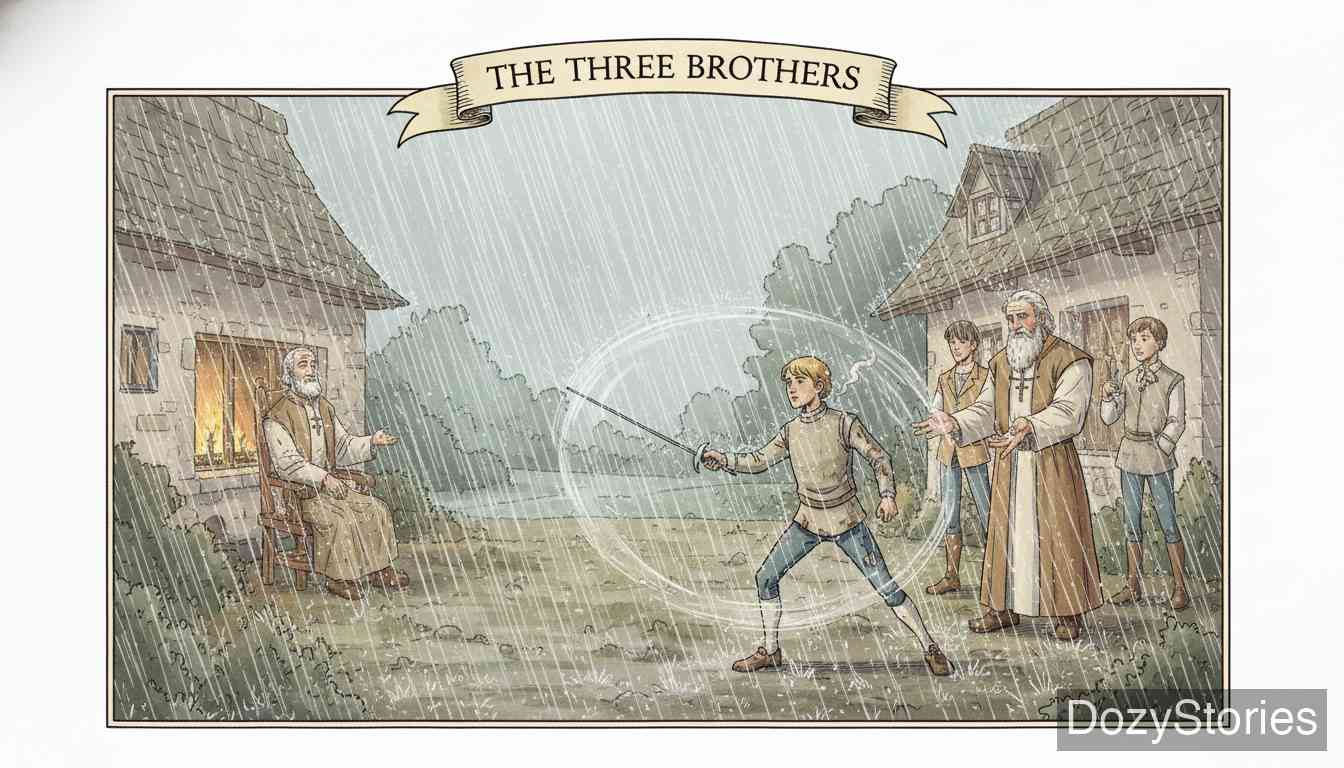
The swordsman was struck many times, but he never flinched.
学击剑的挨了不少打,可他从不退缩。
The feeling you get when something surprises you very much.
惊奇;惊叹。
His father stared in wonder.
父亲看得目瞪口呆。
Reading Together & Learning More
The Moral
When brothers stand together, they can cut through iron: each has his own gift, and none is less than the others. A house has only one owner, but the love between brothers cannot be measured, and a family that lives in peace is the greatest treasure of all.
Educational Value
This fable teaches two things: every person has his own strength, and hard practice can make a skill truly great; and a contest may have a winner, but family love has no loser — keeping the family together in peace is the real victory.
Tips for Parents
After reading, ask your child which of the three feats is the most amazing, and whether losing a contest would make them sad. You might also ask: what is worth the most at home — the house, or the time the family spends together?
Talk About It
- Of the three feats — shaving a running hare, shoeing a galloping horse, and staying dry with a sword — which is the hardest? Why does the father give the house to the youngest son?
- The swordsman takes many blows but never gives up. Why does learning a real skill often mean suffering first? Have you ever felt that way while learning to ride a bike or to write?
- The father loves all three sons the same, and that is why he cannot choose. Is his contest fair? If you were the father, what would you do?
- There is only one house and only one winner, yet no brother bears a grudge. What makes it hard to lose a contest without losing the friendship?
- The story ends with the three brothers resting in the same grave. Why do you think the author chose such an ending? If harmony at home is priceless, what does it mean in your daily life?